
OHIO | Alex's Journey to Supporting Pollinators and Healthy Crops
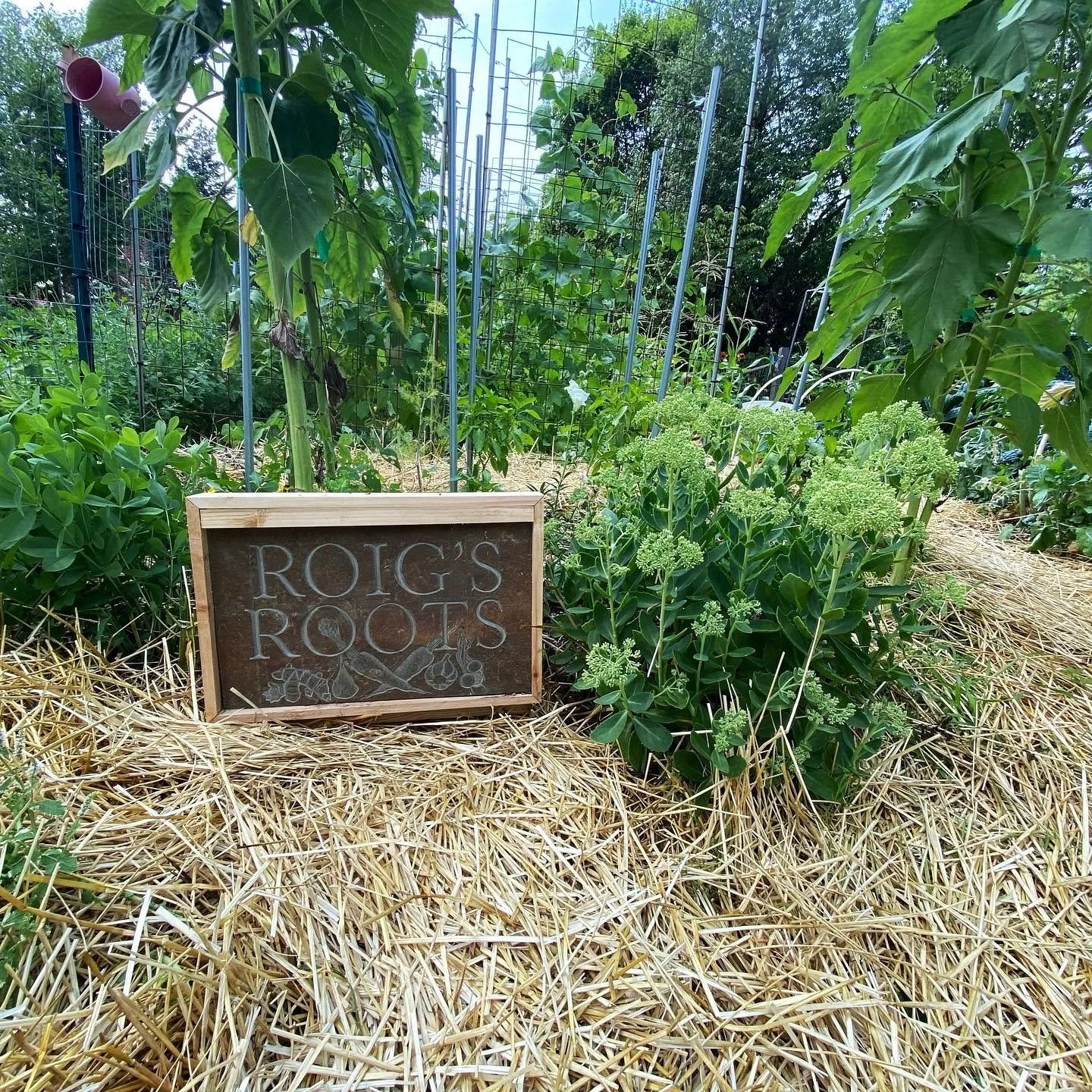
In a quiet corner of Ohio, something remarkable has been unfolding. Slowly, season after season, a pollinator garden has taken shape through patience, care, and the simple act of planting native milkweed.
Three years ago, this land received a small but powerful beginning: native milkweed seeds distributed through the Somo Monarks Milkweed Program Initiative. The program was created to reconnect people with native planting practices by providing free native milkweed seeds to anyone who signed up. Through this initiative, Somo Monarks works to identify nurseries and seed providers across the country, making native milkweed more accessible to communities nationwide.
Today, that same space has become a pollinator garden in motion.
A Garden with Roots in Community
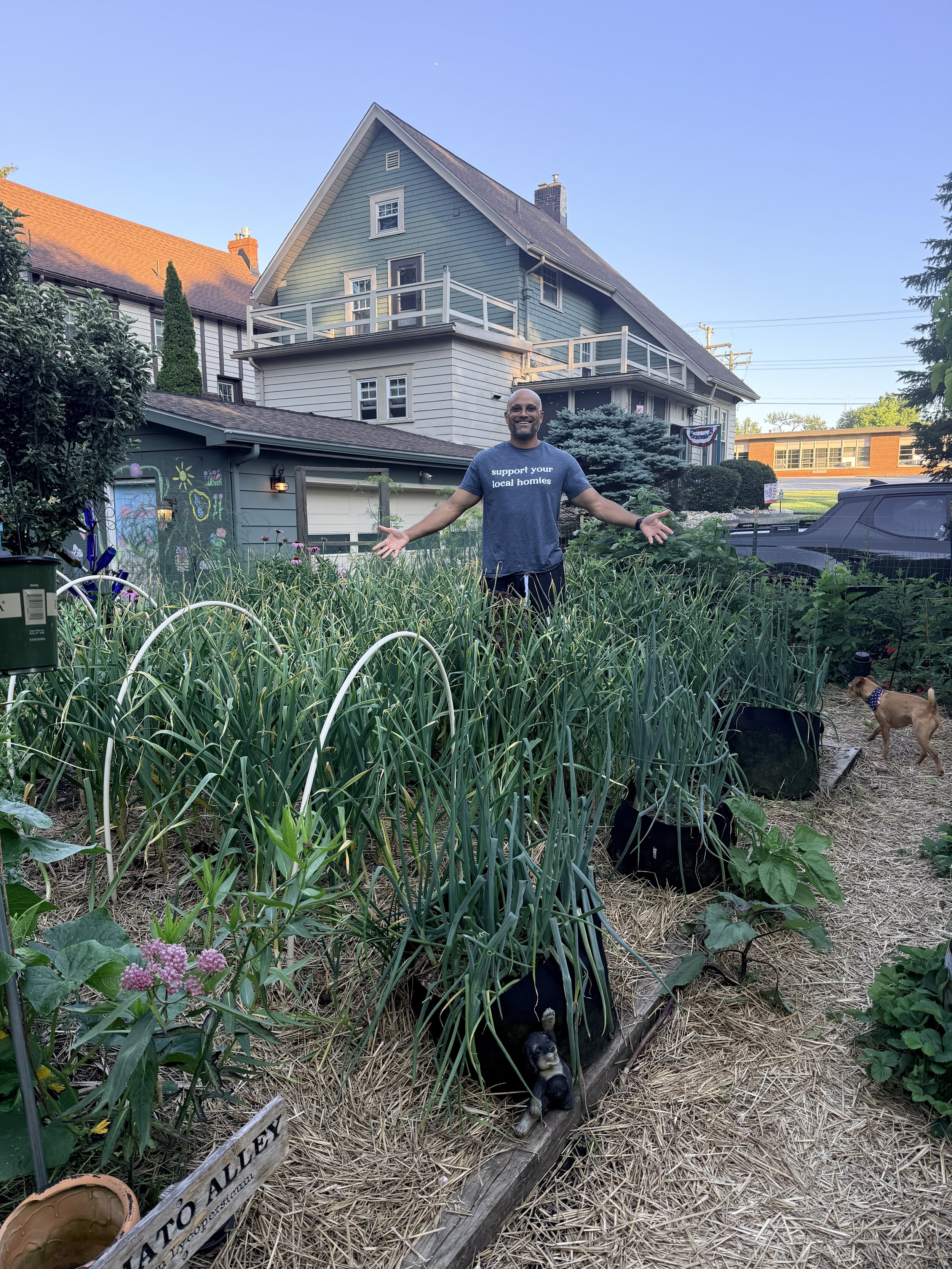
At the center of this transformation is Alex Roig, a gardener with more than 20 years of experience growing fruits, vegetables, and herbs. But Alex's relationship with the soil goes beyond cultivation. It is rooted in community, stewardship, and a deep commitment to supporting the natural world.
During the height of the 2020 pandemic, Alex joined Fathers Love Fathers Heal, a weekly virtual gathering where fathers came together to share experiences, encourage one another, and build meaningful connections during an unprecedented time.
It was through this community that Alex learned about the Somo Monarks Native Milkweed Seed Program, an initiative that purchases native milkweed seeds from seed providers across the United States and distributes them free of charge to help individuals create habitat for monarch butterflies and other pollinators.
Inspired to make a difference, Alex transformed a section of his garden that had once been overtaken by invasive mint. In place of the aggressive spread, he planted native milkweed, giving the space a new purpose.
Today, that once-overgrown patch has become a thriving pollinator habitat.
Why Milkweed Matters
Milkweed is far more than a beautiful native wildflower. It is essential to the survival of the monarch butterfly.
Monarch butterflies lay their eggs exclusively on milkweed, and once the eggs hatch, the caterpillars feed only on its leaves. Without milkweed, monarchs cannot complete their life cycle.
Over the past several decades, the widespread loss of native milkweed due to development, agriculture, and herbicide use has contributed to significant declines in monarch populations across North America.
Every milkweed plant restored to the landscape helps create vital habitat for one of the world's most recognizable migrating butterflies. Gardens like Alex's demonstrate how one person's commitment can contribute to a much larger conservation effort.
Conversation with Alex Roig
TPN: Tell us a little about yourself.
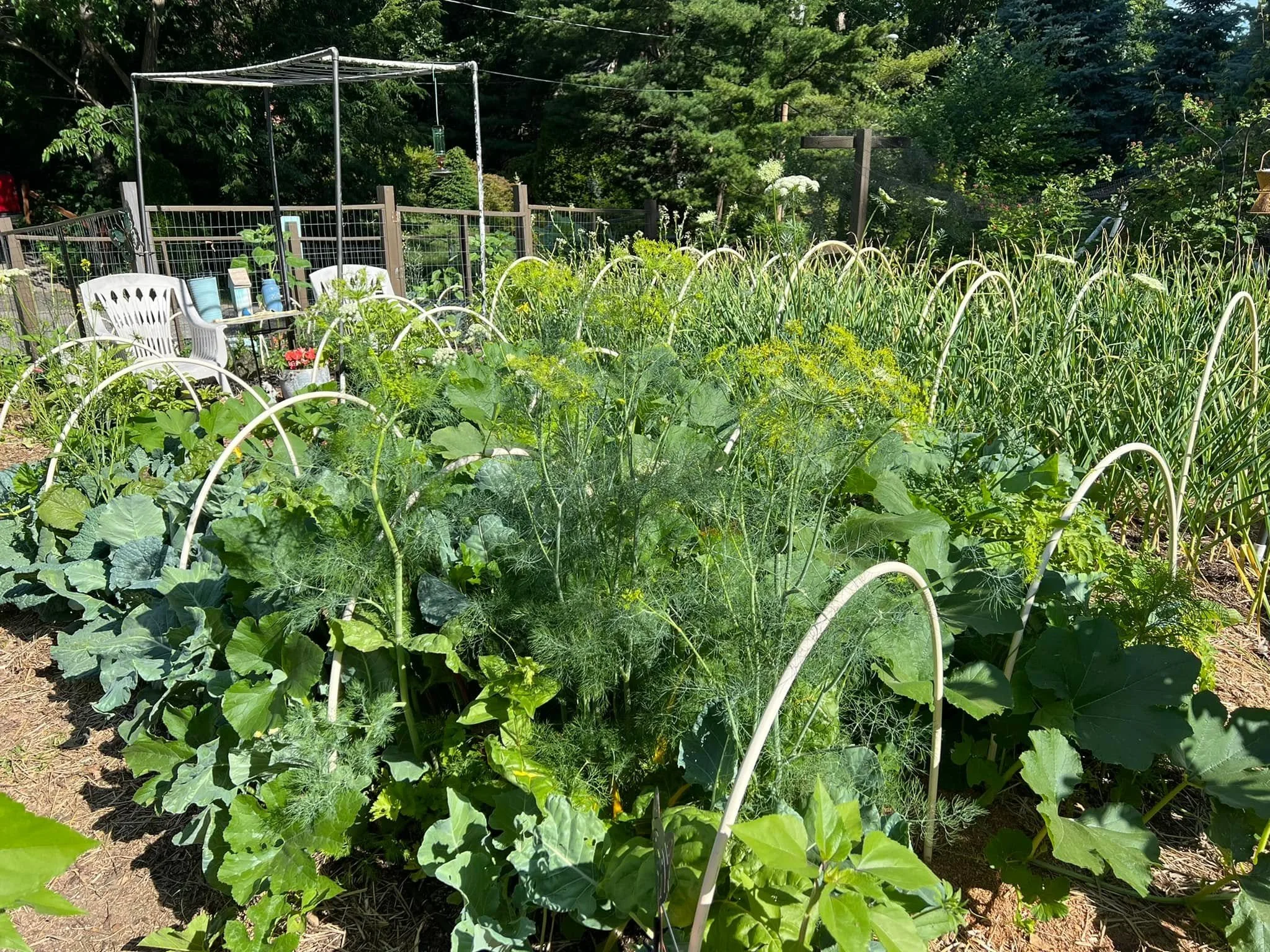
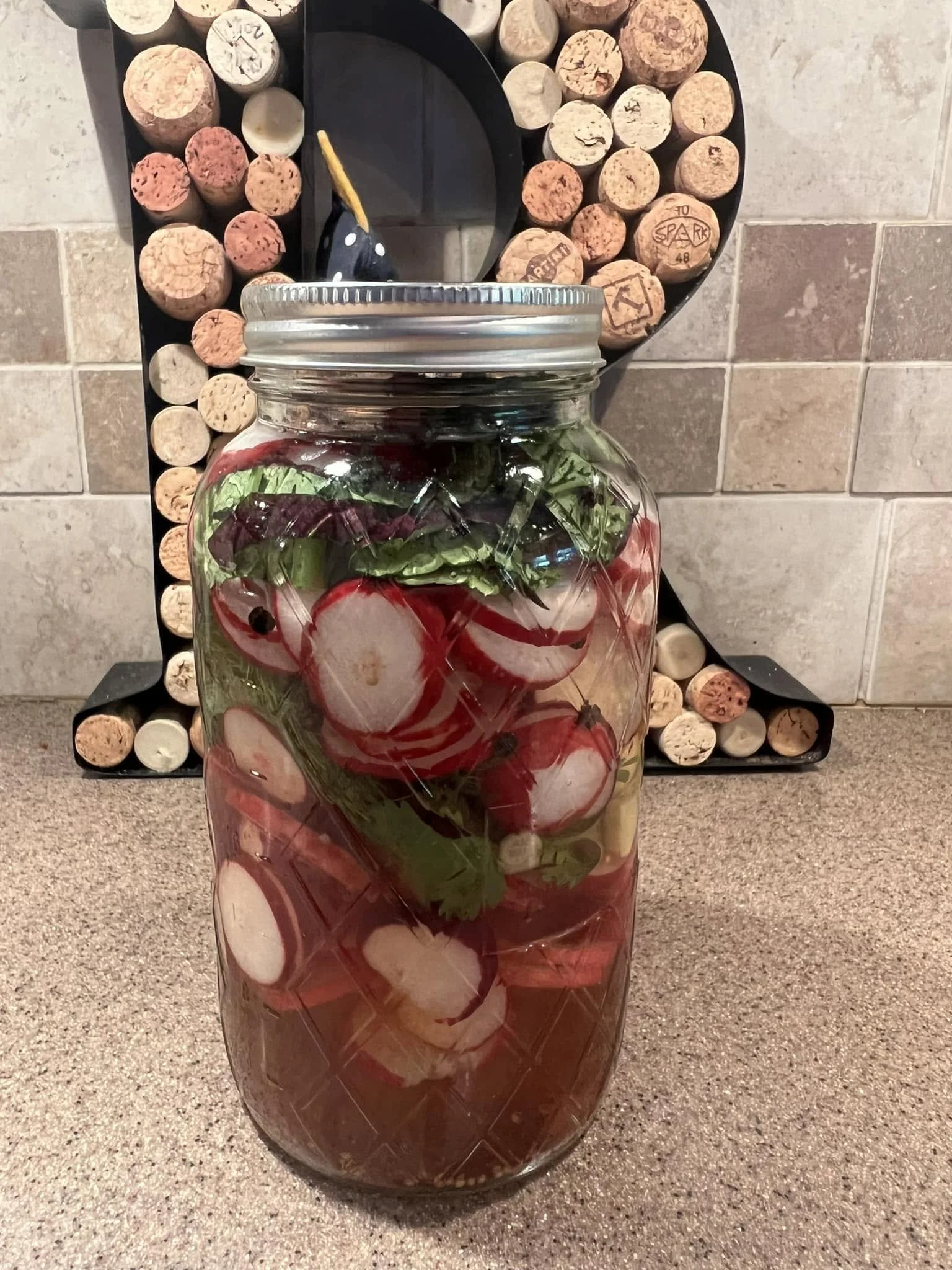
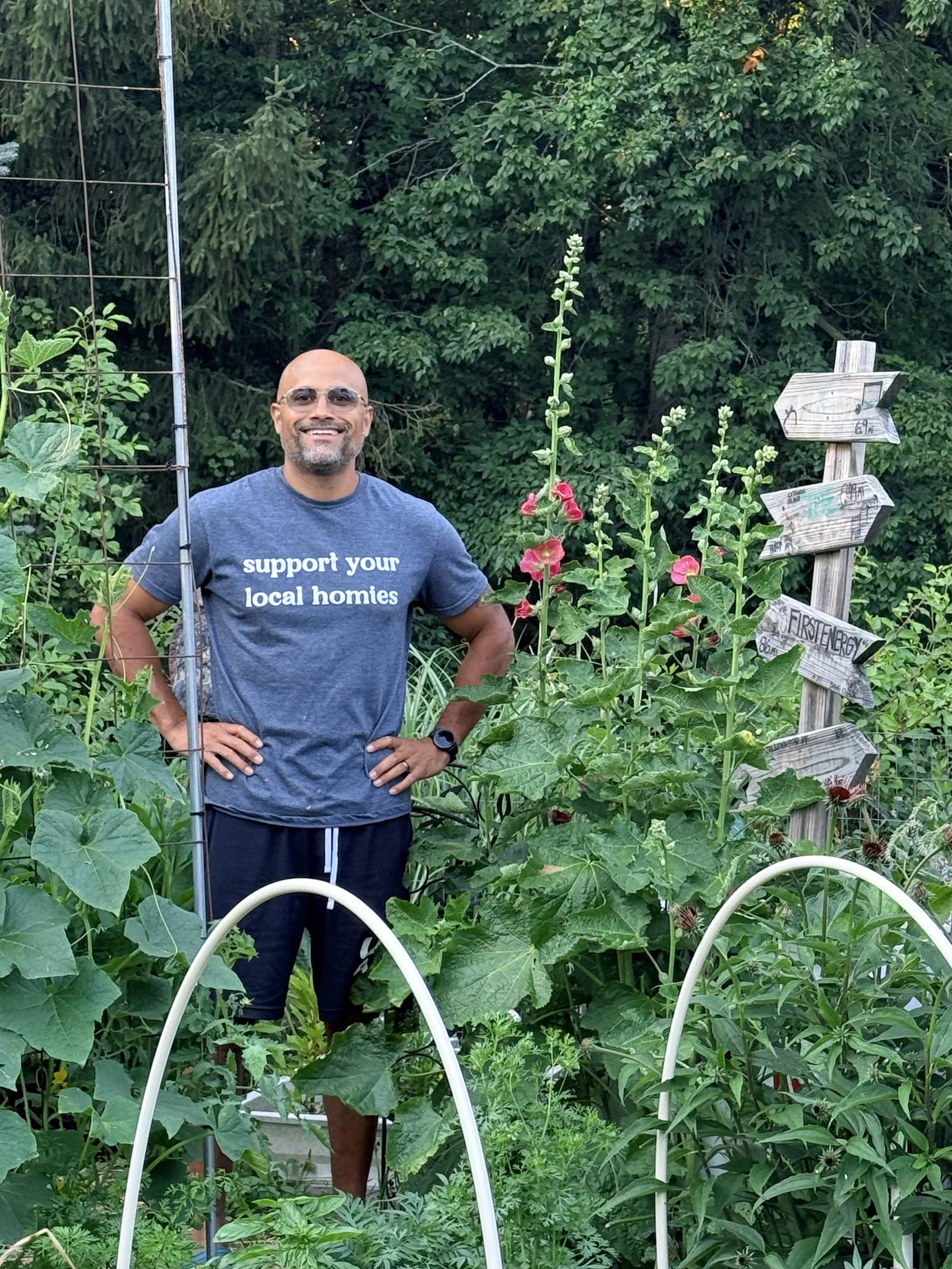
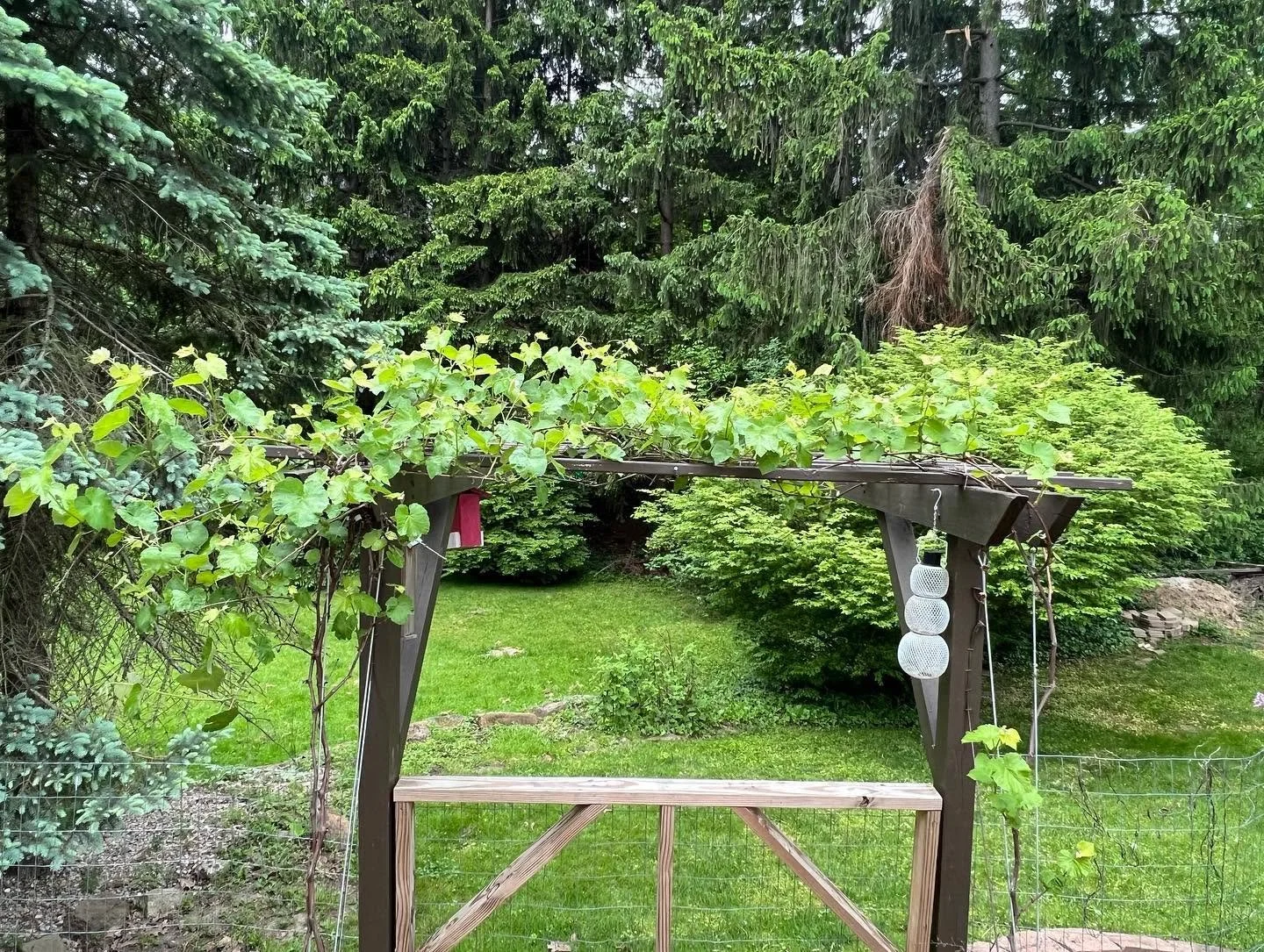
Alex: My mother was a gardener. She gardened my entire life, so I guess I got the bug from her. I didn’t get back into gardening until around 2008. I had a townhouse and a small garden on my deck. I started watching tons of YouTube videos, falling in love with gardening again. When I moved to Ohio and was house shopping, the main thing I was looking for was a south facing yard that I can build a garden. Every year, my garden grew bigger and bigger, and I learned more and more. In the beginning, I messed up a ton and wasted many seasons of growing, but that’s the journey, I guess. Now I’ve built an urban food forest that produces a massive amount of food. If you drive by quickly, it looks like a messy yard that’s not taken care of, but if you slow down and take a look, you’ll see a beautiful garden that has lots of wildlife and produces all my food for the summer, and I’m able to can a lot of it so I can enjoy it throughout the year.
TPN: What is your favorite farm to table meal that you've prepared using ingredients from your garden, and what makes it special?
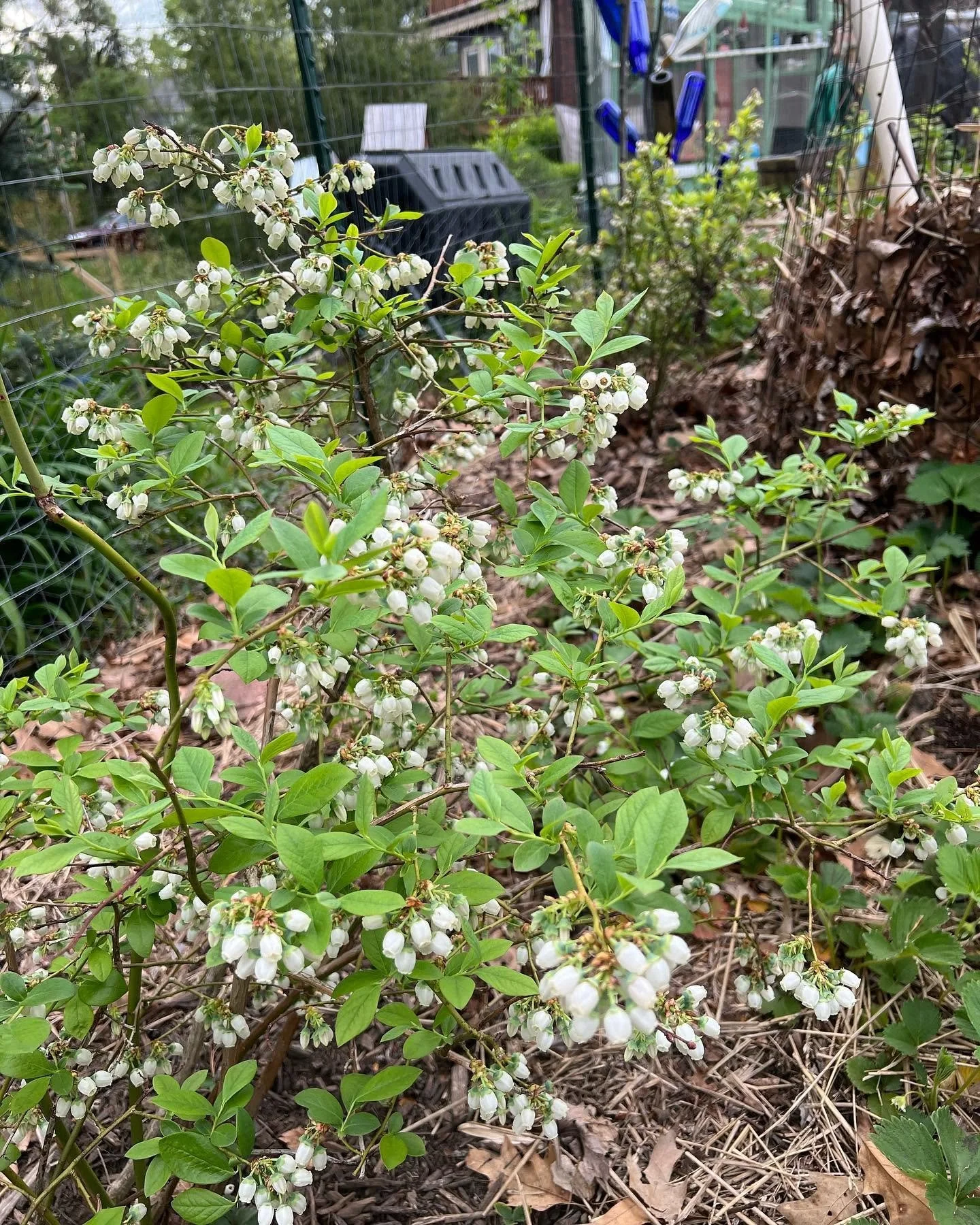
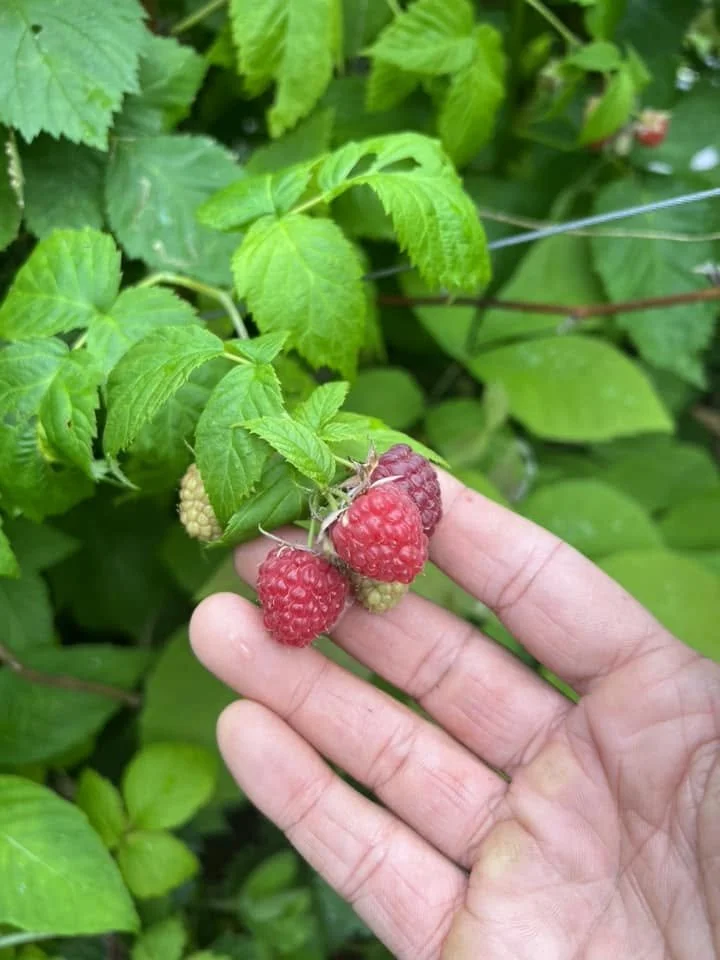
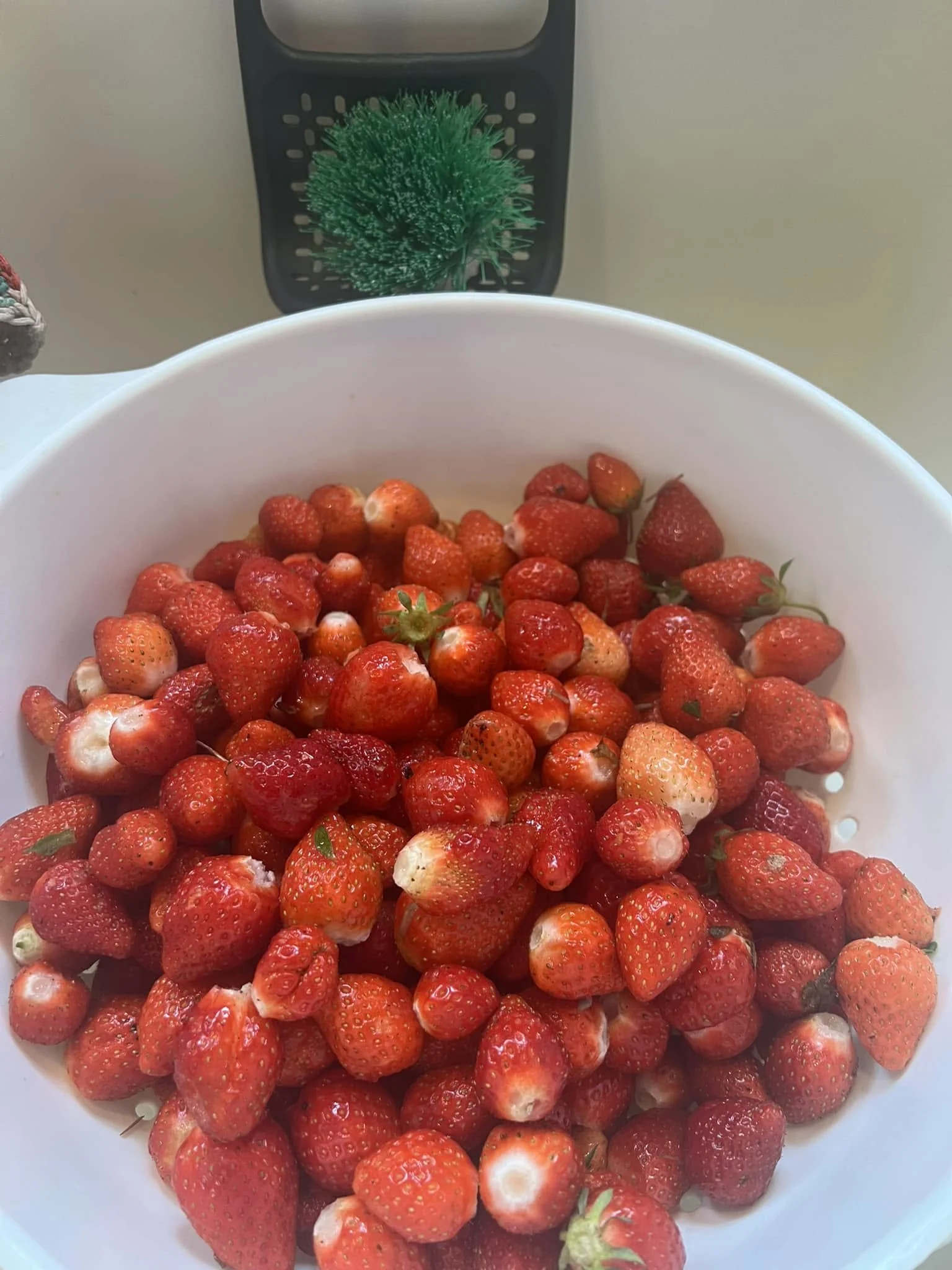
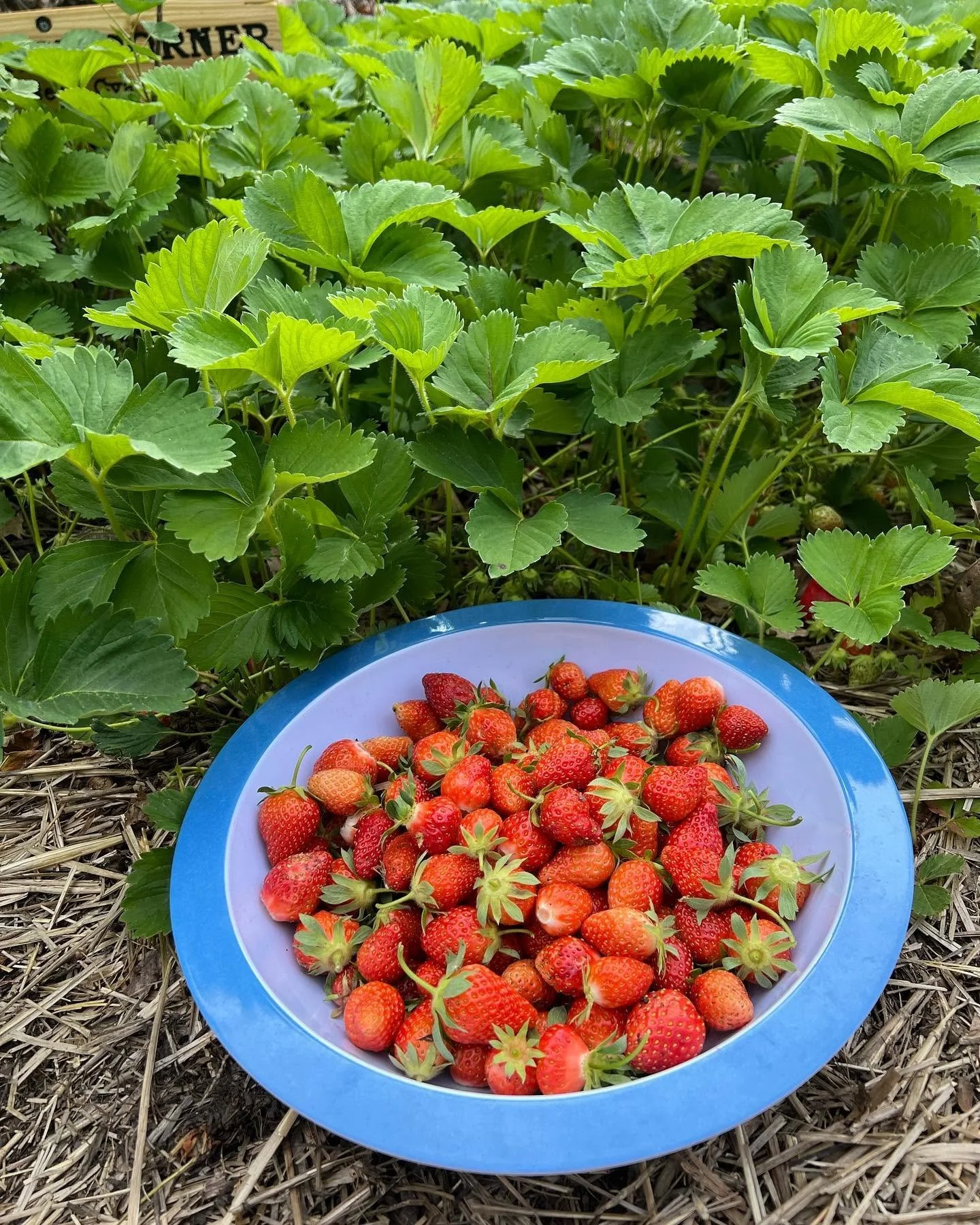
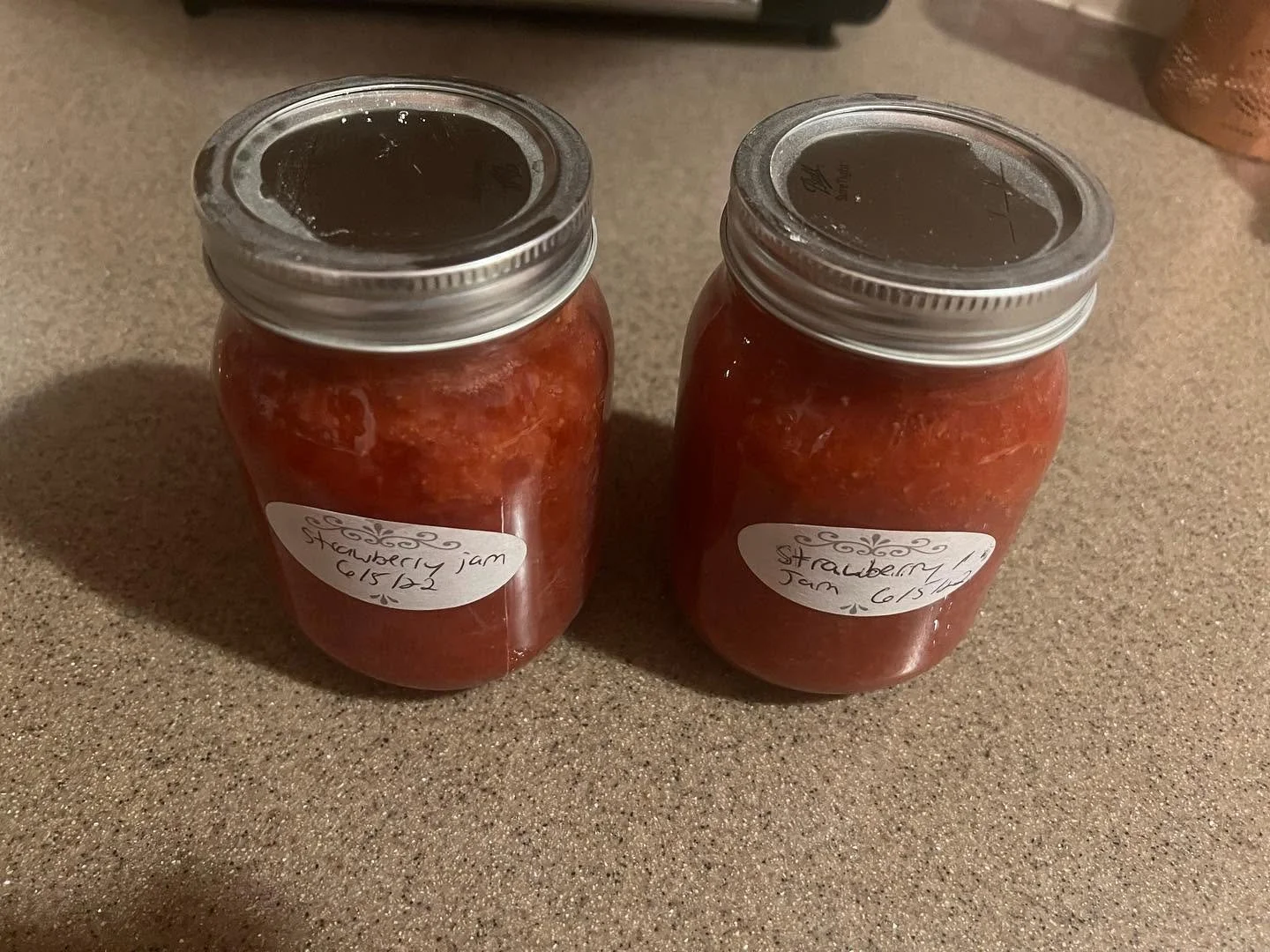
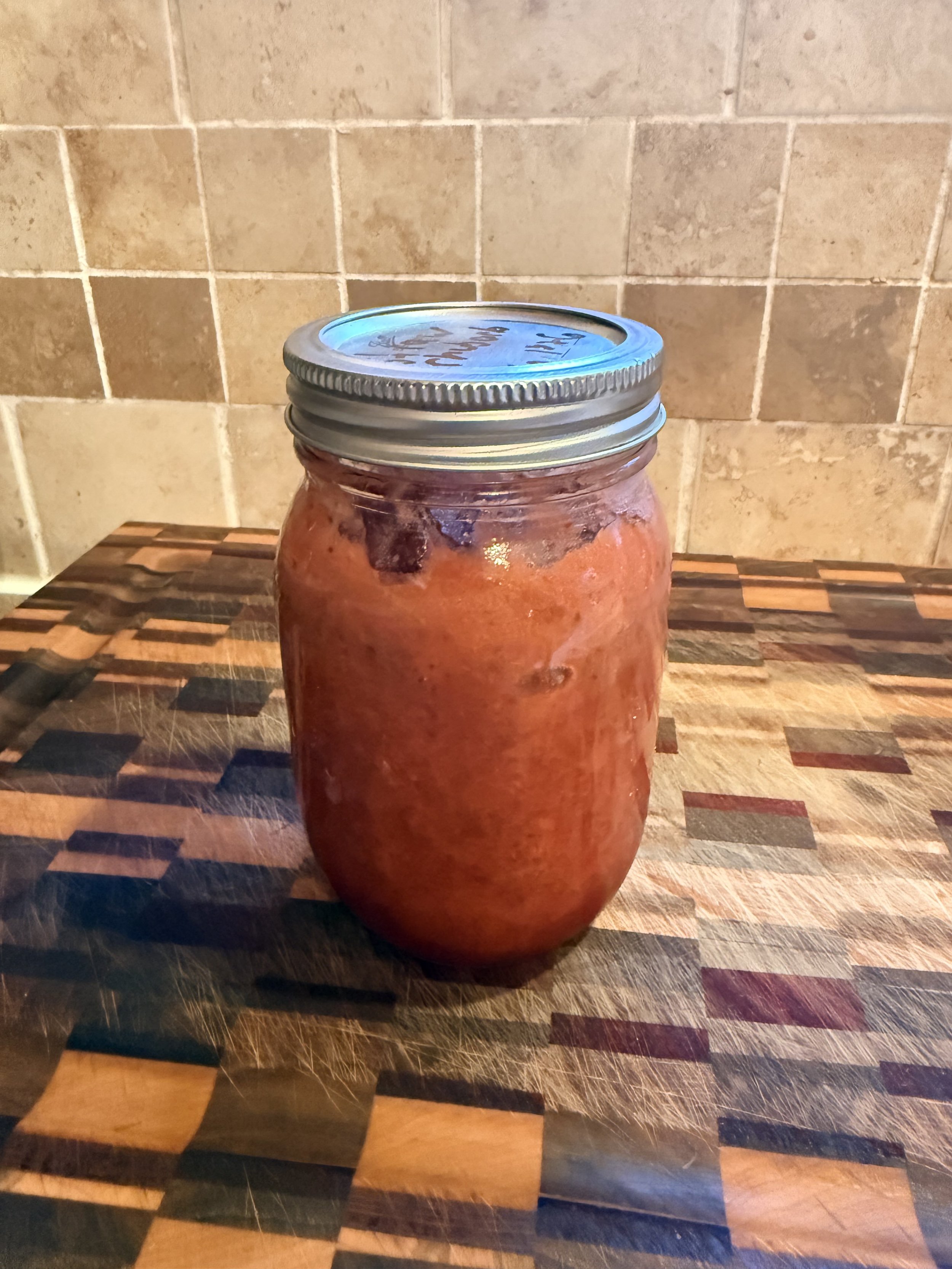
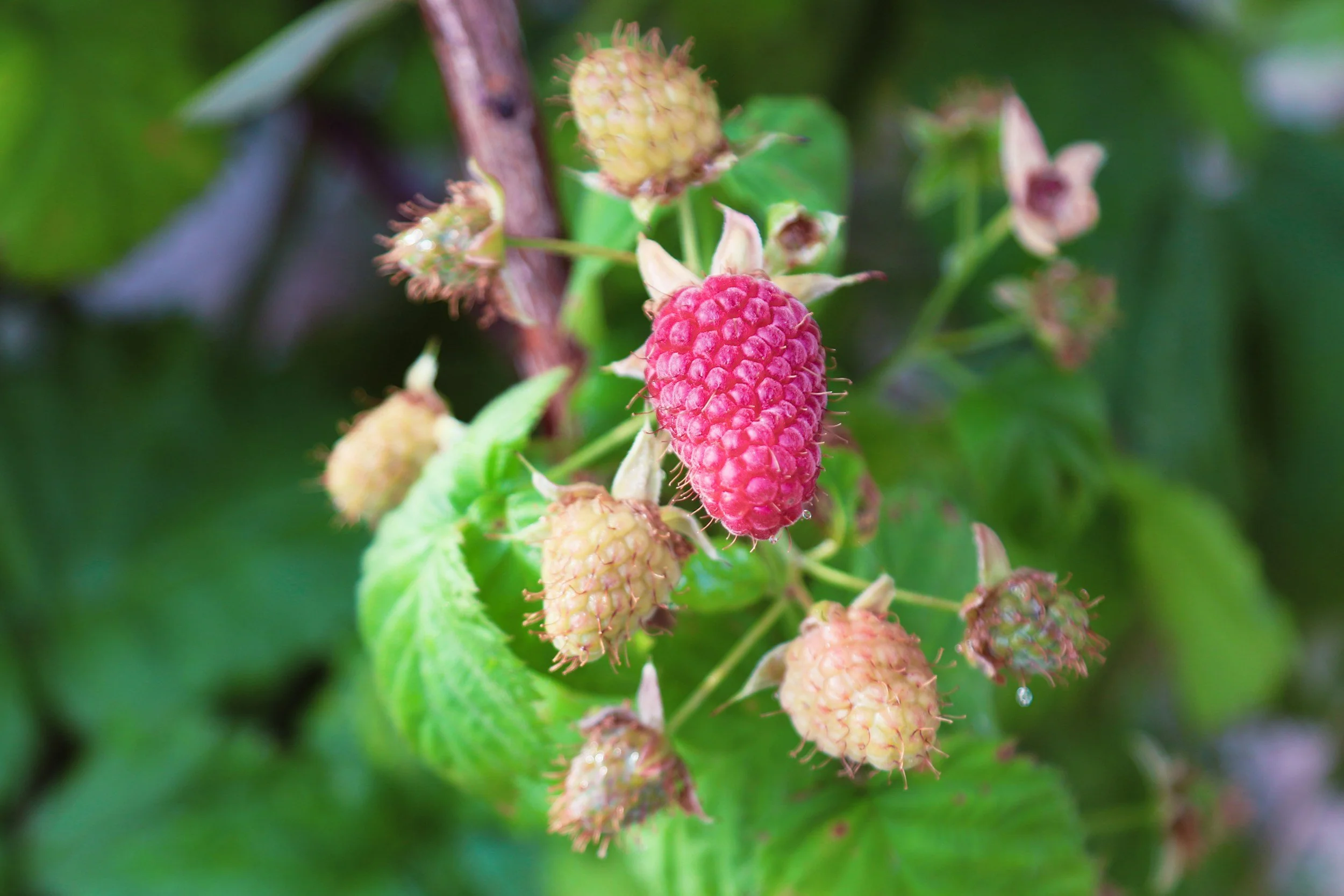
Alex: There’s so many meals. Every day, for my lunch, I’m able to pick fresh salad ingredients that I get to enjoy. My favorite food from my garden is my fruit. I eat a little fresh, but I mainly make jam from all of my fruit. It’s amazing. I’m able to can enough where I almost have enough jam for the entire year. It’s my favorite thing from the garden. I use that jam for my Greek yogurt for my lunch every day. It’s the best.
TPN: What pollinators have become regular visitors to your garden over the years, and have you noticed any changes as your garden has matured?
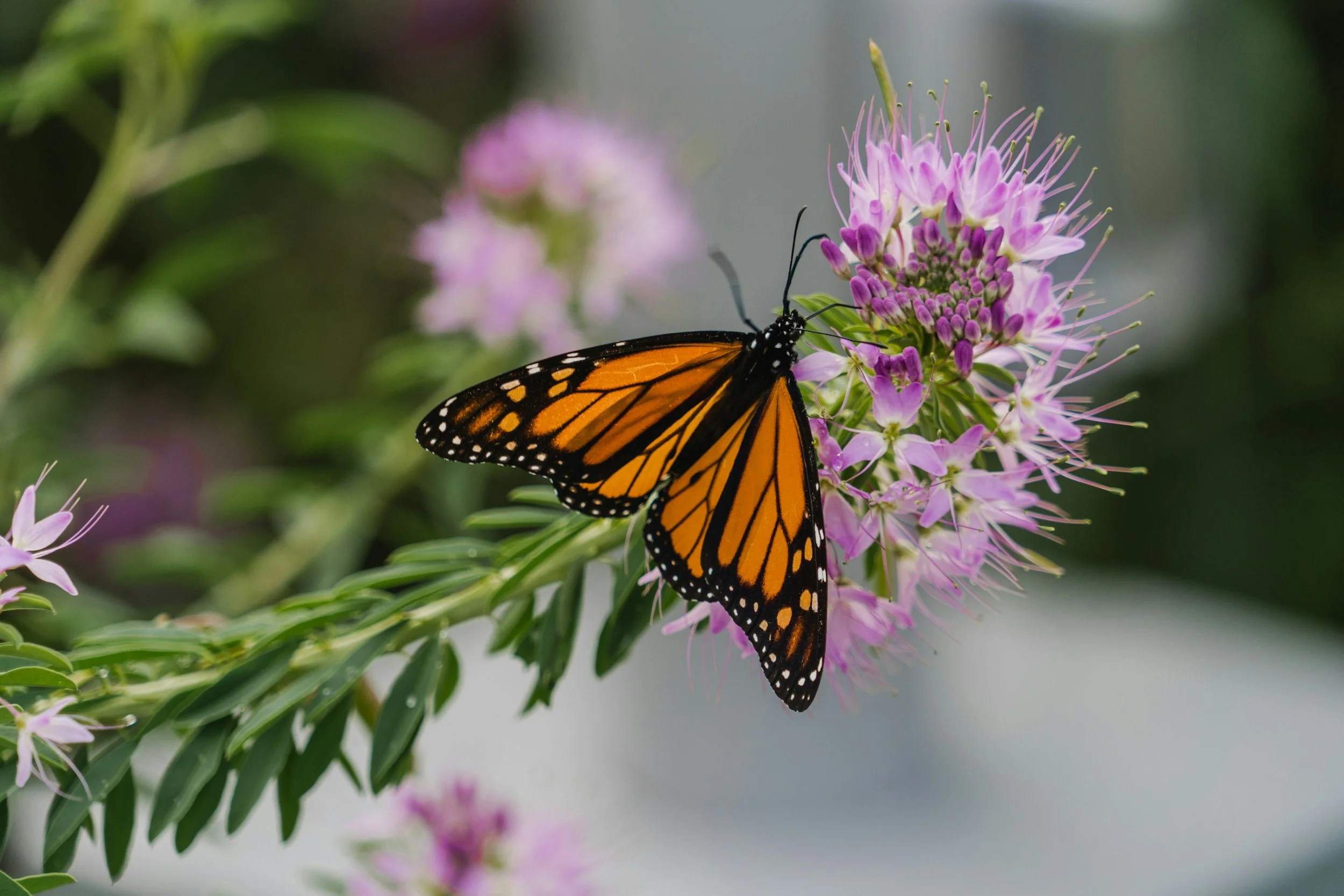
Alex: There are so many pollinators that come to my garden. Bees, of course, but also I’m starting to see monarch butterflies because of my mature milkweed. I also plant a lot of pollinator-friendly annual plants that attract hummingbirds, ladybugs, bees, and so many other wildlife.
TPN: Over your 20 plus years of gardening, what has been your favorite crop or seasonal plant to grow, and why does it stand out?
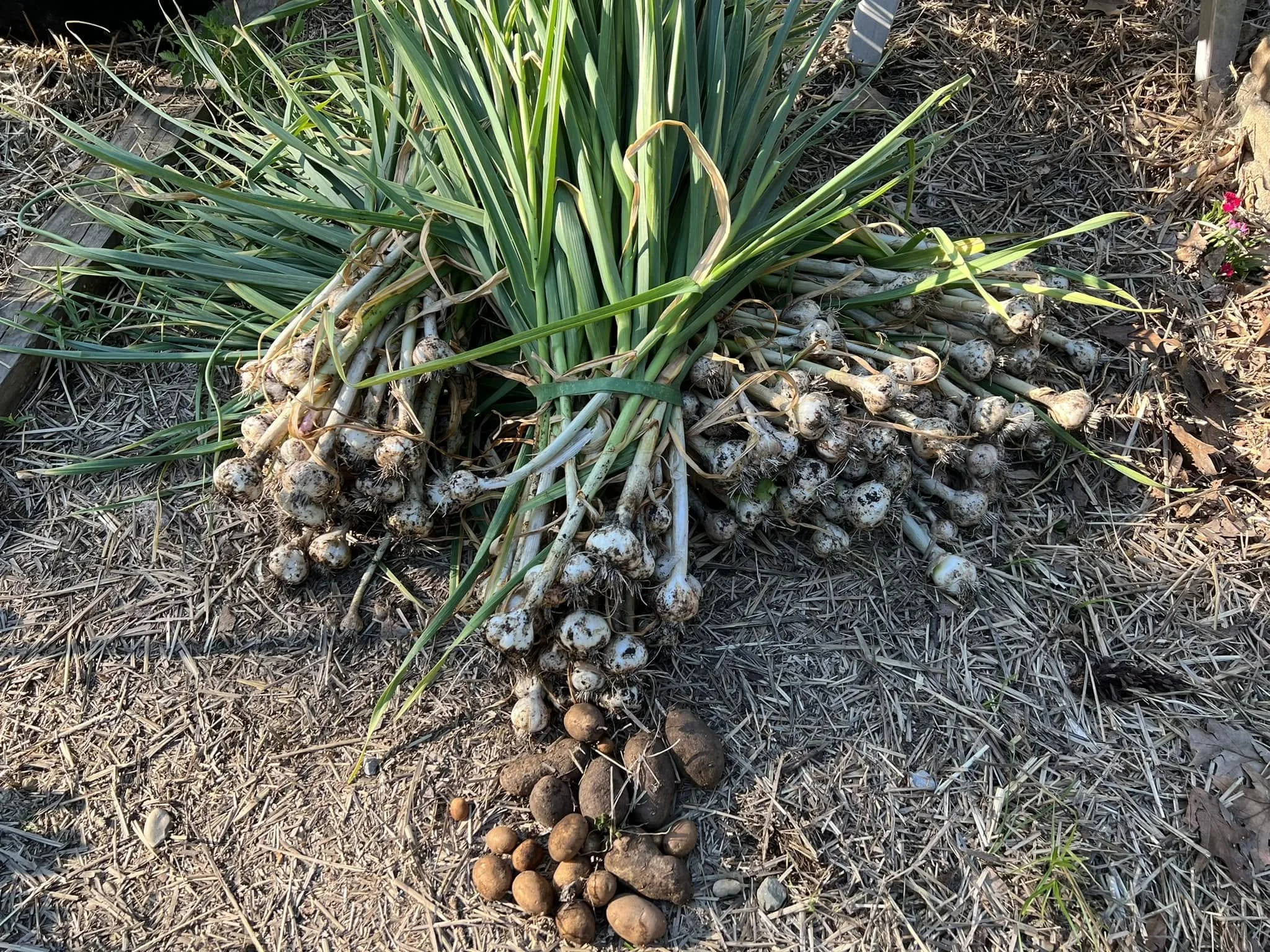
Alex: I love everything I grow. I’ve become fully self sufficient with growing garlic. I haven’t bought garlic in over a decade. I use my best garlic bulbs to plant my next year harvest and have enough for an entire year.
TPN: How important is it for your children and future generations to know how to grow their own food and care for the environment?
Alex: I try to get my girls involved, but they aren’t interested, but I’m still showing them how to garden. Hopefully, as they mature and get older, they will appreciate gardening and remember what I did, and they can replicate it. I think all schools should have a mandatory gardening class, so kids know where their food comes from. I feel everyone should have a garden instead of grass. The government should incentivize people to grow their own food instead of grass. We should have free local gardening classes and take abandoned pieces of land and turn them into urban gardens. That would be my dream job. Take pieces of land in my city and turn them into beautiful, productive gardens. These could be in different parts of the city and give all the produce away. Wouldn’t that be nice.
TPN: You've spent years growing fruits, vegetables, herbs, and flowers. Be honest... what's the one plant that still manages to humble you every single season?
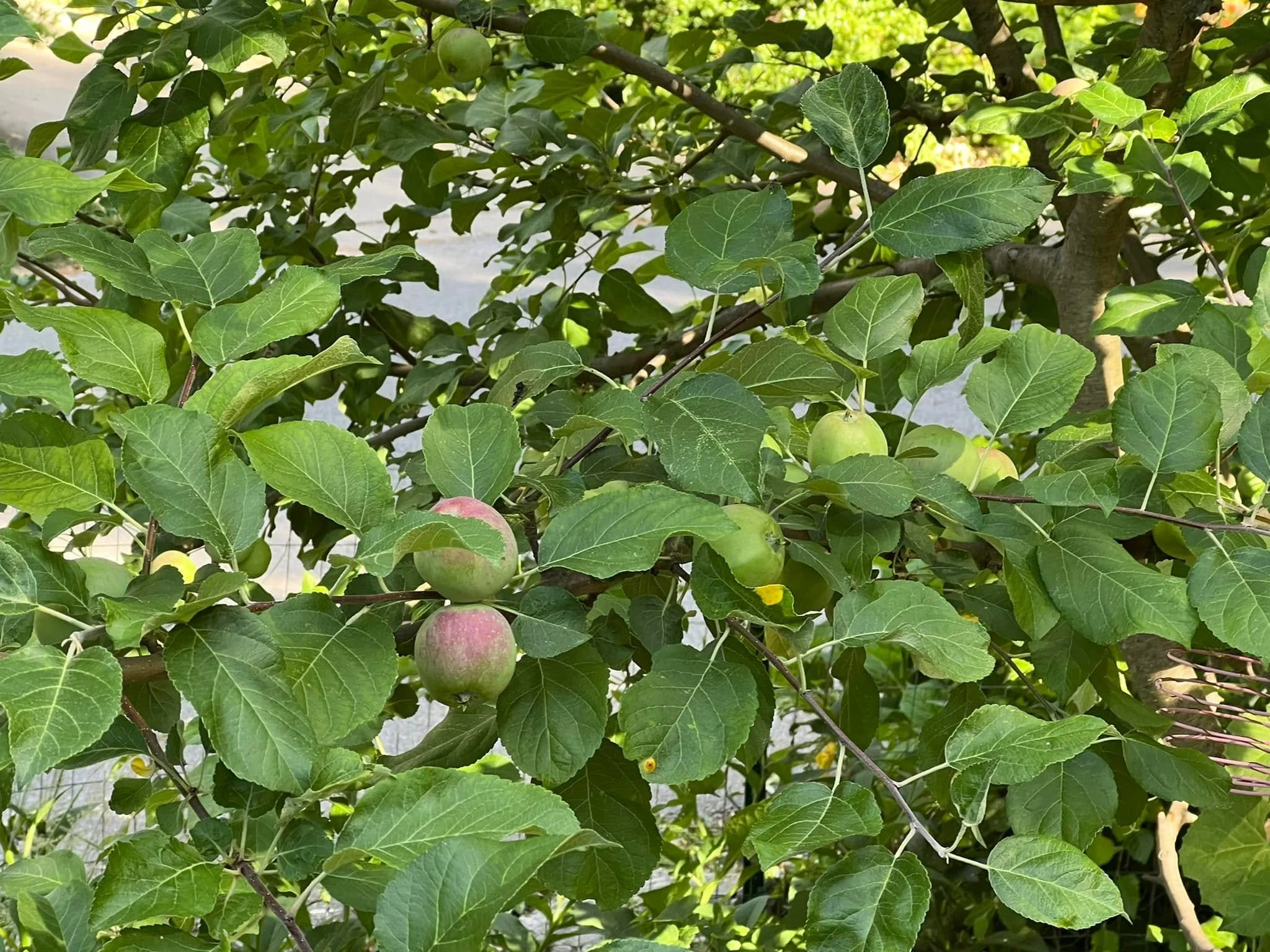
Alex: Fruit trees. Every year, fruit trees make me mad. We always get an early spring for a few weeks, which tricks the trees into thinking spring has arrived. Then winter comes roaring back and kills all the flowers, and my harvest is small. I keep at it, though. Some years I get some good harvests, but mostly my fruit trees are a bust.
TPN: If you were a pollinator, which one would you be and why?
Alex: I feel like I would be a bird. I get to build my own nest, fly around and eat all day. Birds are also pollinators by spreading seeds around the garden.
TPN: Is there anything else you'd like us to know?
Alex: I think there needs to be a bigger push in government to get people to turn their grass into gardens. I think grass is such a waste of resources and space. It has its place, but everyone has grass, and not enough people have gardens.
Growth Beyond the Garden
Alex's work does not stop at the edge of the garden.
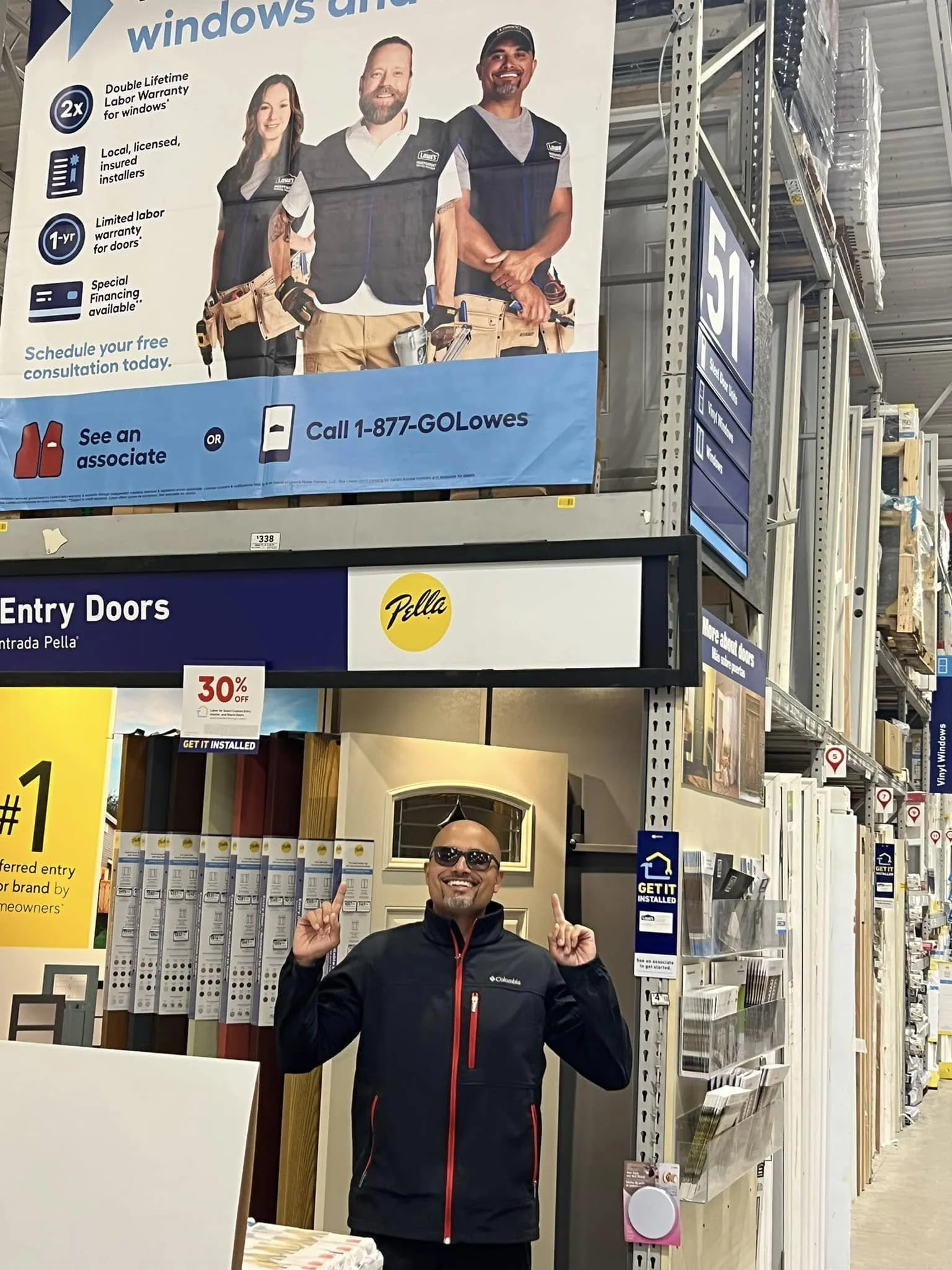
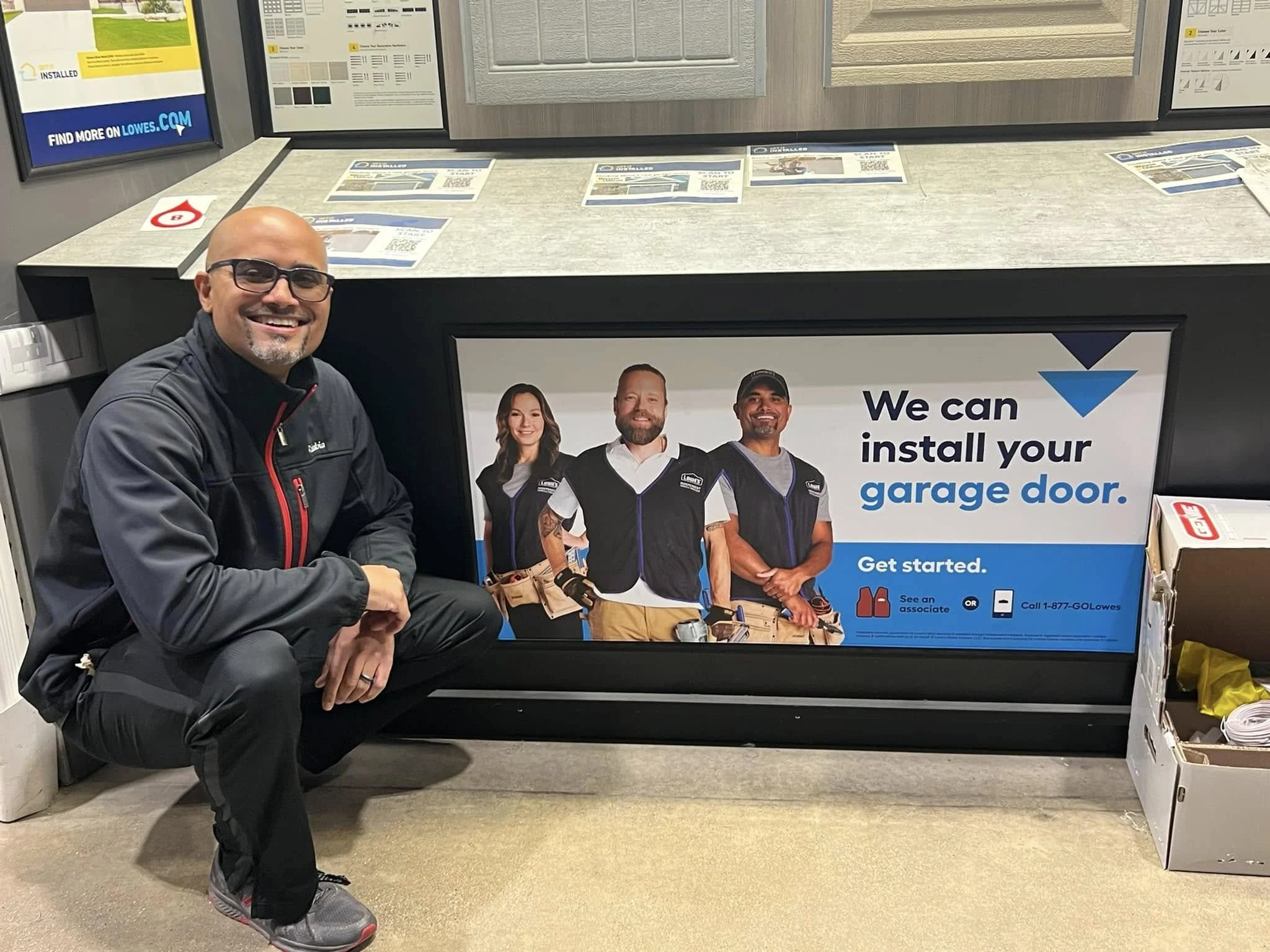
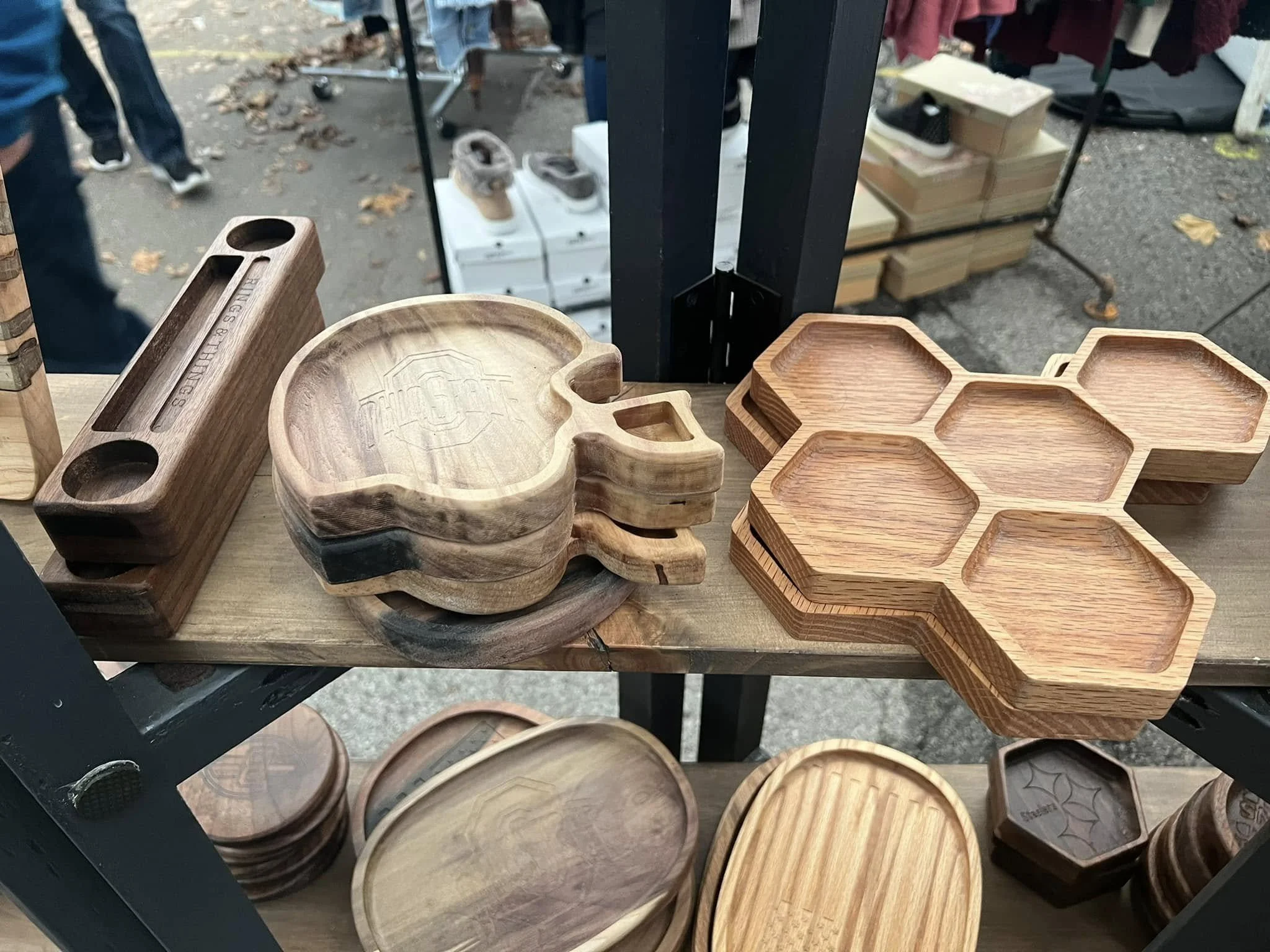
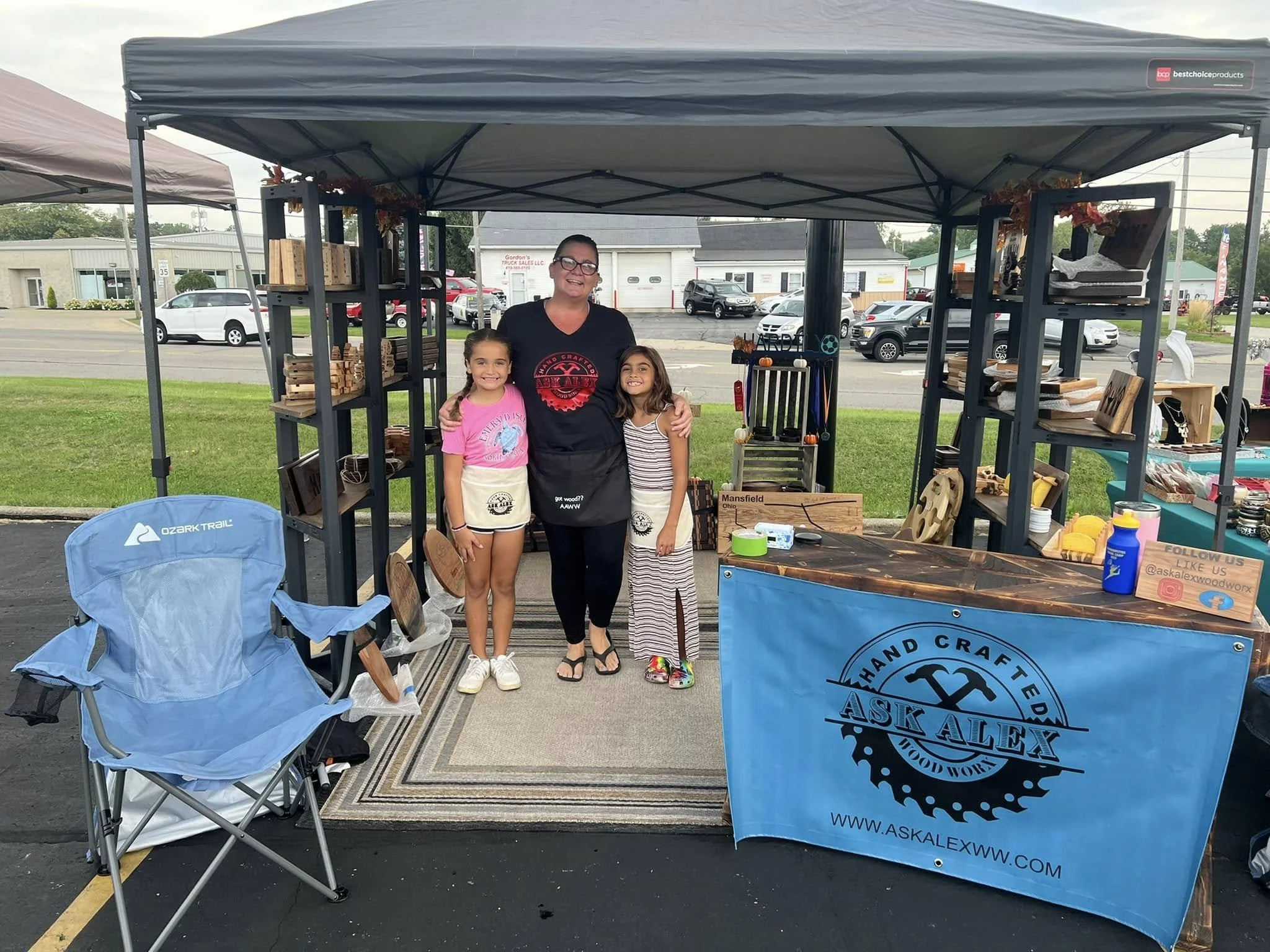
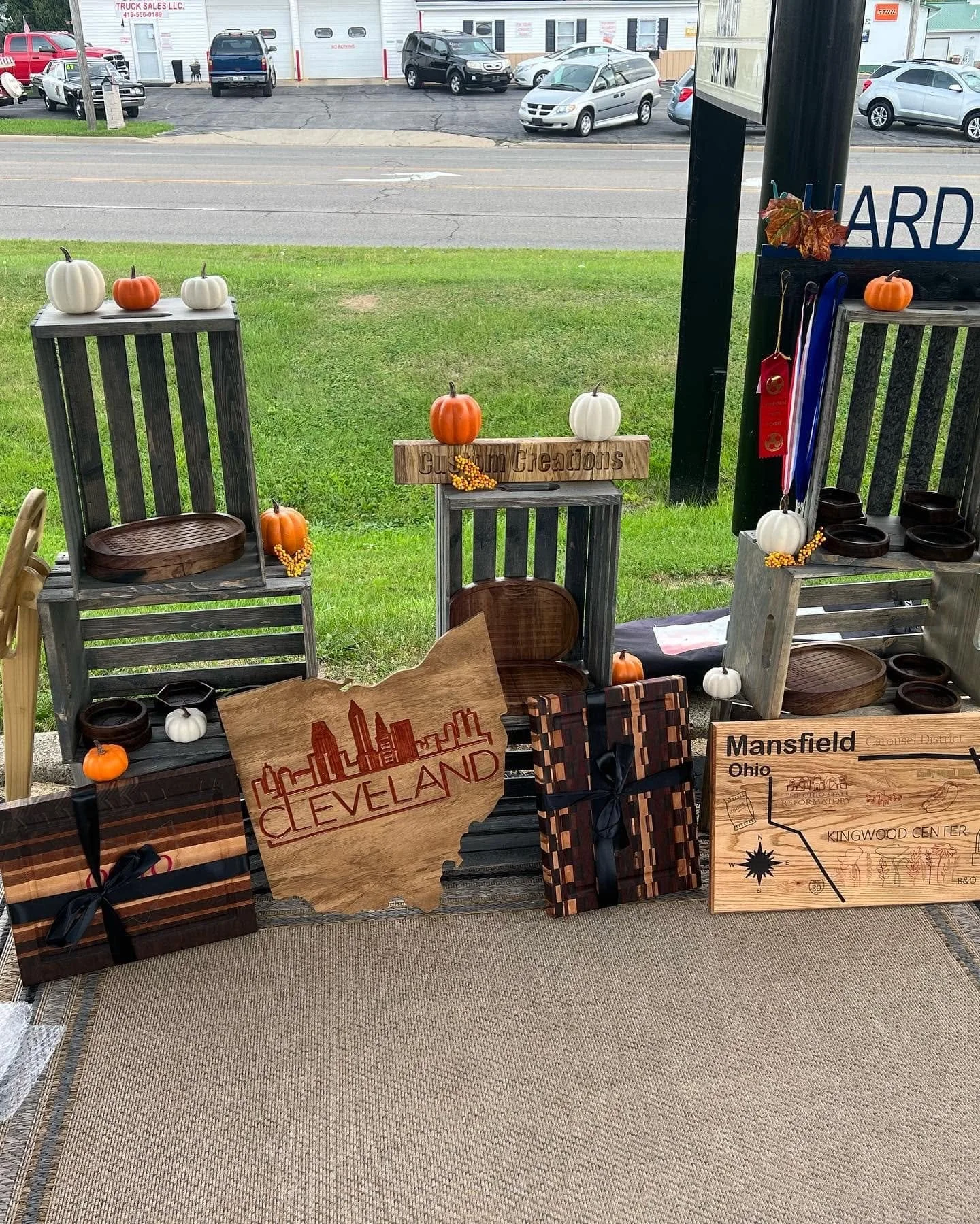
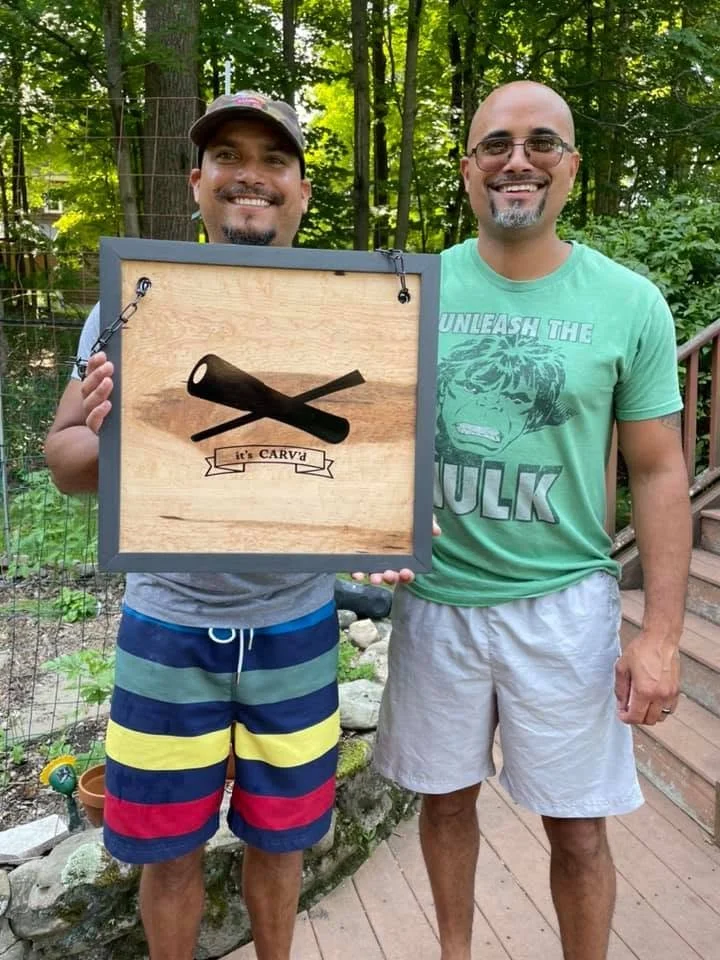
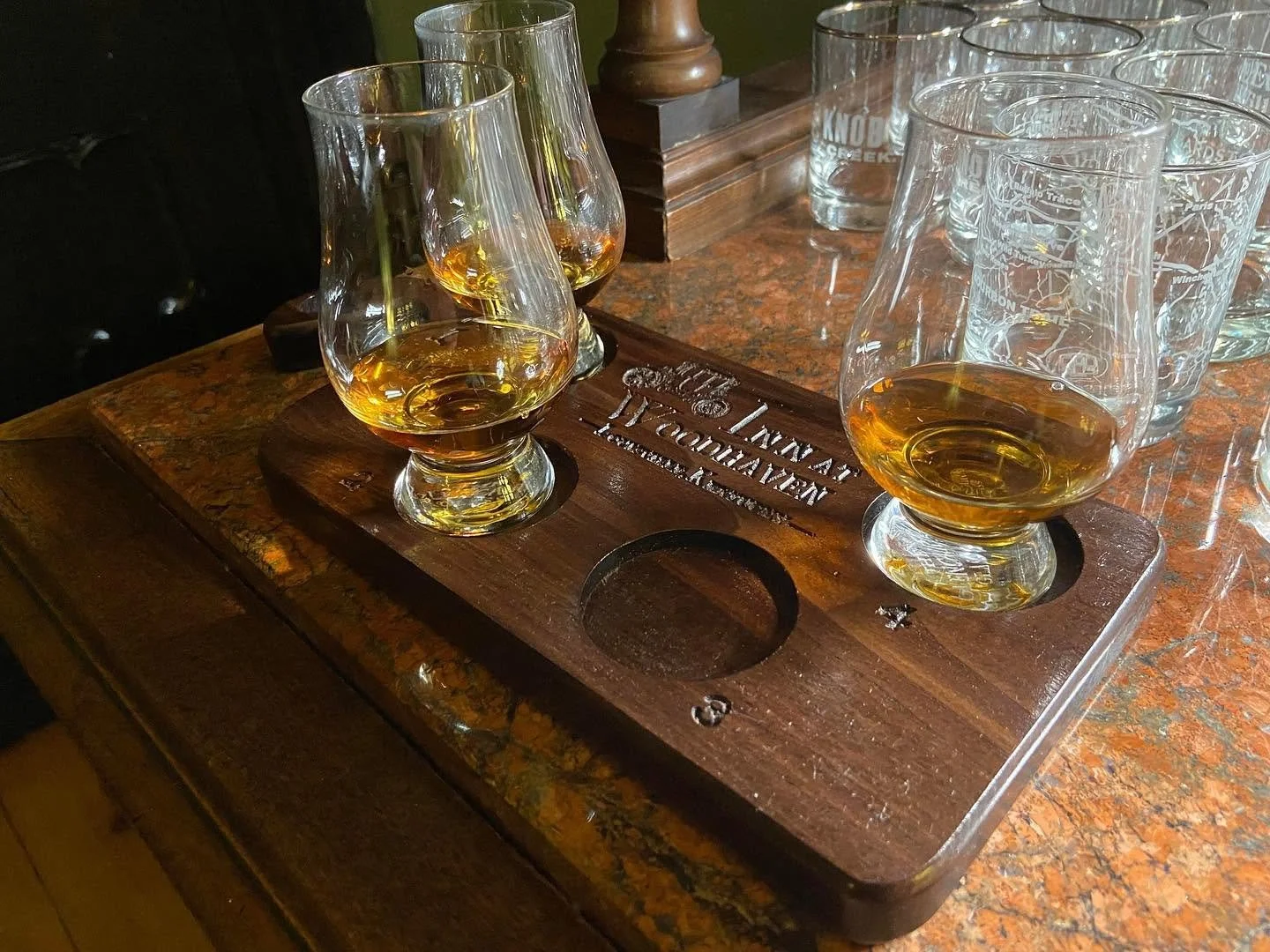
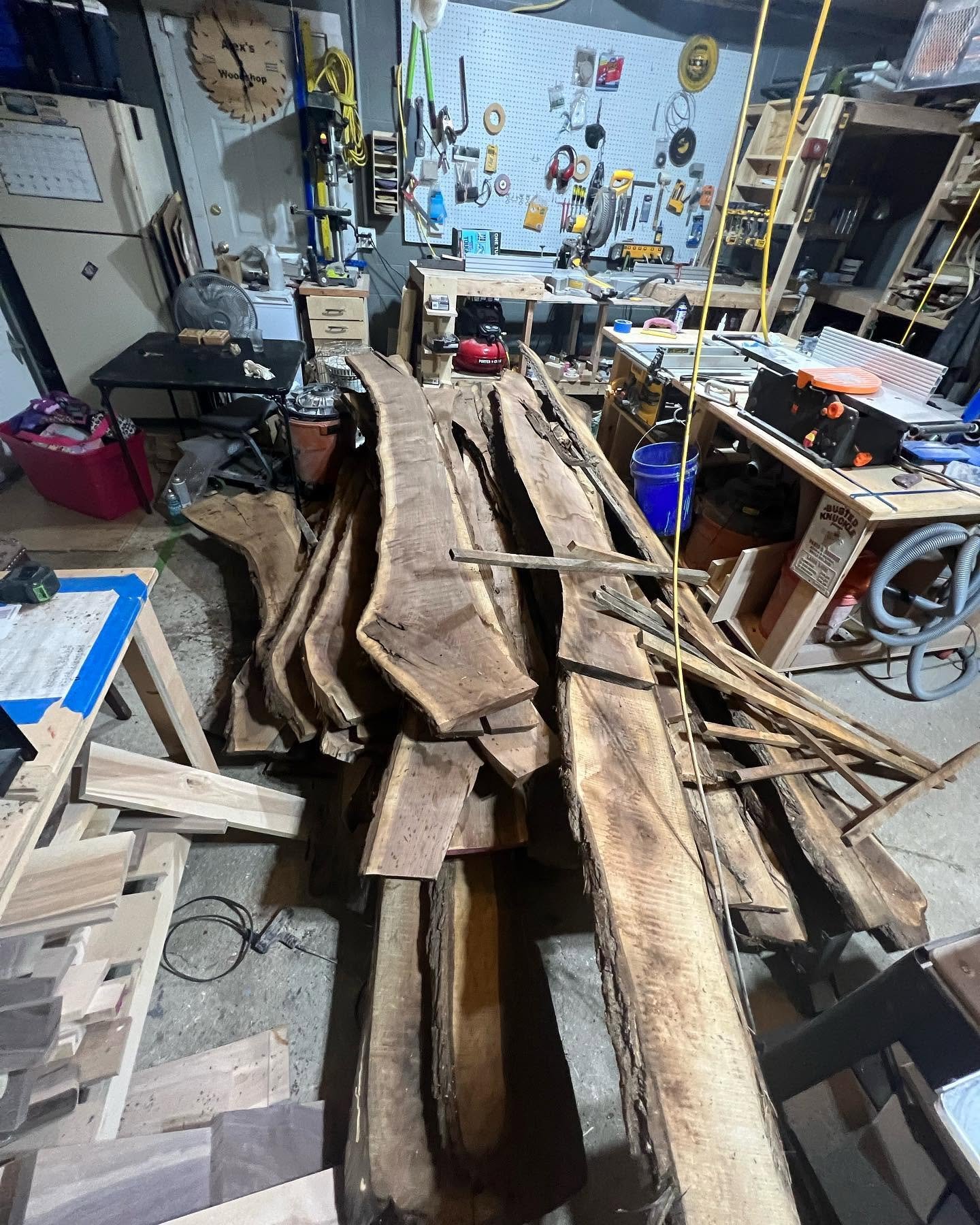
A husband and father of two, he also channels his creativity through woodworking as the founder of Ask Alex Woodworx, a business rooted in craftsmanship and design. His journey as a maker and grower has also led him into unexpected spaces, including modeling for national brands such as Lowe's, one of the largest home improvements retailers in the world.
Alex also teaches virtual gardening classes with We Grow NYC, a nonprofit organization dedicated to helping New Yorkers understand the importance of growing their own food, whether indoors or outdoors. Through education, he shares practical knowledge while encouraging more families to reconnect with nature through gardening.
The Milkweed Effect
Milkweed is more than a plant. It is hope.
It is restoration.
It is proof that small actions can create lasting ecological change.
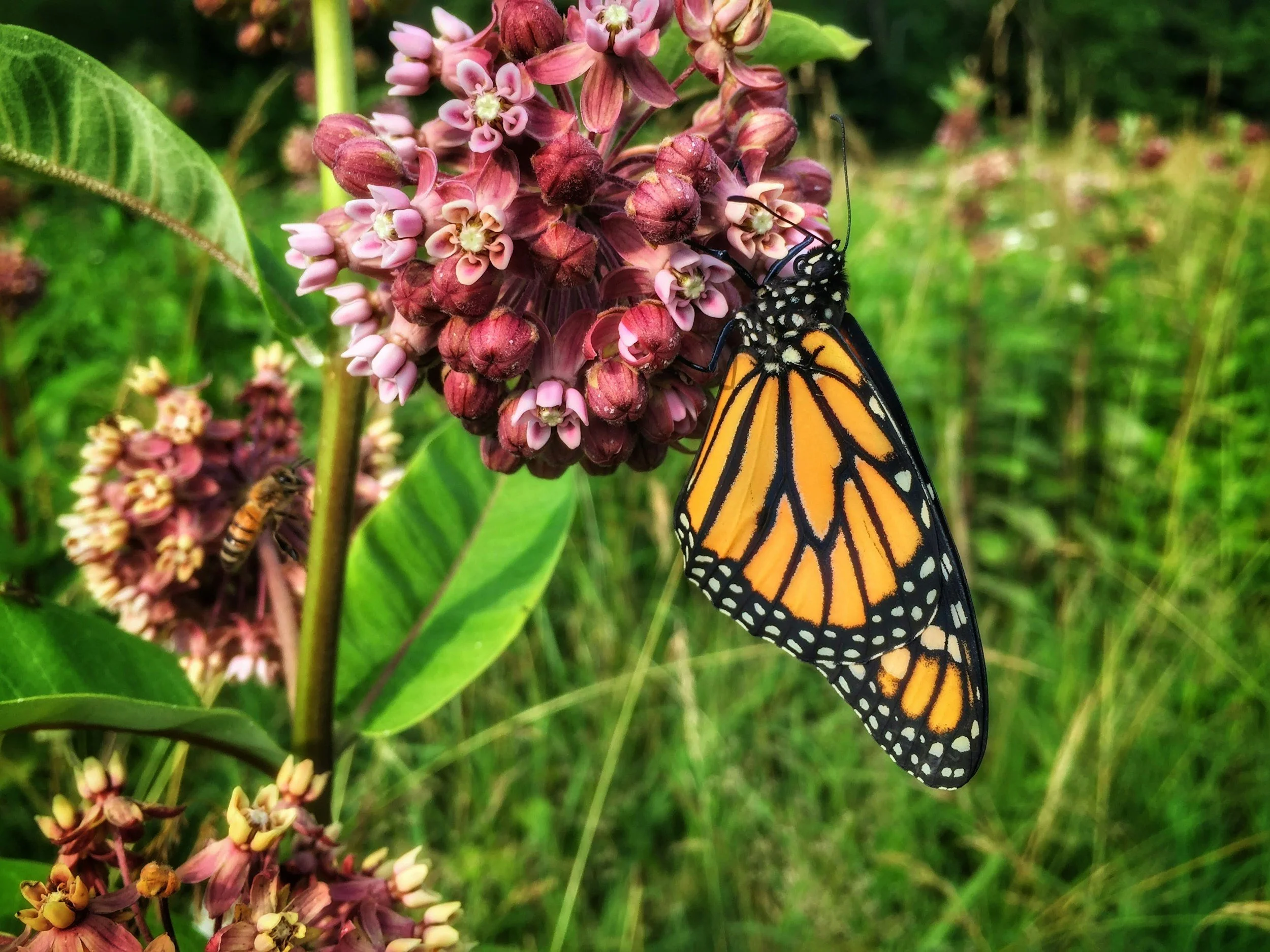
What started as a simple packet of native seeds through the Somo Monarks Milkweed Program has become visible evidence of what happens when people invest in native plants and allow nature the opportunity to respond.
This story is not unique because it is extraordinary.
It is extraordinary because it is repeatable.
The Somo Monarks Milkweed Program is scheduled to return in 2027, expanding partnerships with nurseries and native seed providers across the United States. The goal remains the same: to place more native milkweed into the hands of individuals, families, schools, and communities who want to make a difference, one garden at a time.
A Living Classroom
Alex's garden has become more than a personal project. It is a living classroom. A place where soil, native plants, insects, birds, and people come together. A reminder that conservation begins at home. And proof that the smallest seed can grow into something that benefits an entire ecosystem.
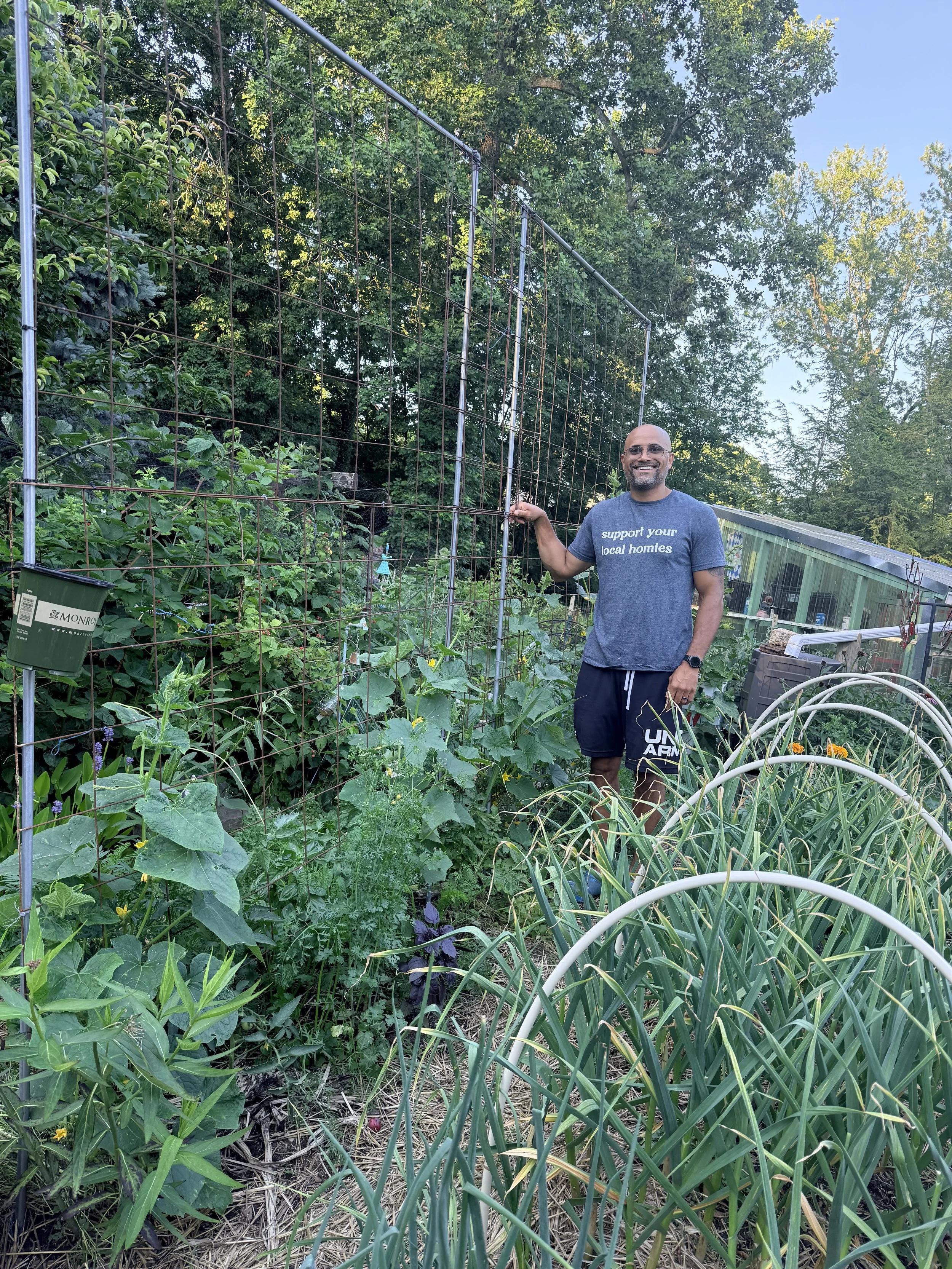
“My favorite food from my garden is my fruit. I eat a little fresh, but I mainly make jam from all of my fruit. It’s amazing. I’m able to can enough where I almost have enough jam for the entire year.”
Share Your Story
Are you creating pollinator habitat, restoring native landscapes, conducting research, educating your community, or supporting pollinators in another way?
We'd love to hear your story.
The Pollinators Network is dedicated to telling the stories of the people, organizations, researchers, educators, gardeners, farmers, and communities working to protect pollinators and restore biodiversity.
Through photography, film, interviews, and educational storytelling, TPN highlights real people creating real impact, inspiring others to take action in their own communities.
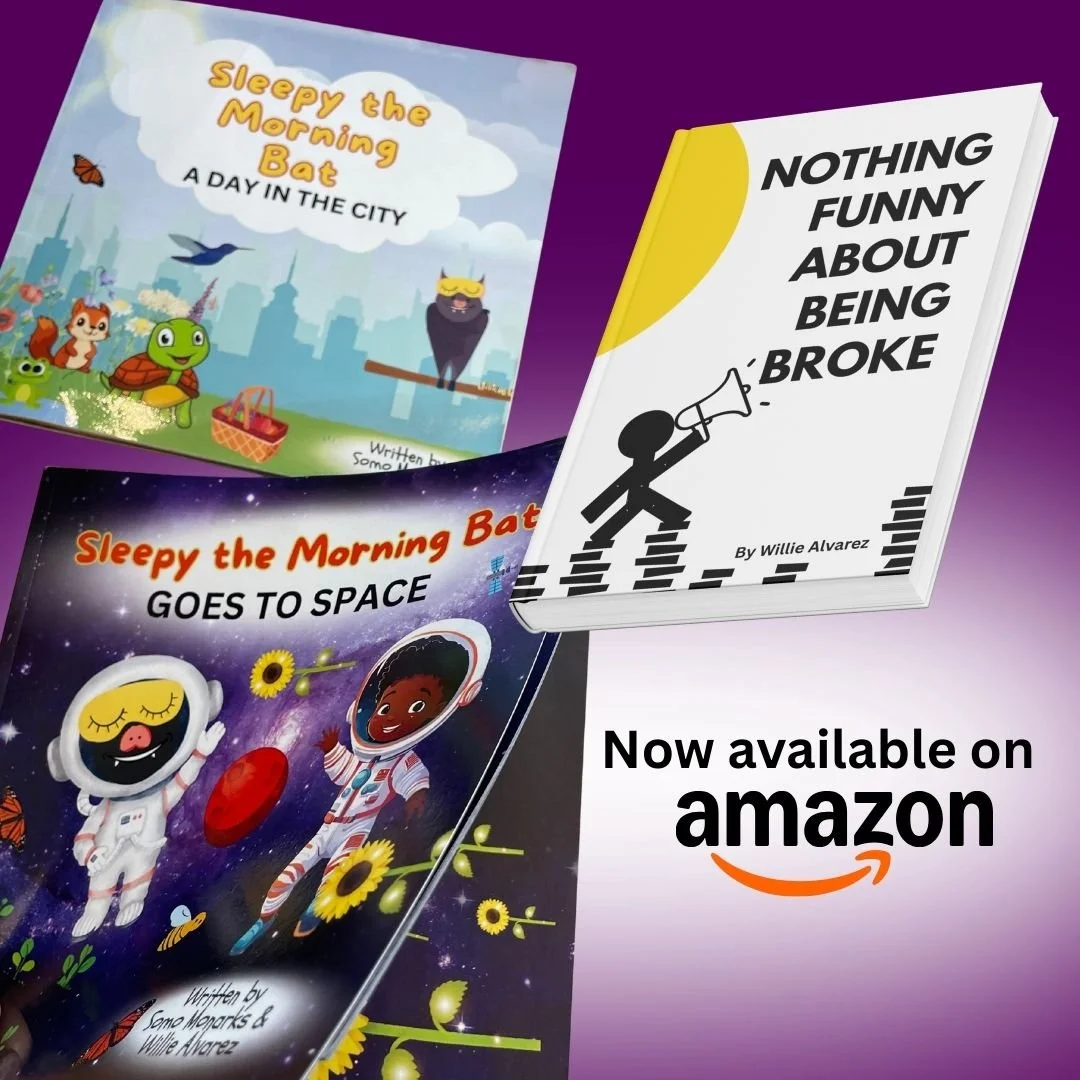
Explore the adventures of Sleepy the Morning Bat, a curious pollinator who travels by day. Join him as he discovers nature, friendship, and the important role pollinators play in our world.
Start the adventure today!