
Bat Week 2026: Celebrating Nature's Nighttime Heroes With Free Coloring Pages, Educational Activities & Bat Facts
THE POLLINATORS NETWORK | EDUCATION • CONSERVATION • COMMUNITY
Every night, while much of the world is asleep, an extraordinary group of mammals takes flight. They travel through forests, farms, deserts, and neighborhoods, quietly helping our planet thrive.
They are bats, and they deserve far more recognition than they receive.
From October 24–31, 2026, The Pollinators Network joins conservationists, scientists, educators, and families around the world in celebrating Bat Week 2026, an international awareness campaign dedicated to understanding and protecting bats.
For us, Bat Week is more than an annual celebration. It is an opportunity to challenge misconceptions, introduce young learners to the importance of biodiversity, and remind our communities that pollinators come in many different forms.
To celebrate, we're introducing our new collection of bat coloring pages and pollinator learning activities, available through our free membership program.
Whether you're a classroom teacher looking for printable bat worksheets, a parent searching for meaningful educational activities, or someone curious about the role bats play in our economy, there's something here for you.
What Is Bat Week 2026, and Why Do We Celebrate It?
Bat Week takes place annually from October 24 through October 31, bringing attention to the ecological importance of bats and the conservation challenges they face.
With more than 1,450 bat species worldwide, these remarkable animals represent approximately one-fifth of all mammal species. They are also the only mammals capable of sustained, powered flight.
Yet bats are often misunderstood. Popular stories associate them with darkness and fear, but their real contributions tell a much more inspiring story.
Bats support our planet by:
Pollinating flowering plants, including important desert species.
Controlling insects that damage agricultural crops.
Dispersing seeds that help forests regenerate.
Supporting biodiversity and healthy ecosystems.
Reducing agricultural losses through natural pest control.
Bat Week encourages communities to replace fear with curiosity, and curiosity with conservation action.
Go to Bat For Bats!
The Billion-Dollar Impact: How Bats Support Our Economy
$3.7B+Estimated annual value of bat pest control to U.S. agriculture.
Based on published economic estimates, not a new 2026 calculation.
When we talk about the economy, we often think about businesses, jobs, technology, and financial investments. But nature is also providing services that support industries and livelihoods.
According to the U.S. Geological Survey, insect-eating bats provide agricultural pest-control services valued at more than $3.7 billion annually in the United States, with some estimates reaching as high as $53 billion.
These estimates come from research published in 2011 and highlight the economic value of conserving healthy bat populations. (U.S. Geological Survey)
Natural pest control
Many bats consume moths, beetles, and other insects that can damage crops. By reducing insect populations naturally, bats can help farmers protect their harvests and reduce reliance on chemical pesticides.
Pollination and food production
Not every bat is a pollinator. However, nectar-feeding species play an essential role in pollinating plants such as agave and certain cacti.
Other bats consume fruit and disperse seeds, helping restore forests and maintain plant diversity.
Why this matters to future generations
Teaching students about the economic importance of bats introduces a valuable lesson: protecting wildlife is also an investment in agriculture, food security, and sustainable communities.
When students understand how ecosystems and economies connect, conservation becomes more than a science lesson. It becomes a conversation about our shared future.
Meet 6 Amazing Bat Species: A Visual Guide for Students and Educators
Not all bats look alike, eat the same foods, or perform the same ecological jobs. Some are important pollinators, others disperse seeds, and many help control insect populations.
Here are six fascinating bat species to introduce during Bat Week 2026.
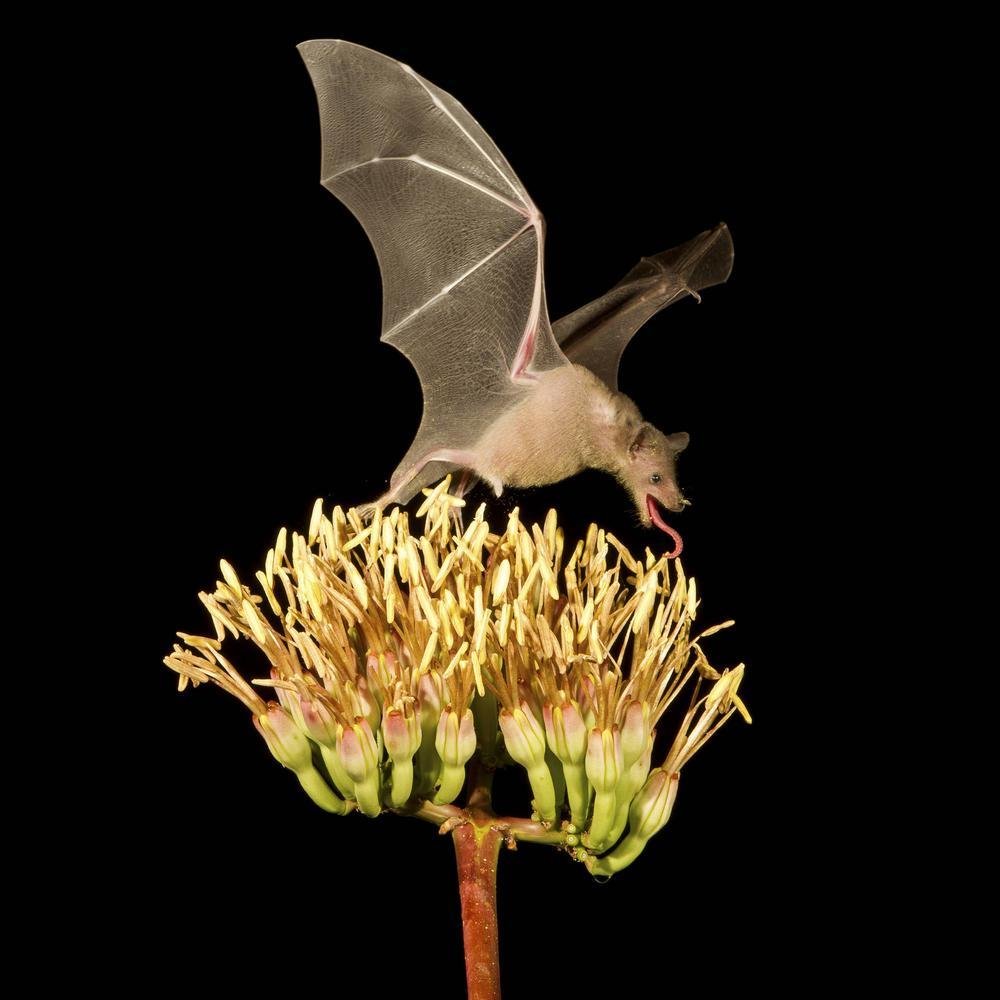
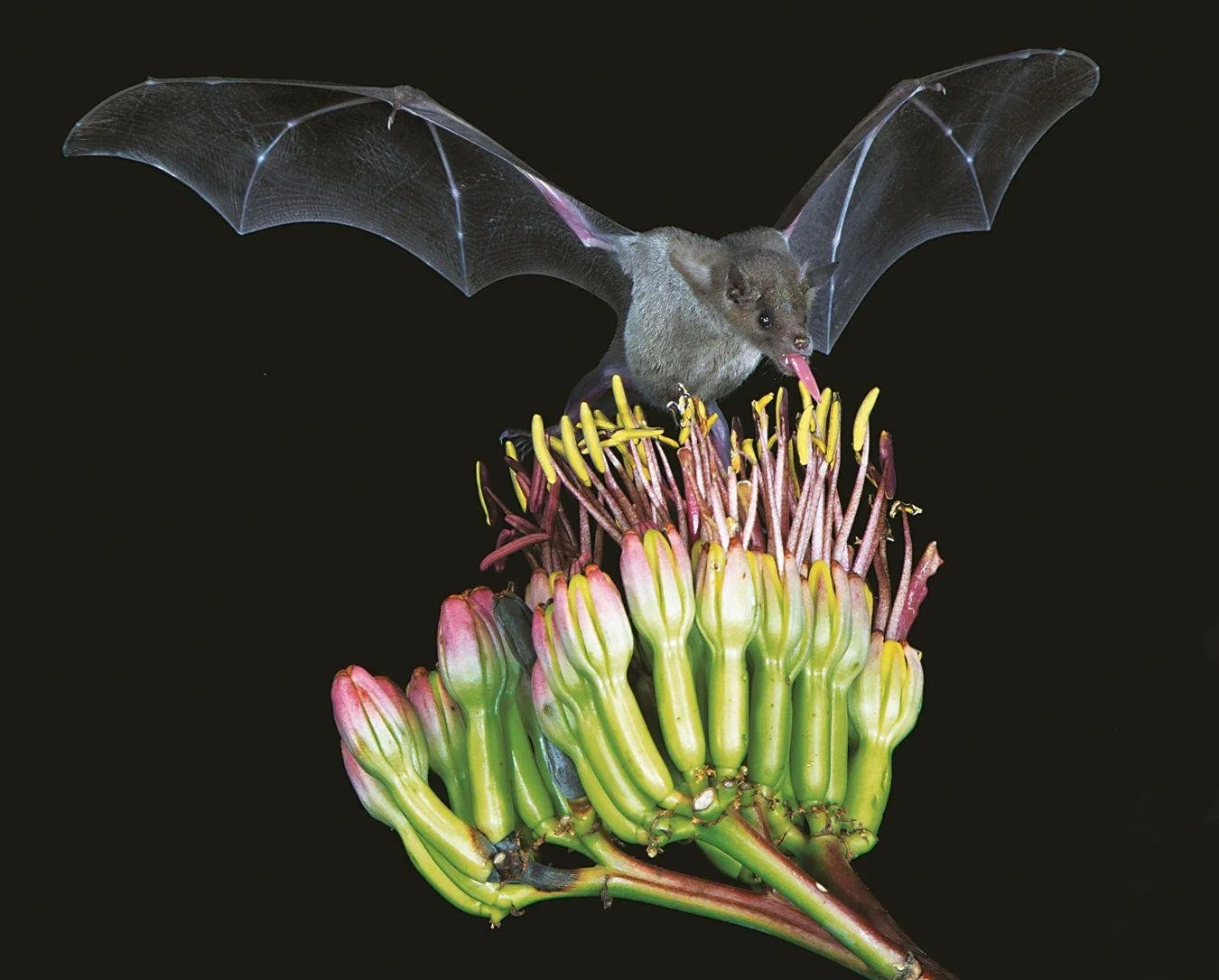
1. Lesser Long-Nosed Bat
Leptonycteris yerbabuenae
Role: Pollinator
This nectar-feeding bat travels through Mexico and the southwestern United States, visiting agave and cactus flowers. Pollen transfers between flowers as it feeds, supporting plant reproduction.
Classroom fact: Some bats pollinate flowers at night, just as bees and butterflies do during the day. (RESOURCE)
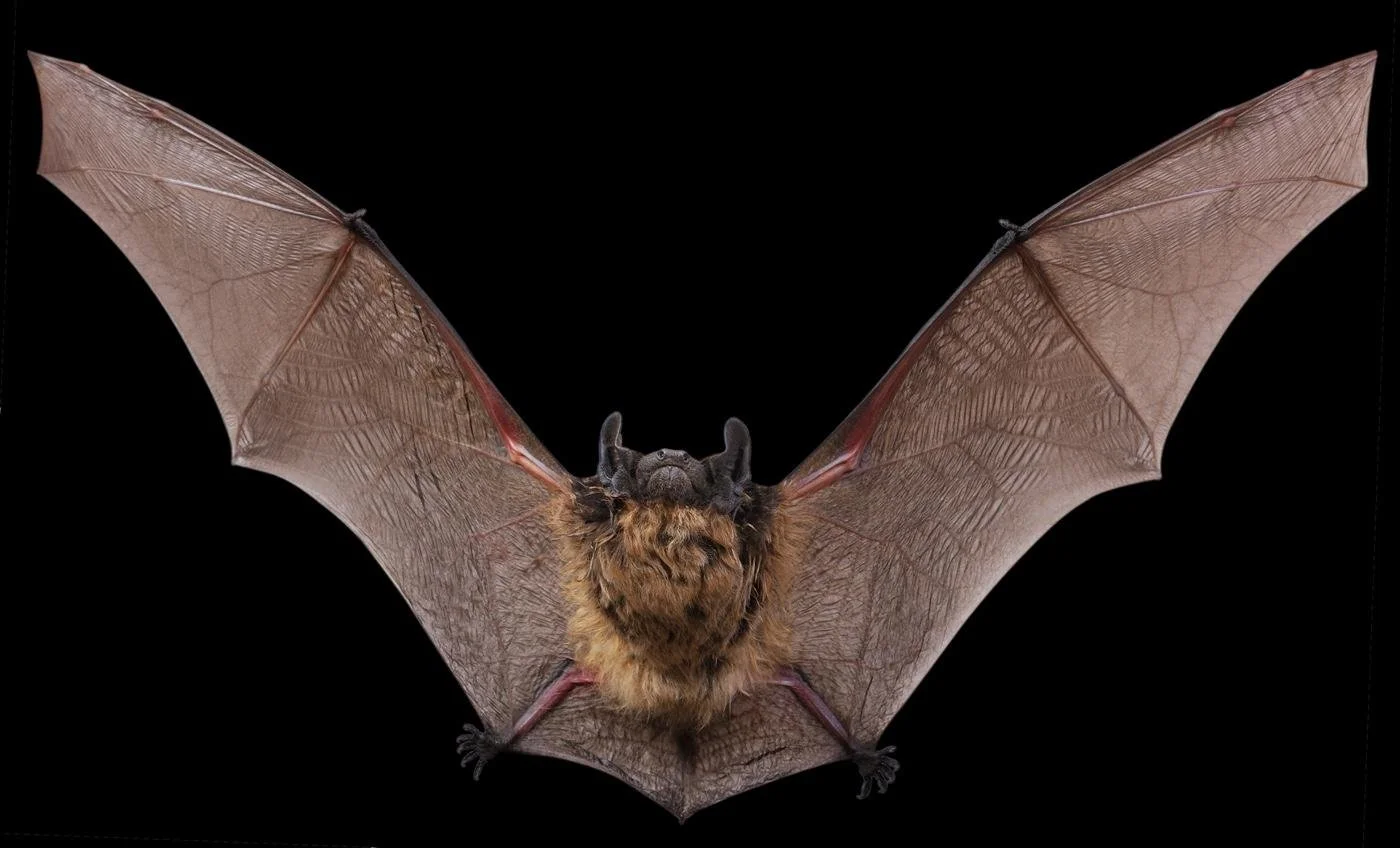
2. Little Brown Bat
Myotis lucifugus
Role: Insect control
Found across parts of North America, this small bat eats flying insects and uses echolocation to navigate in darkness.
Classroom fact: Little brown bats are among the species severely affected by white-nose syndrome, a disease that threatens hibernating bats.
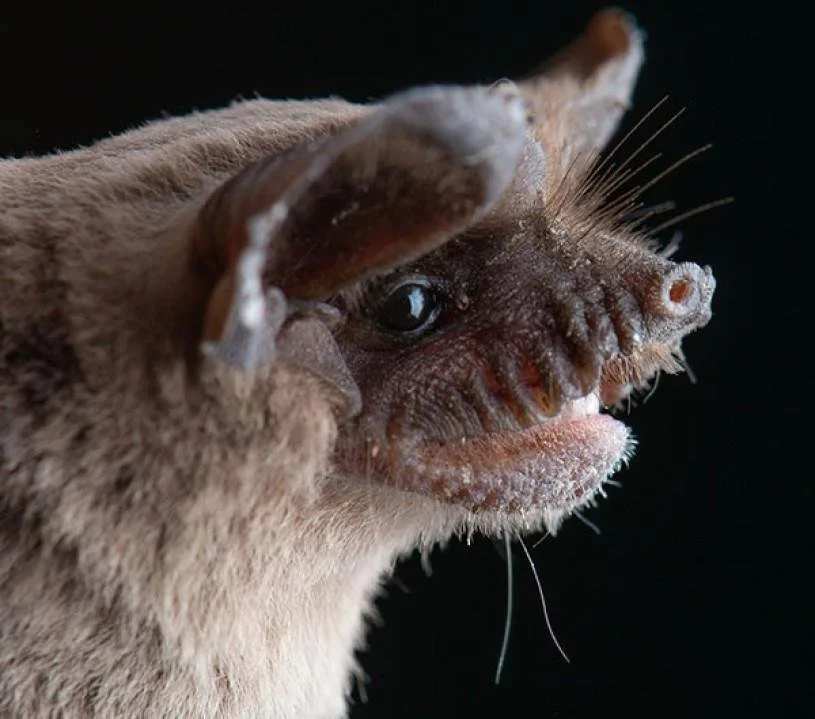
3. Mexican Free-Tailed Bat
Tadarida brasiliensis
Role: Natural pest control
Famous for gathering in enormous colonies, these fast-flying bats consume insects, including agricultural pests.
Classroom fact: Some Mexican free-tailed bats can fly at exceptionally high speeds, making them remarkable aerial hunters.
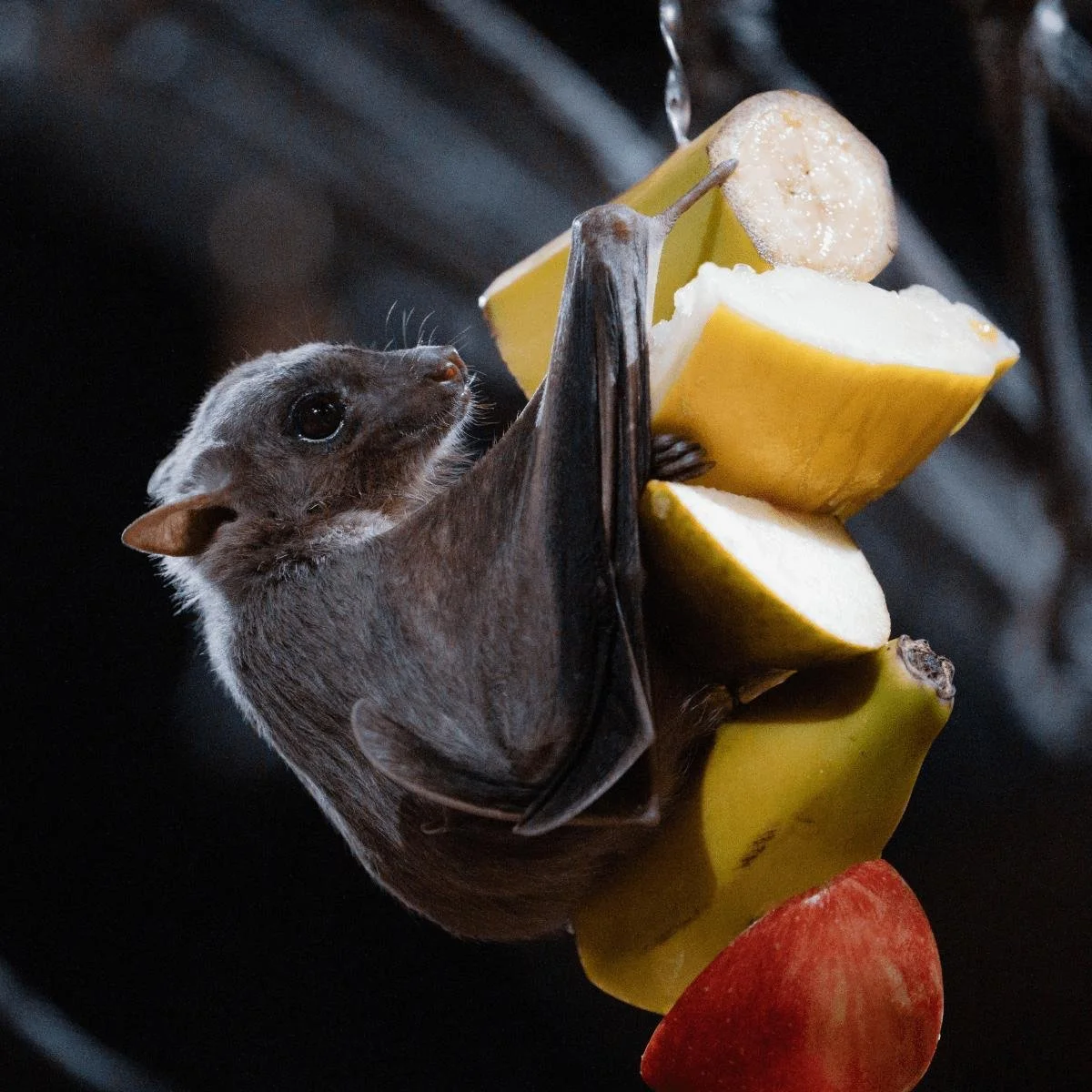
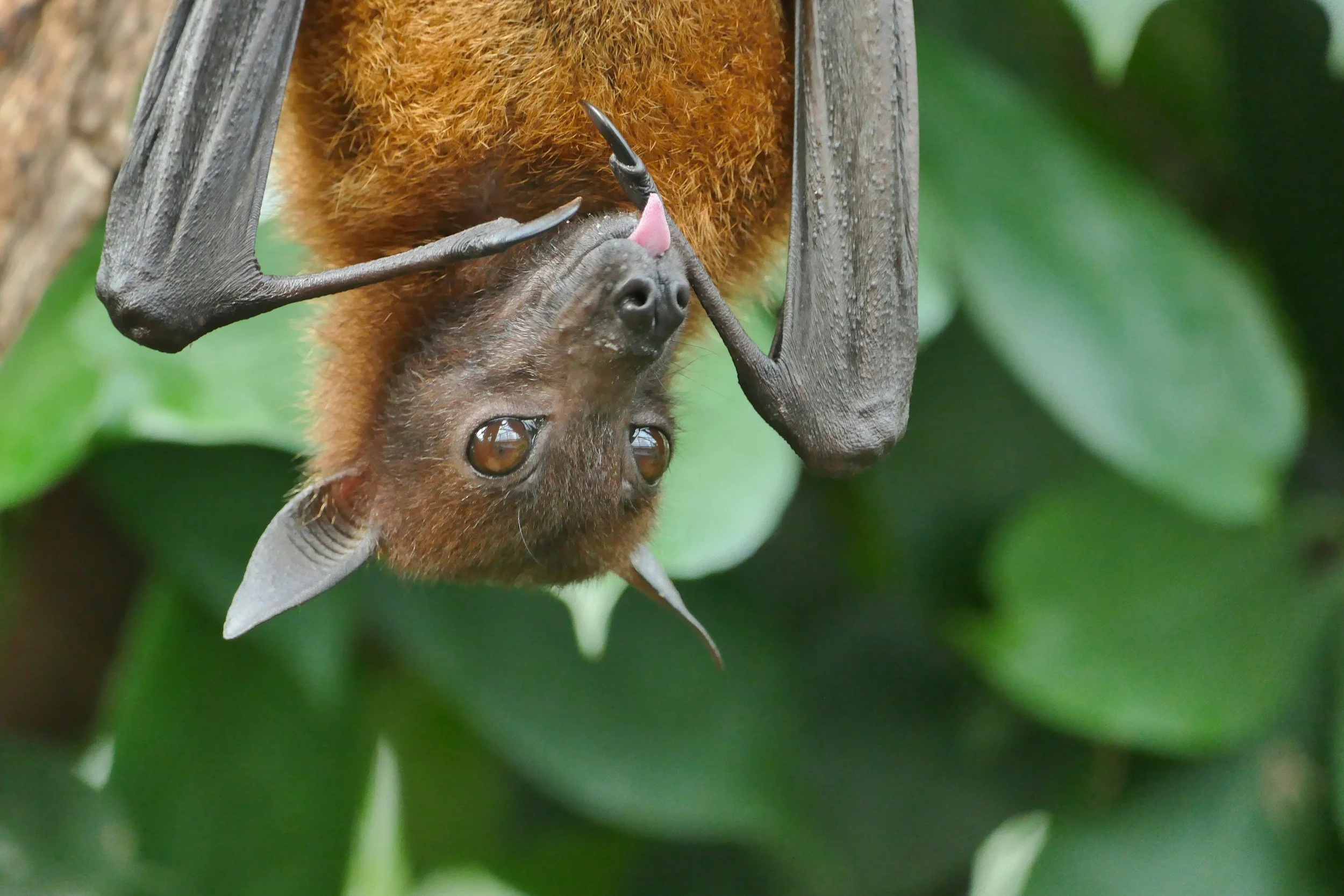
4. Egyptian Fruit Bat
Rousettus aegyptiacus
Role: Seed dispersal
This fruit-eating bat lives in parts of Africa and the Middle East. As it feeds, it can spread seeds to new locations, helping plants grow.
Classroom fact: Fruit bats can help forests regenerate by transporting seeds away from parent trees.
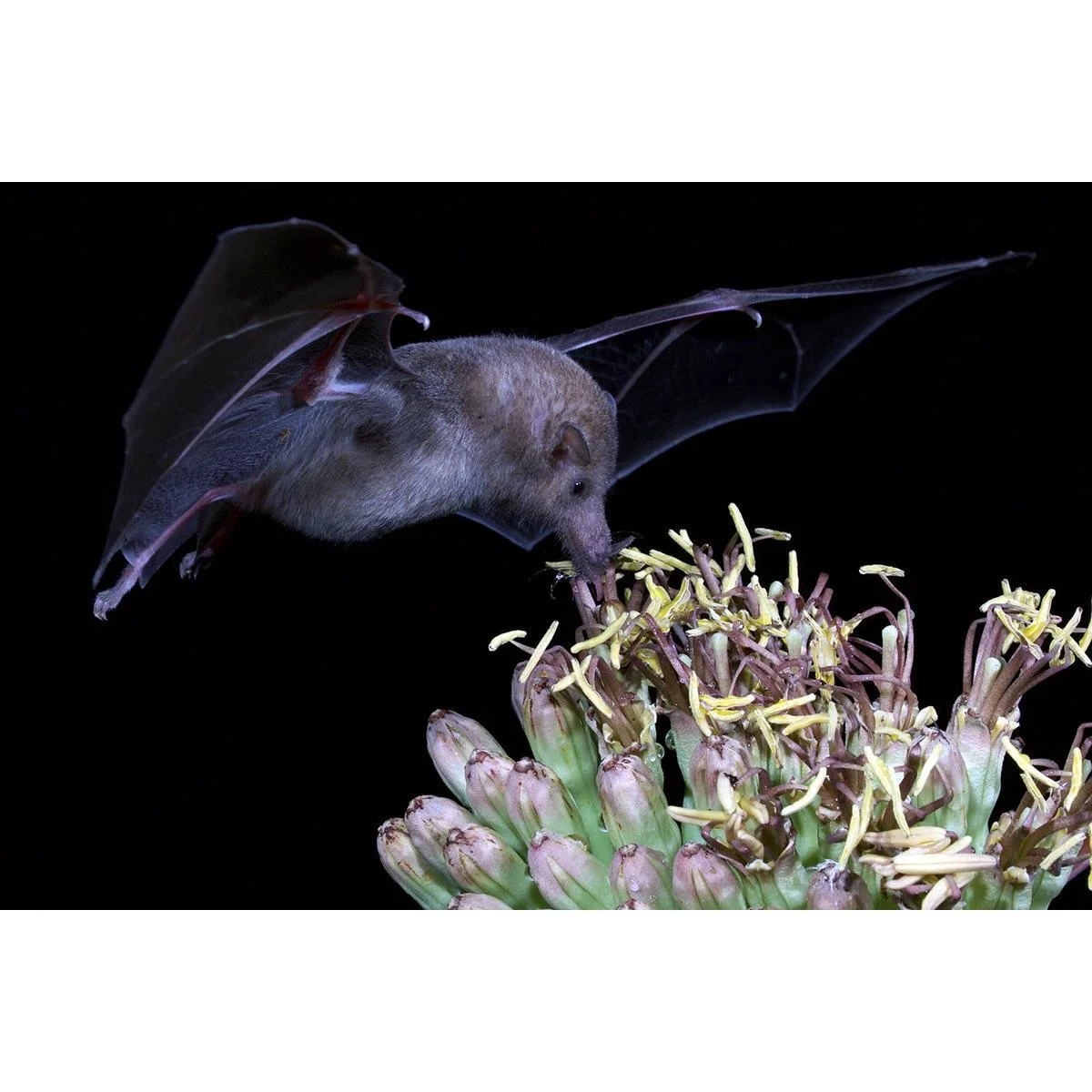
5. Mexican Long-Tongued Bat
Choeronycteris mexicana
Role: Pollinator
Its long tongue helps it reach nectar deep inside flowers. This bat supports desert ecosystems by visiting agaves and other flowering plants.
Classroom fact: Its tongue can extend up to one-third of its body length.
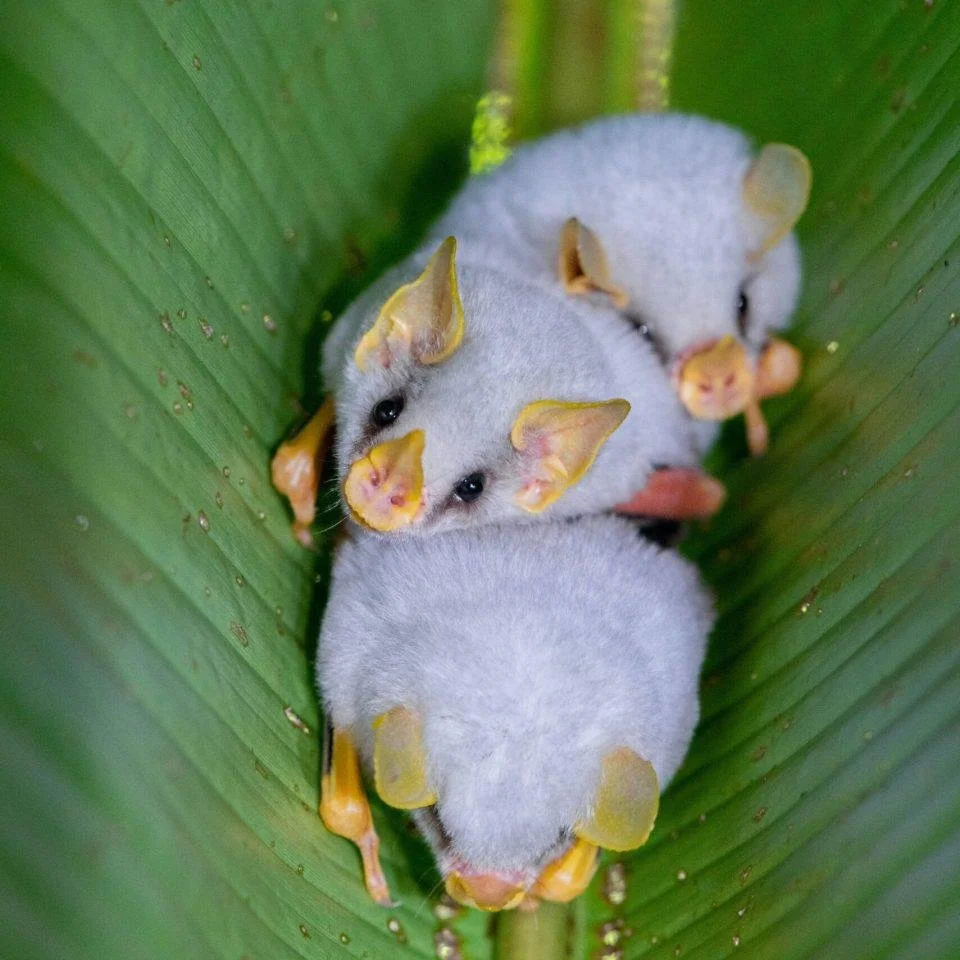
6. Honduran White Bat
Ectophylla alba
Role: Seed dispersal
Native to Central America, including Honduras, this tiny white bat feeds primarily on fruit and shelters beneath leaves it modifies into tent-like roosts.
Classroom fact: Not every bat lives in a cave. Some build shelters from living leaves!
Introducing Our Free Bat Week 2026 Coloring Pages & Pollinator Activities
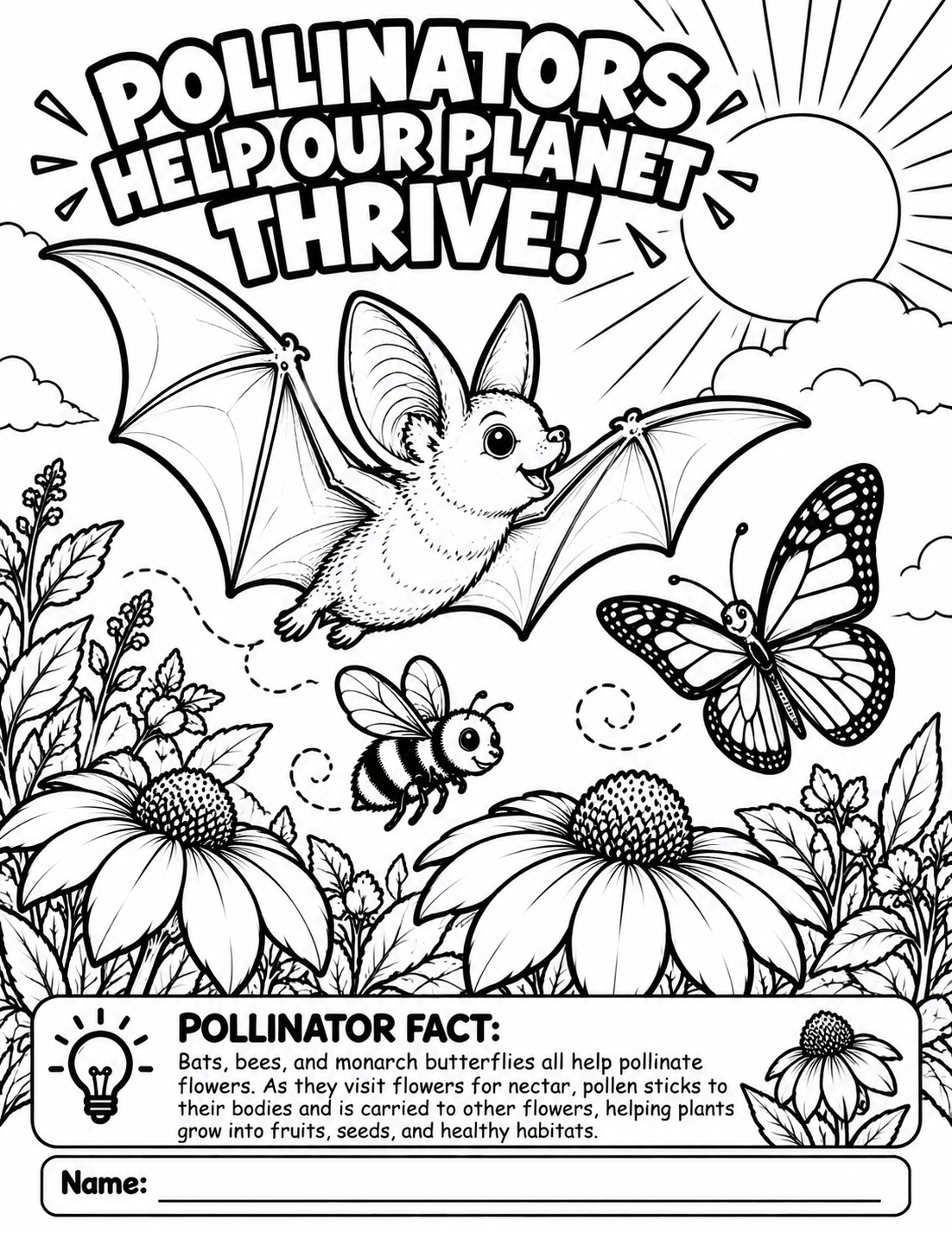
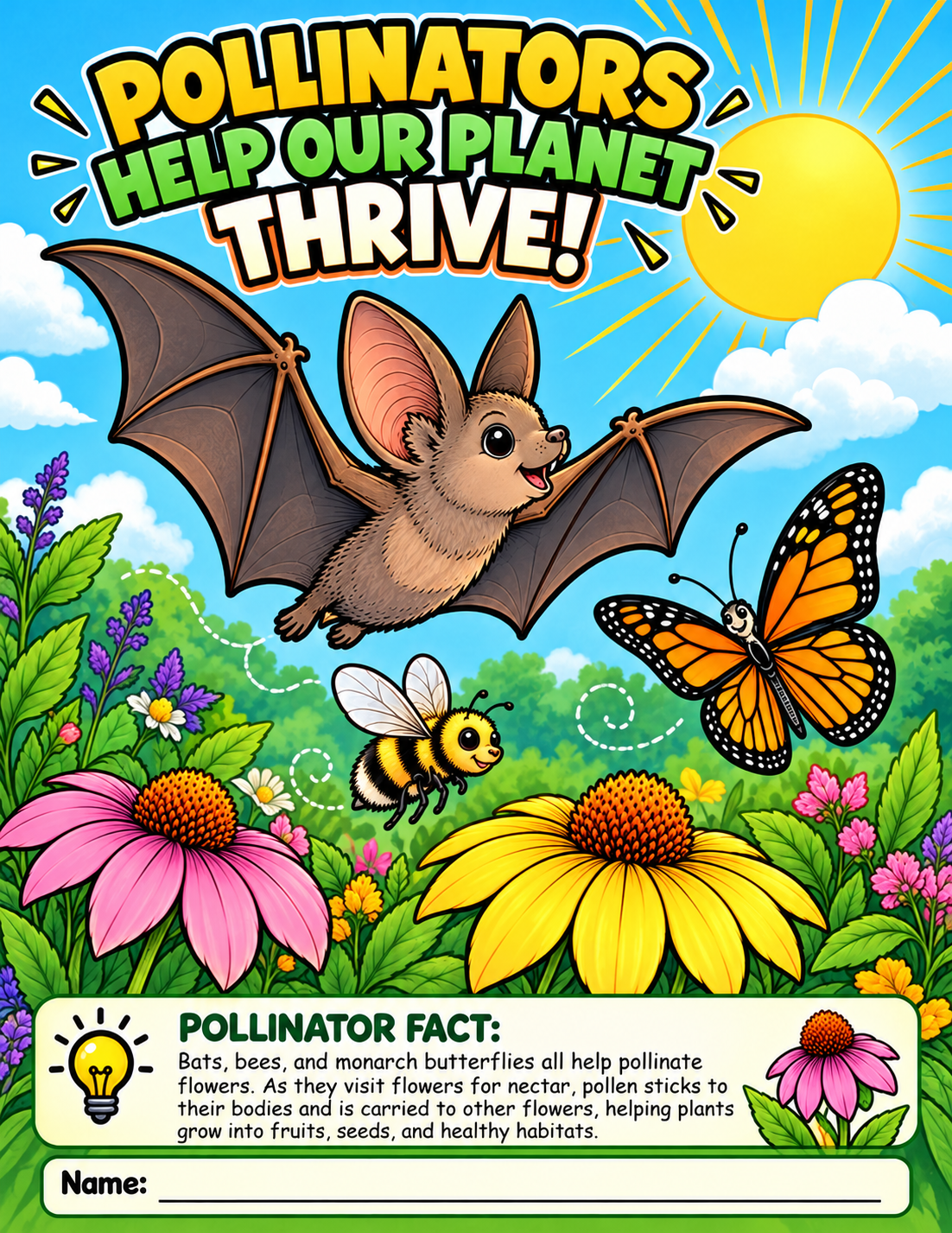
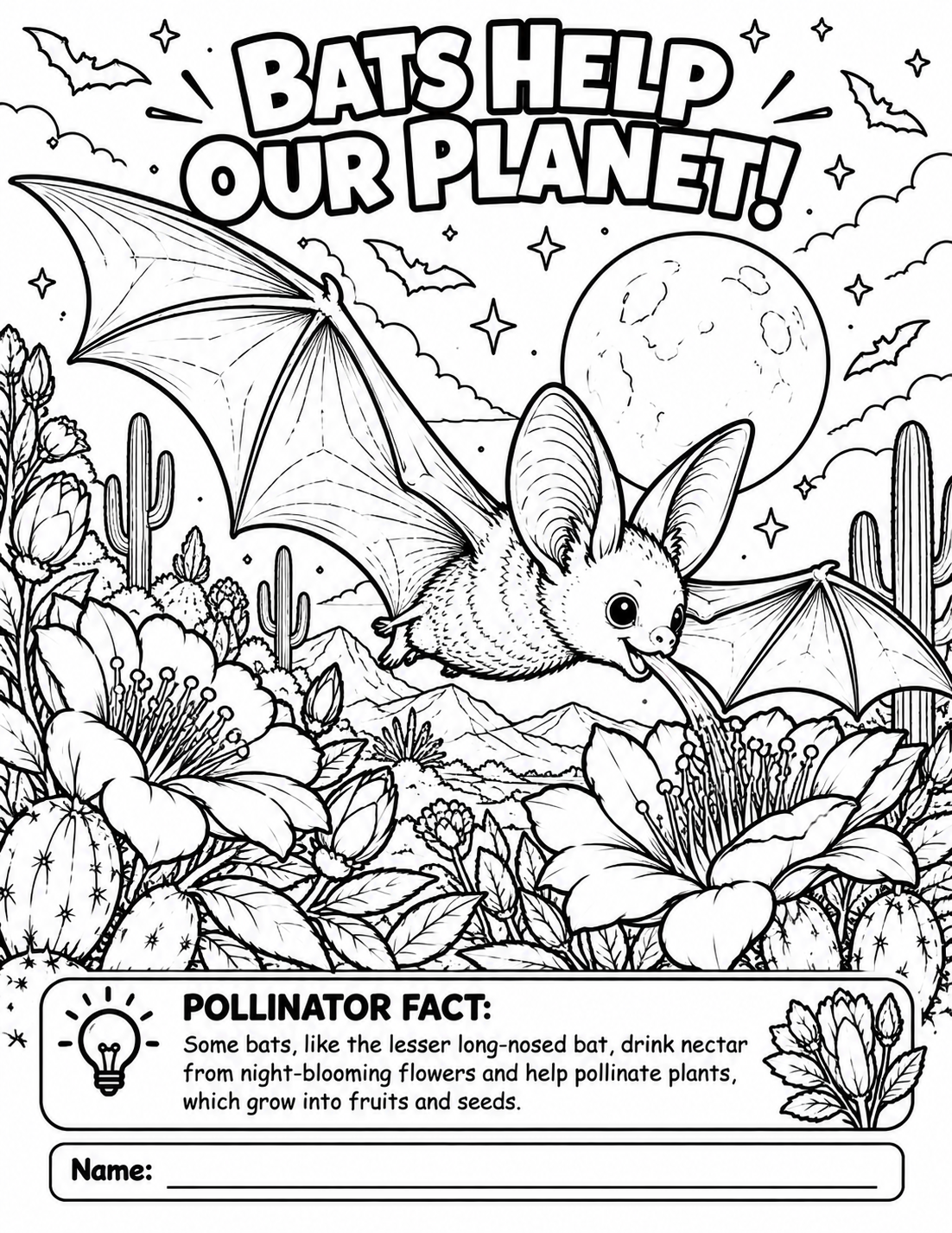

At The Pollinators Network, we believe environmental education should be accessible, engaging, and creative.
This Bat Week, we're introducing a new collection of printable coloring pages and educational resources designed to help students explore bats and other pollinators through art, science, and storytelling.
Our goal is simple: make learning about pollinators an experience that educators can bring into their classrooms and families can enjoy at home.
By subscribing to our free membership, you'll receive access to educational resources, including:
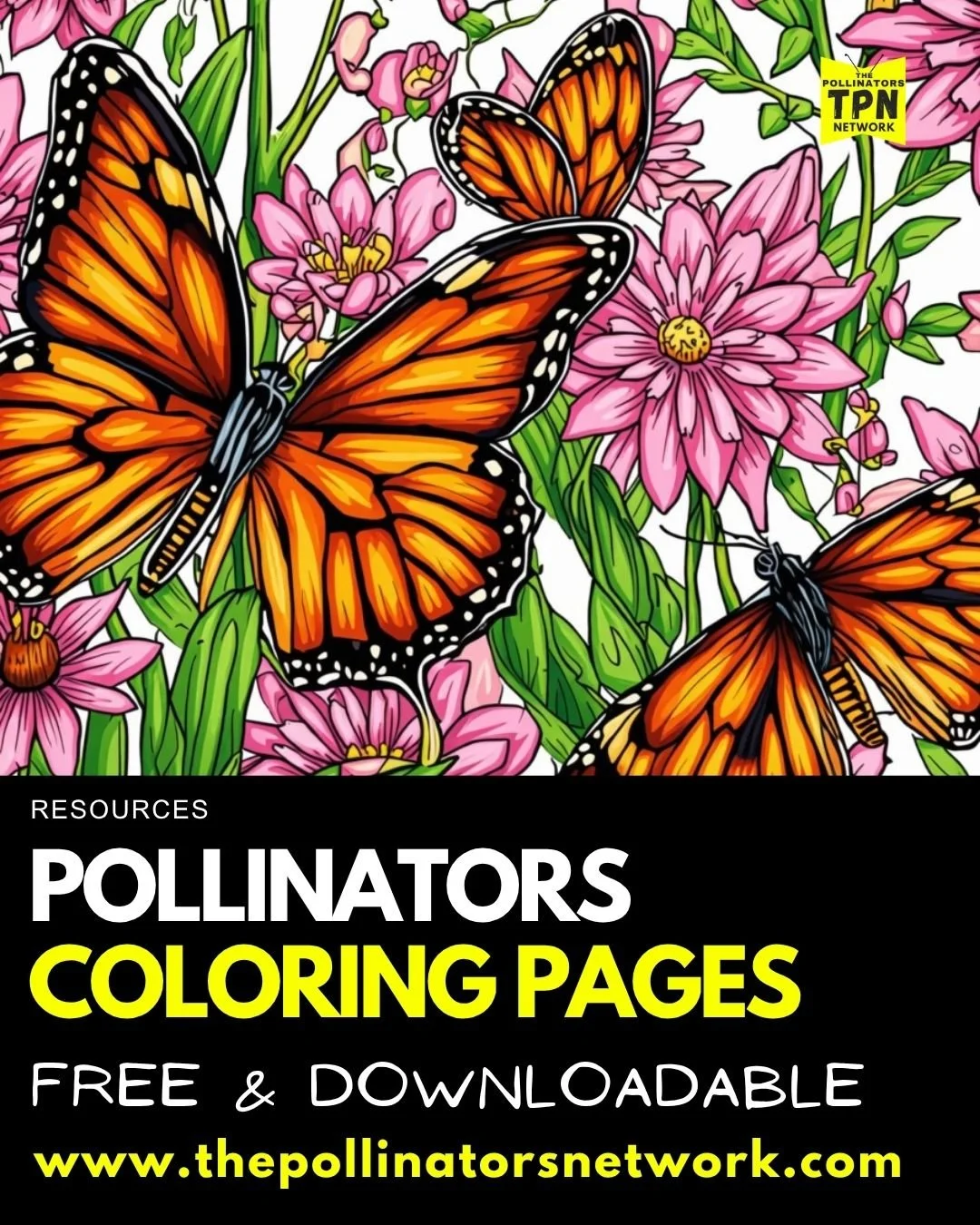
Free printable bat coloring pages for elementary and middle school students.
Pollinator coloring activities featuring bats, monarch butterflies, bees, and other important species.
Educational bat facts and wildlife learning materials.
Seasonal pollinator activities and conservation challenges.
Exclusive educational content, updates, and new resource announcements.
Opportunities to discover more about conservation projects and pollinator communities.
Whether you're preparing a science lesson, planning a Bat Week classroom activity, or simply looking for a meaningful screen-free activity, our resources are designed to make learning fun.
Join The Pollinators Network for free and become part of a growing community passionate about pollinators, nature, education, and conservation. As a Free Member, you'll gain access to exclusive downloadable resources designed for families, educators, students, and pollinator enthusiasts of all ages.
Bat Week Classroom Activities: 5 Creative Ways to Teach About Bats
Teachers and homeschool educators can transform Bat Week into an interactive science experience with activities that combine ecology, art, reading, and critical thinking.

1. Color a Bat, Discover Its Role
Grades K–5 | Art + Life Science
Have students complete a bat coloring page and identify whether their bat is a pollinator, insect eater, or seed disperser. Ask them to share one fact they learned.
2. Build a Bat Wing
Grades 3–7 | Anatomy + Engineering
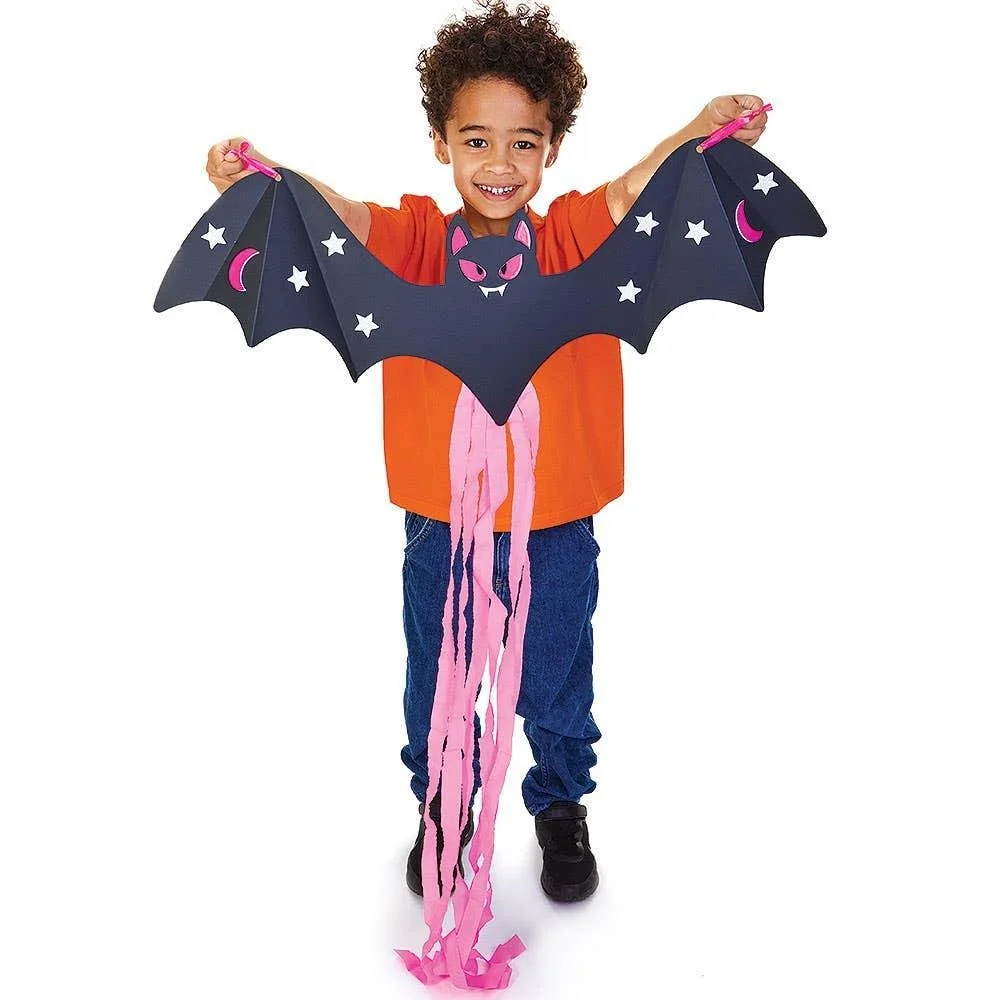
Compare a bat's wing to the human hand. Use paper, craft sticks, and flexible material to demonstrate how elongated fingers support flight.
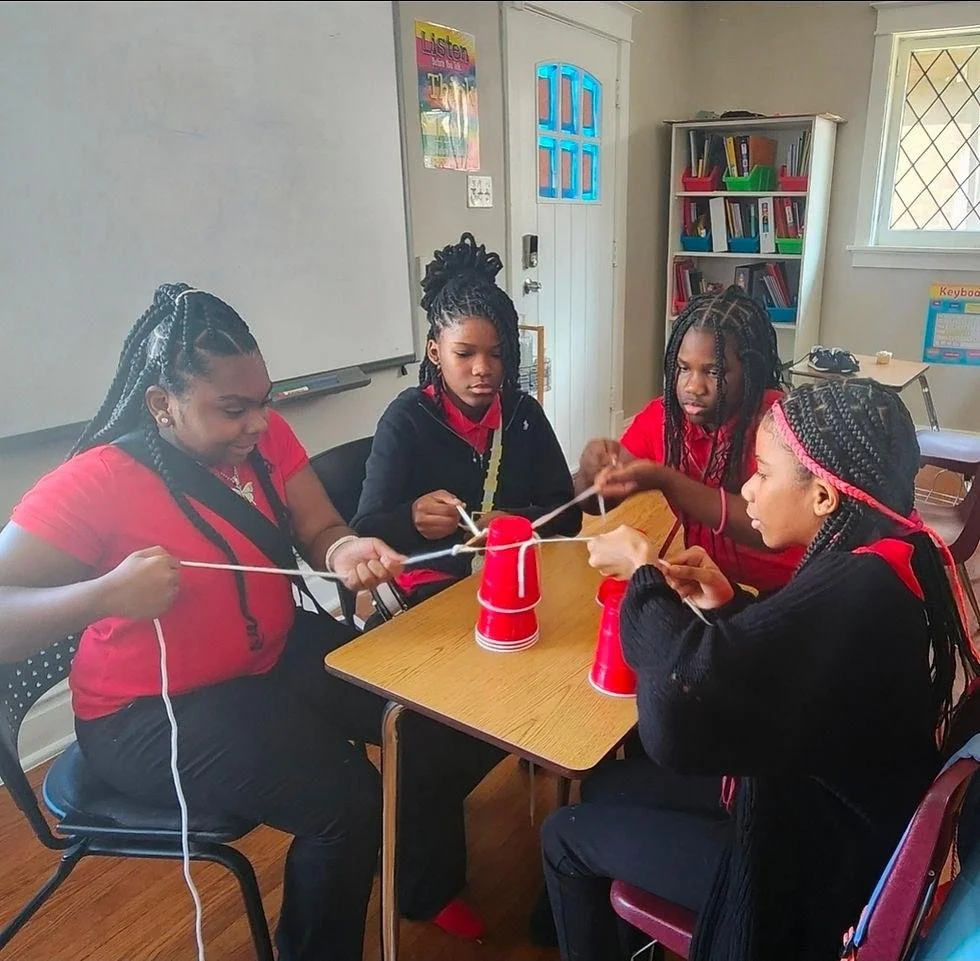
3. Explore Echolocation
Grades 3–8 | Sound + Adaptation
Have students explore how sound reflects off objects using a teacher-guided echo demonstration. Discuss how many bats use returning echoes to navigate and find insects.

4. The Billion-Dollar Bat Challenge
Grades 6–8 | Math + Economics
Introduce the estimated $3.7 billion annual value of bat pest control to U.S. agriculture. Have students calculate hypothetical savings for farms and discuss how biodiversity supports the economy.
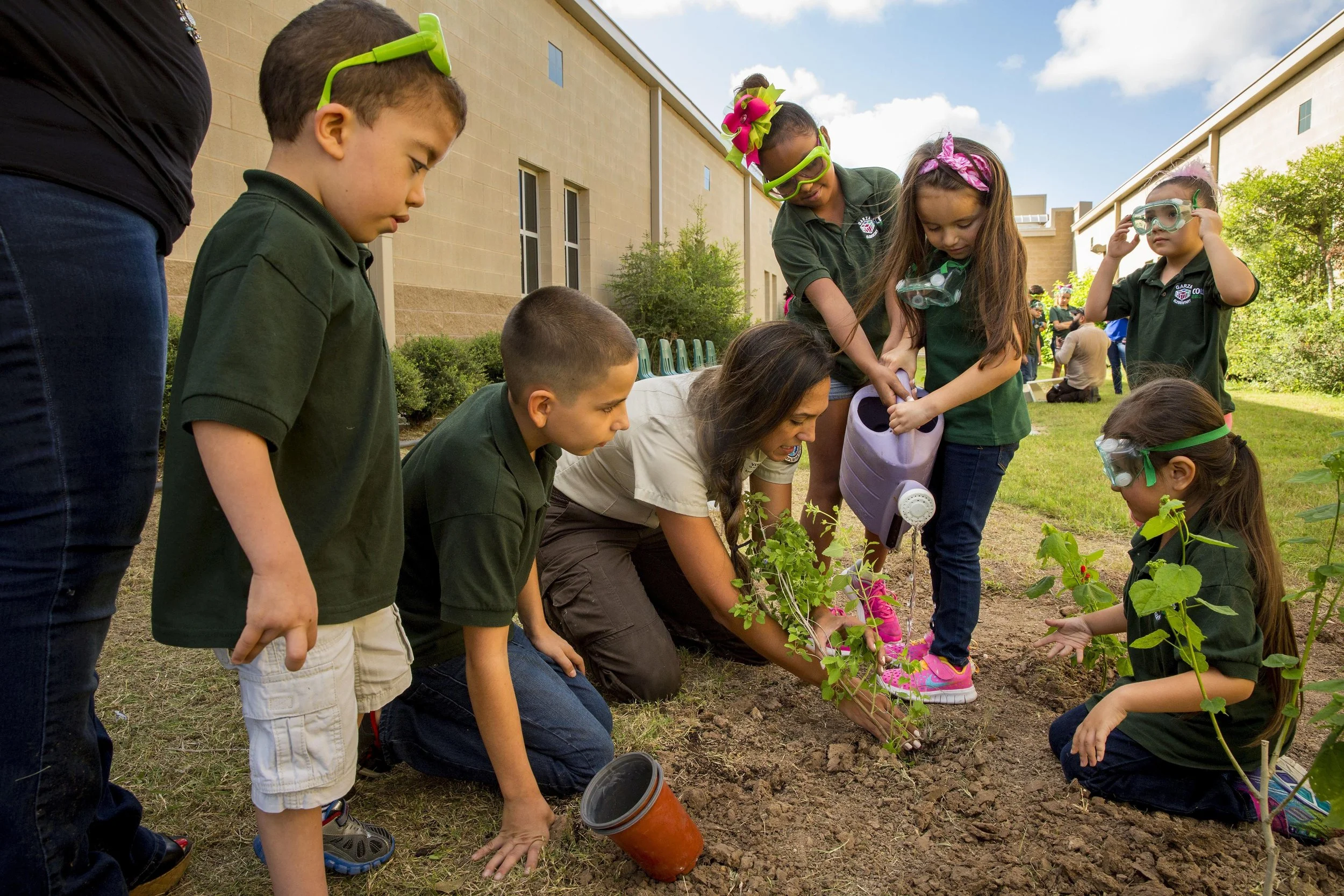
5. Design a Bat-Friendly Habitat
Grades 4–8 | Conservation + Design
Invite students to design a wildlife-friendly garden that includes native plants, clean water, and safe habitats. Discuss how reducing pesticide use and protecting natural roosting sites can support bats.
These activities can be adapted for afterschool programs, science clubs, environmental education centers, and family learning events.
Pollinator Books: Keep the Learning Going Beyond Bat Week
At The Pollinators Network, we recognize the power of storytelling in introducing young readers to wildlife conservation.
Books help children build curiosity, connect with nature, and discover environmental topics through memorable characters and adventures.
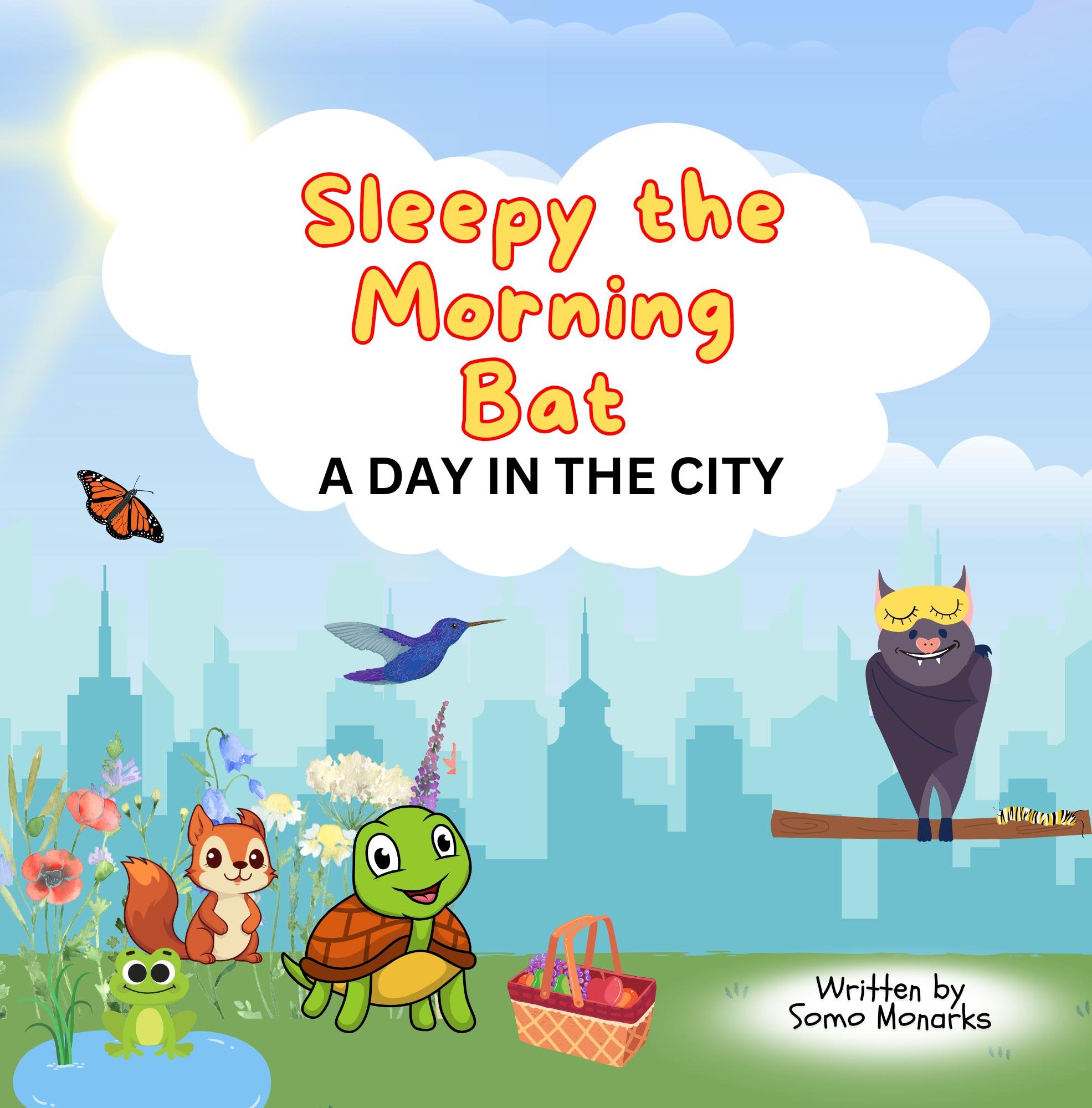
Sleepy the Morning Bat: A Day in the City
Follow Sleepy through an imaginative adventure that introduces young readers to the world of bats.
Recommended for: Young readers, families, and elementary educators.
Paperback: $10.99
ISBN: 979-8343593631
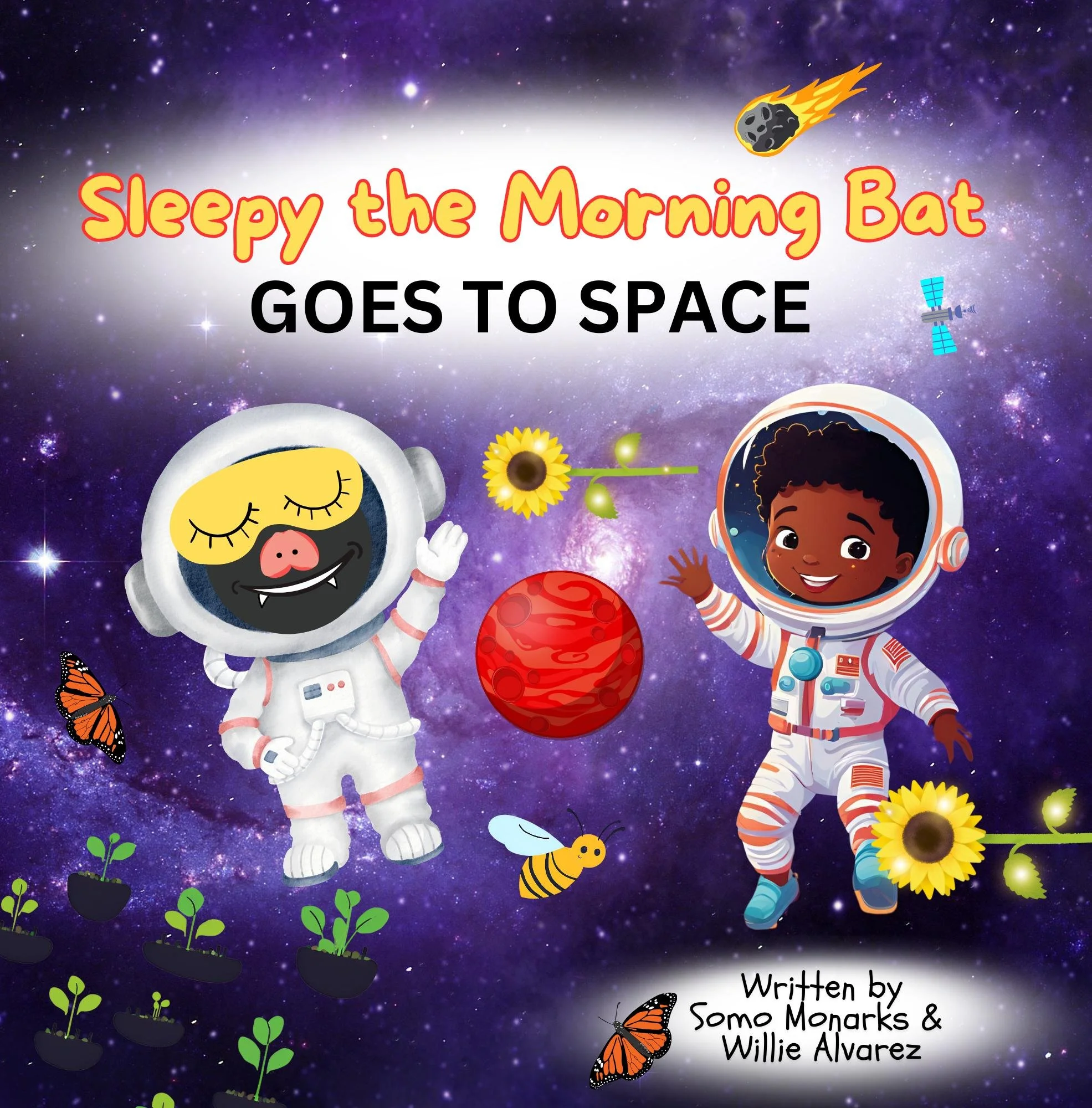
Sleepy the Morning Bat: Goes to Space
Continue the adventure with Sleepy as storytelling, creativity, and exploration take readers beyond Earth.
Recommended for: Young readers interested in animals, imagination, and space.
Paperback: $10.99
ISBN: 979-8307222355
These stories can complement Bat Week read-aloud sessions, creative writing assignments, and art activities.
Educators can encourage students to compare the fictional adventures of Sleepy with real bat behaviors and habitats.
Why Bat Conservation Matters Beyond October
Although Bat Week lasts only eight days, the need to protect bats continues throughout the year.
Habitat loss, pesticide exposure, climate change, disturbances to roosting sites, and diseases such as white-nose syndrome threaten bat populations around the world.
White-nose syndrome has been particularly devastating to several North American species, including little brown bats and northern long-eared bats.
The good news is that everyone can contribute to conservation. Protecting native vegetation, limiting unnecessary pesticide use, keeping a safe distance from wild bats, and supporting conservation research are all meaningful actions.
For educators, one of the most powerful contributions is helping students understand that bats are not animals to fear, but important members of our ecosystems.
Frequently Asked Questions About Bat Week 2026
When is Bat Week 2026?
Bat Week 2026 takes place October 24–31, with educational activities and conservation awareness events celebrated internationally.
Are bats pollinators?
Yes, some bat species are important pollinators, particularly nectar-feeding bats in tropical and desert ecosystems. Many other bats primarily eat insects or fruit.
Where can teachers find free bat coloring pages?
The Pollinators Network is introducing free printable bat coloring pages and educational pollinator activities through its free membership program. Educators can also explore resources from BatWeek.org.
What grades are bat activities suitable for?
Bat coloring pages, conservation activities, and wildlife lessons can be adapted for kindergarten through eighth grade, with more advanced activities available for older students.
How do bats help the economy?
Bats help protect agricultural crops by consuming insects, support plant reproduction through pollination, and contribute to forest regeneration through seed dispersal.
Join The Pollinators Network: Learn, Explore & Protect
At The Pollinators Network, our mission is to make pollinator education accessible while connecting communities to the extraordinary wildlife that supports our planet.
Through educational resources, creative activities, research, and storytelling, we hope to inspire the next generation of environmental advocates.
As we celebrate Bat Week 2026, we invite teachers, students, parents, and wildlife enthusiasts to become part of our growing community.
Subscribe for free, explore our new bat coloring pages, discover pollinator activities, and continue learning with us throughout the year.
Because protecting pollinators begins with understanding them.
Visit ThePollinatorsNetwork.com to explore our community.
Happy Bat Week 2026!
Sources and further reading for educators
Share Your Story
Are you creating pollinator habitat, restoring native landscapes, conducting research, educating your community, or supporting pollinators in another way?
We'd love to hear your story.
The Pollinators Network is dedicated to telling the stories of the people, organizations, researchers, educators, gardeners, farmers, and communities working to protect pollinators and restore biodiversity.
Through photography, film, interviews, and educational storytelling, TPN highlights real people creating real impact, inspiring others to take action in their own communities.

Explore the adventures of Sleepy the Morning Bat, a curious pollinator who travels by day. Join him as he discovers nature, friendship, and the important role pollinators play in our world.
Start the adventure today!