
Why Pollinators Matter More Than Ever
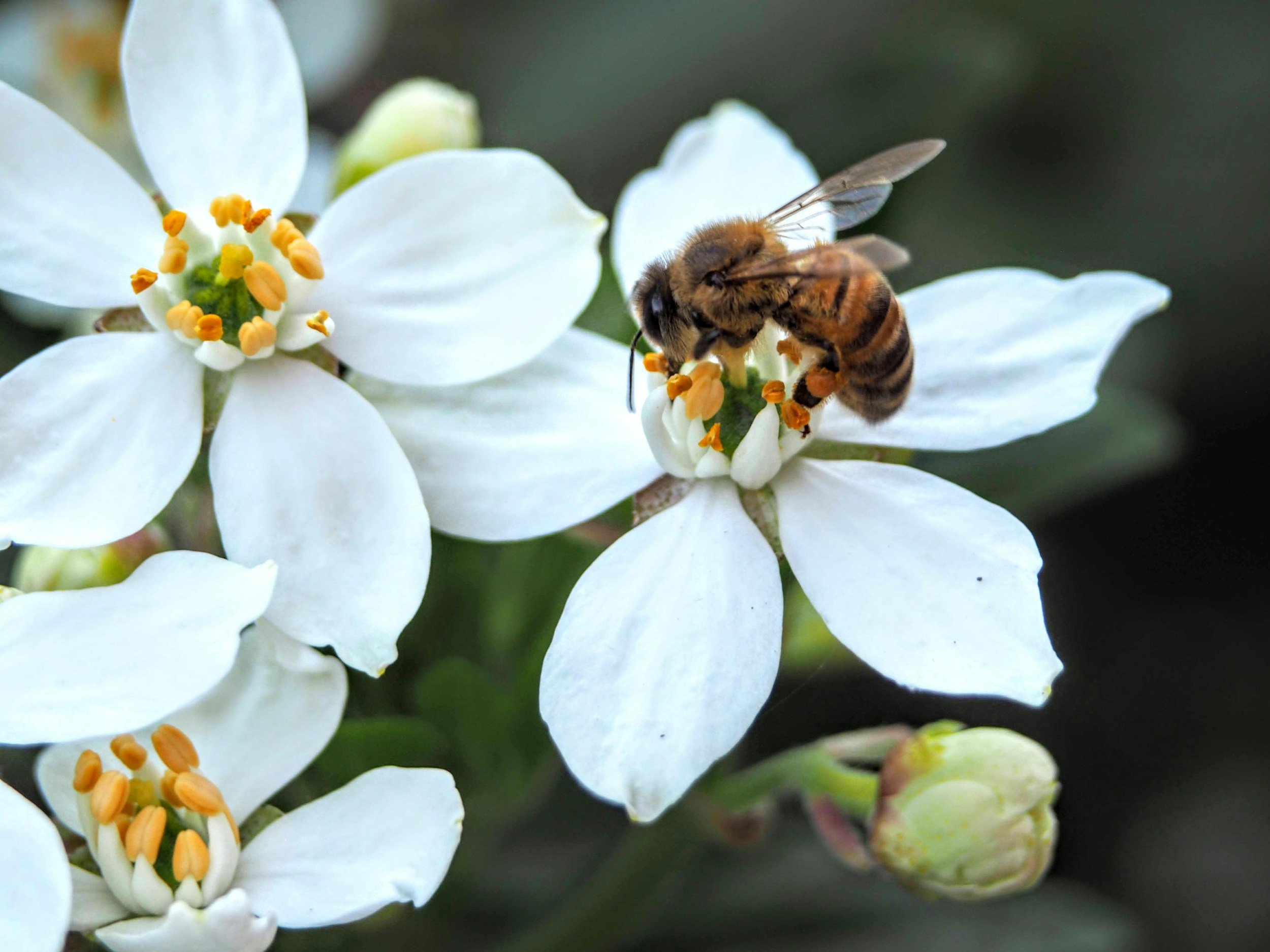
Every spring and summer, bees drift from flower to flower, butterflies glide across gardens, hummingbirds hover among blooms, bats emerge at dusk, and countless other pollinators quietly perform one of nature's most important jobs.
Most people rarely stop to think about it.
Yet without pollinators, the world around us would look very different.
The fruits we enjoy, the vegetables on our tables, the flowers in our neighborhoods, and many of the ecosystems that support life depend on pollination. It is a process that connects plants, wildlife, and people in ways that often go unseen.
At The Pollinators Network, we believe understanding pollinators is the first step toward protecting them.
What Are Pollinators?
Pollinators are animals that help plants reproduce by moving pollen from one flower to another.
This simple act allows plants to produce seeds, fruits, and new generations of growth.
While honey bees are often the first pollinator people think about, they are only part of a much larger story.
Pollinators come in many forms and each plays a unique role in maintaining healthy ecosystems.
Meet the Pollinators
Bees
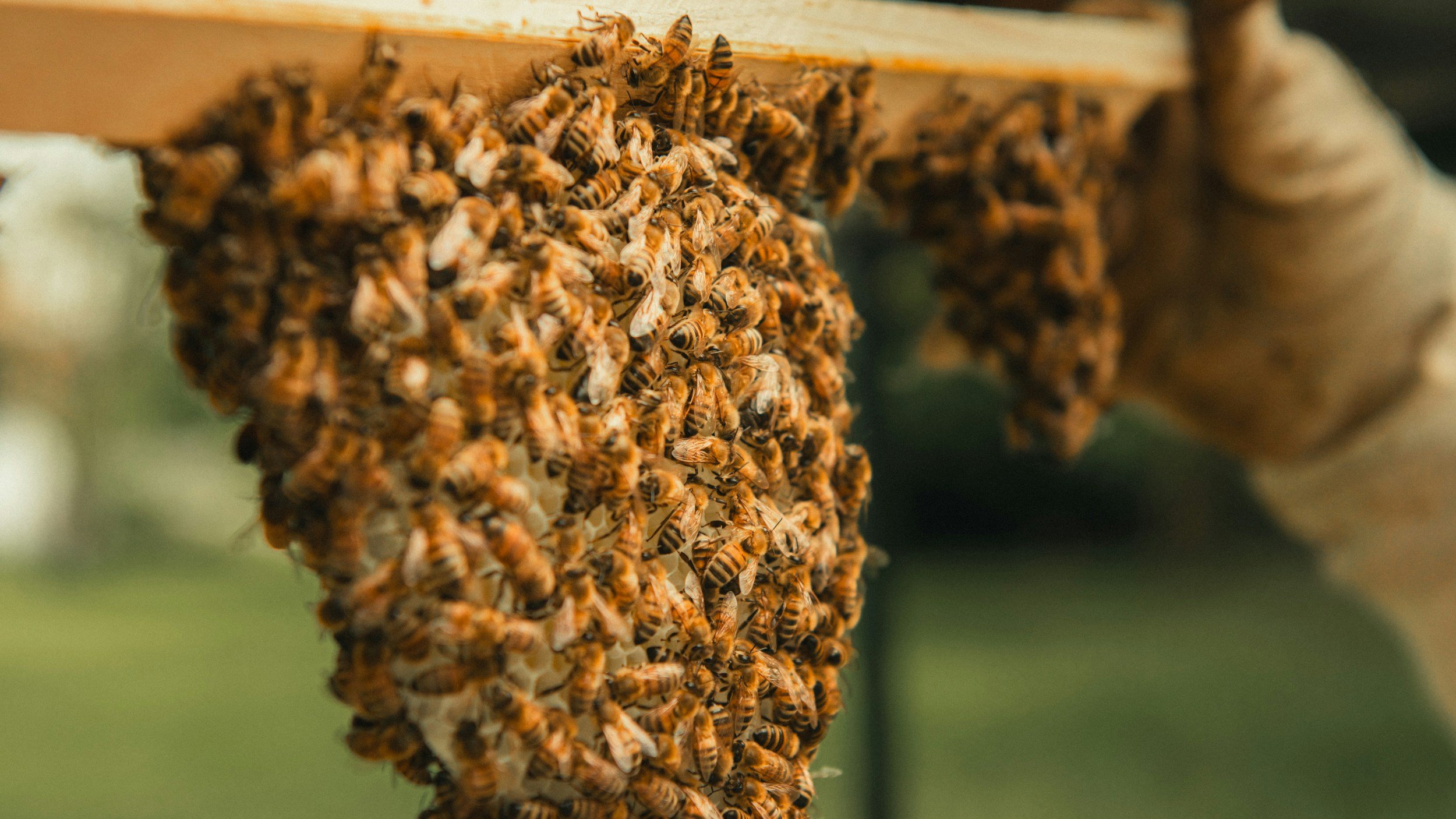
Bees are among the world's most important pollinators, playing a vital role in the health of our ecosystems and food supply. As they collect nectar and pollen, they transfer pollen from flower to flower, helping fruits, vegetables, wildflowers, and countless other plants reproduce.
From honey bees to native bees, these hardworking pollinators support biodiversity and healthy habitats in communities across North America. At The Pollinators Network, we believe protecting bees means protecting the plants, wildlife, and food systems that sustain us all.
Butterflies
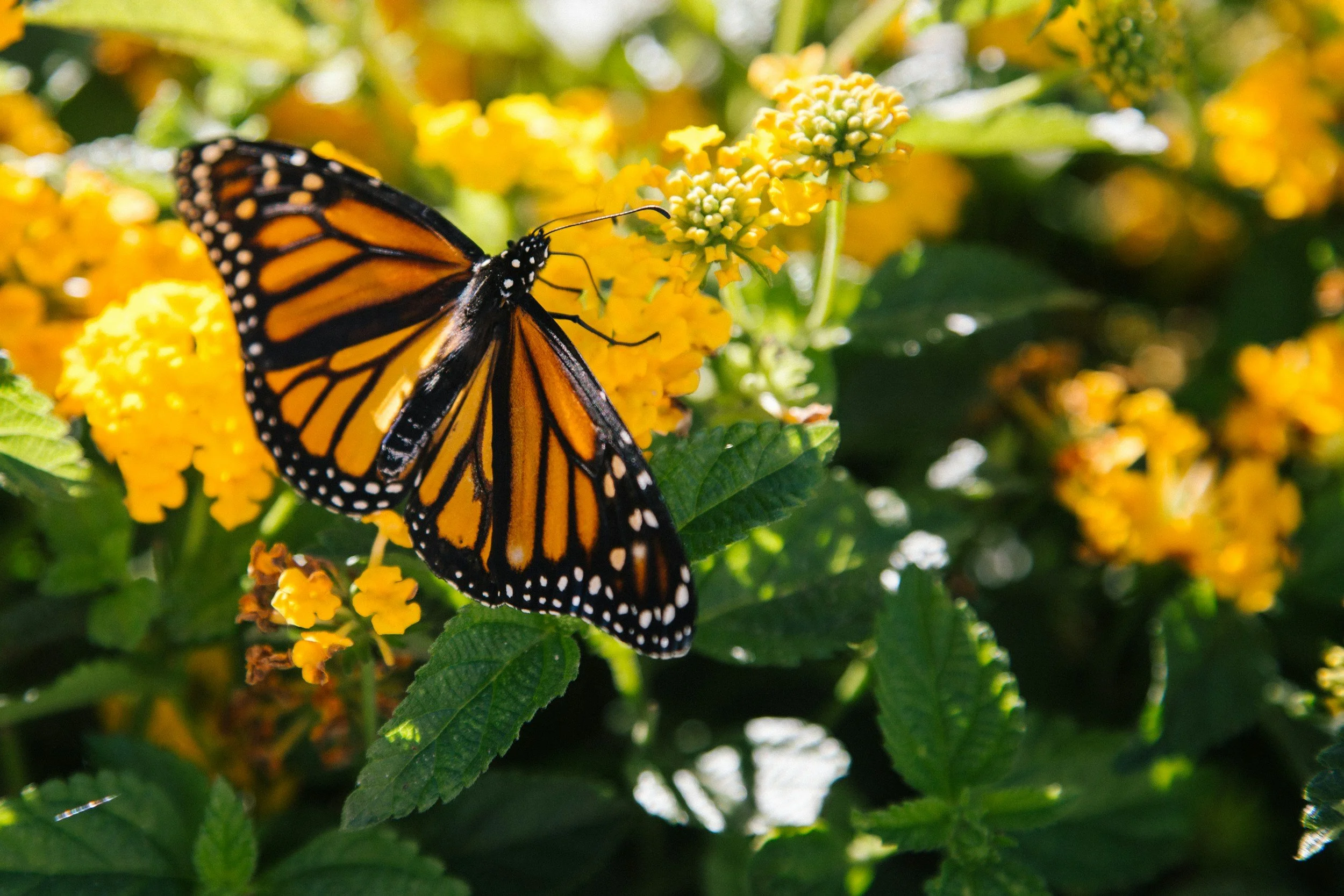
The monarch butterfly is one of North America's most recognizable pollinators and a powerful symbol of conservation. While visiting flowers for nectar, monarchs help move pollen between plants, supporting healthy ecosystems and biodiversity.
What makes monarchs truly remarkable is their annual migration. Every fall, millions travel up to 3,000 miles from the United States and Canada to overwintering sites in Mexico and along the California coast. Their journey spans multiple generations, making it one of nature's most extraordinary migrations.
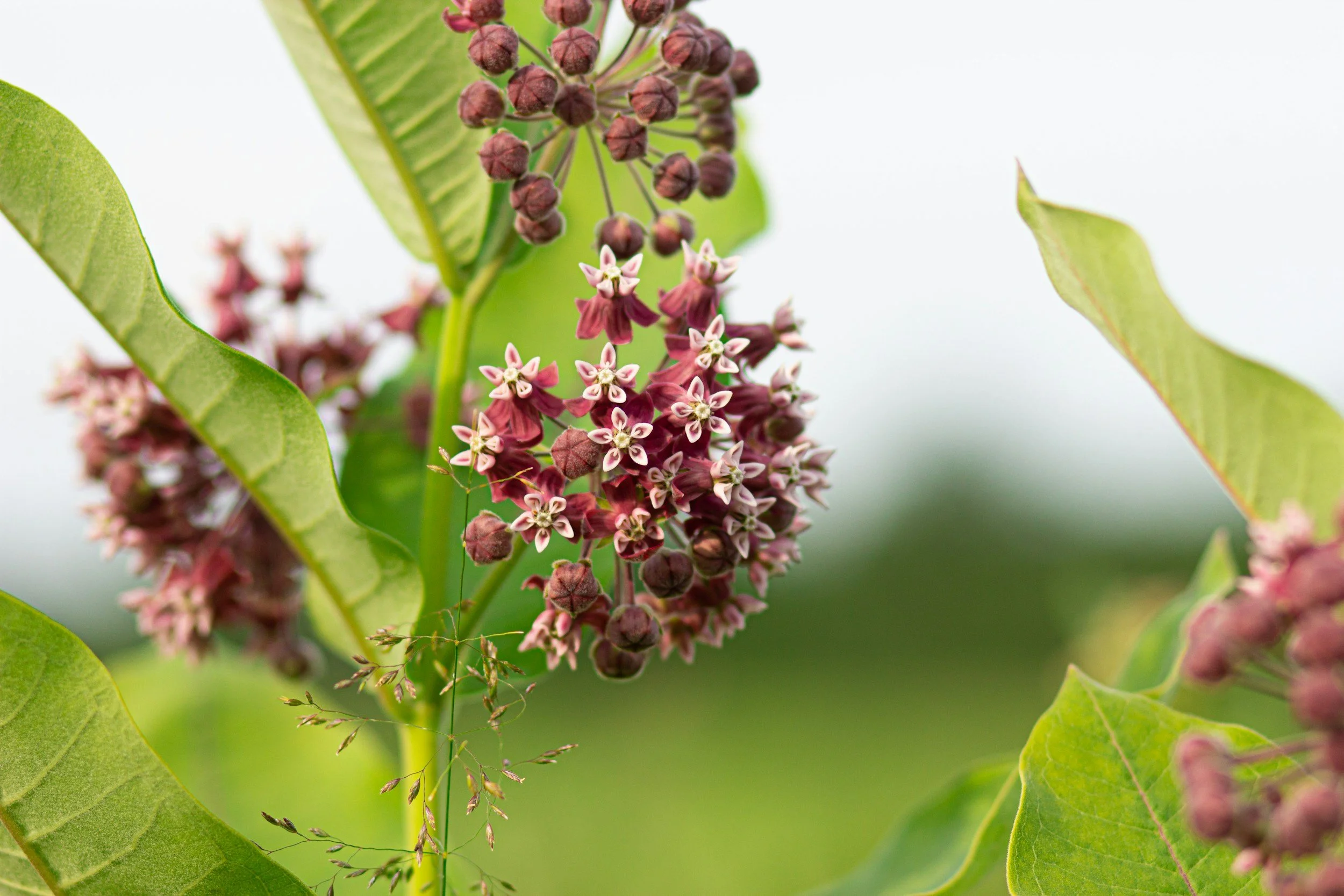
Milkweed is the foundation of the monarch's life cycle. It is the only plant where female monarchs lay their eggs, and the only food monarch caterpillars can eat. As native milkweed habitats continue to decline, planting native species has become one of the simplest and most impactful ways to support monarch populations.
At The Pollinators Network, we believe every milkweed plant tells a bigger story. It's a story of migration, resilience, and the people working to create healthier habitats for pollinators across North America.
Bats
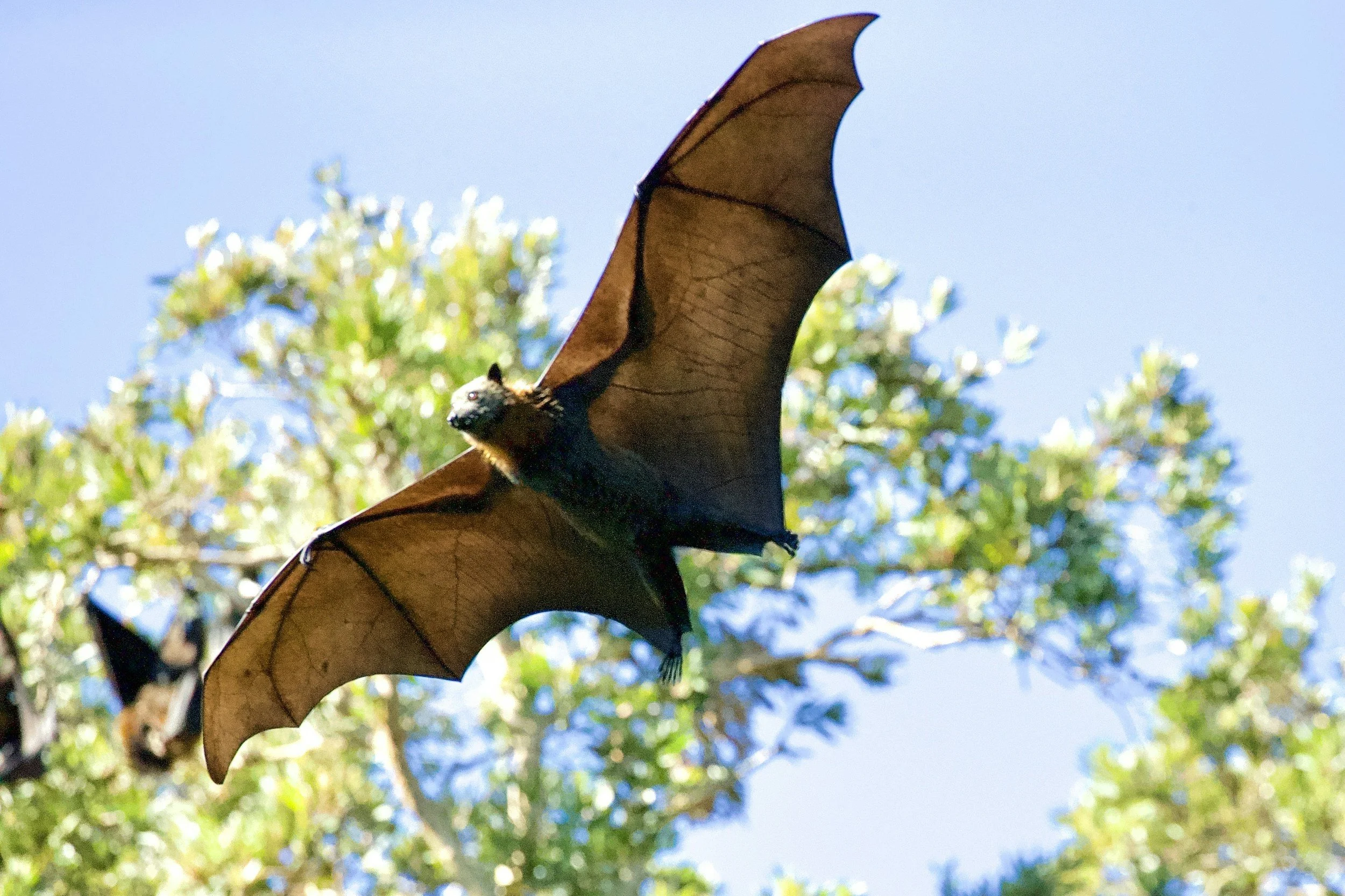
While often associated with caves and nighttime activity, bats are important pollinators in many ecosystems around the world. As they feed on nectar from flowers that bloom at night, they transfer pollen from plant to plant, helping support the reproduction of numerous species.
Many plants rely on bats for pollination, including agave, which is used to produce tequila, along with various fruits and flowering plants found in tropical and desert regions.
Like many pollinators, bats face challenges from habitat loss, disease, and environmental changes. Protecting bat populations helps support biodiversity and healthy ecosystems.
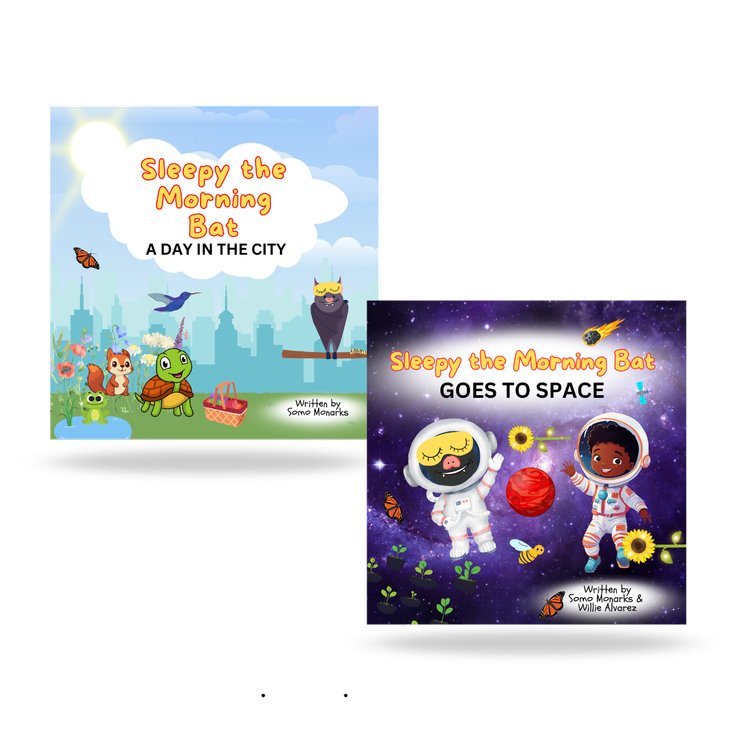
Explore the adventures of Sleepy the Morning Bat, a curious pollinator who travels by day. Join Sleepy as he discovers nature, friendship, and the important role pollinators play in our world.
Moths
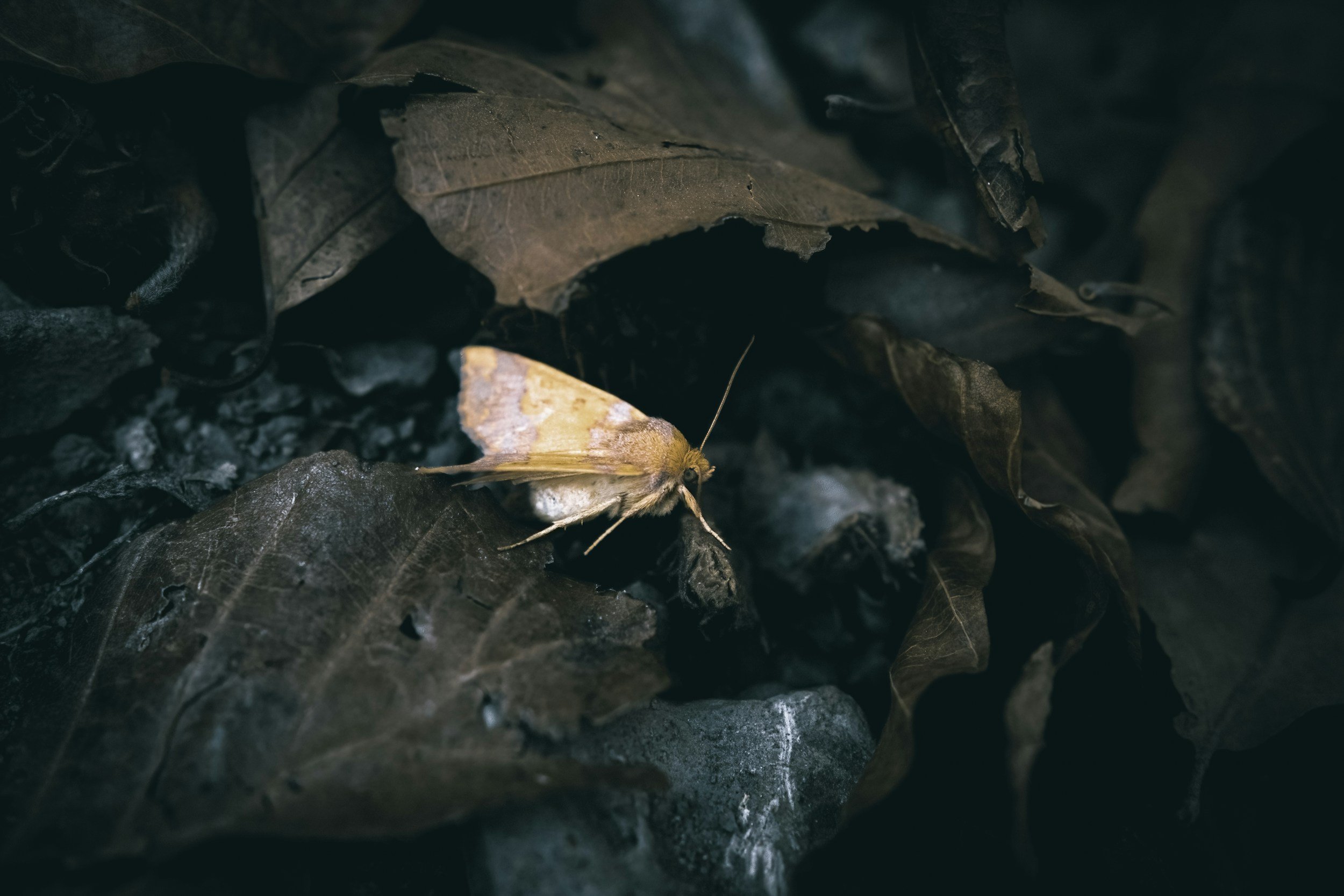
Often overlooked because they are active after sunset, moths are among nature's most important nighttime pollinators. As they move from flower to flower in search of nectar, they help pollinate a wide variety of native plants, supporting healthy ecosystems long after daylight fades. And yes, they're also the pollinators that occasionally find their way into our homes, often drawn to lights at night.
Many flowers have evolved to bloom after dark specifically to attract moths, making these quiet pollinators essential to the survival of countless plant species. At The Pollinators Network, we believe every pollinator has a story, and moths remind us that some of nature's most important work happens while the rest of the world is asleep.
Hummingbirds
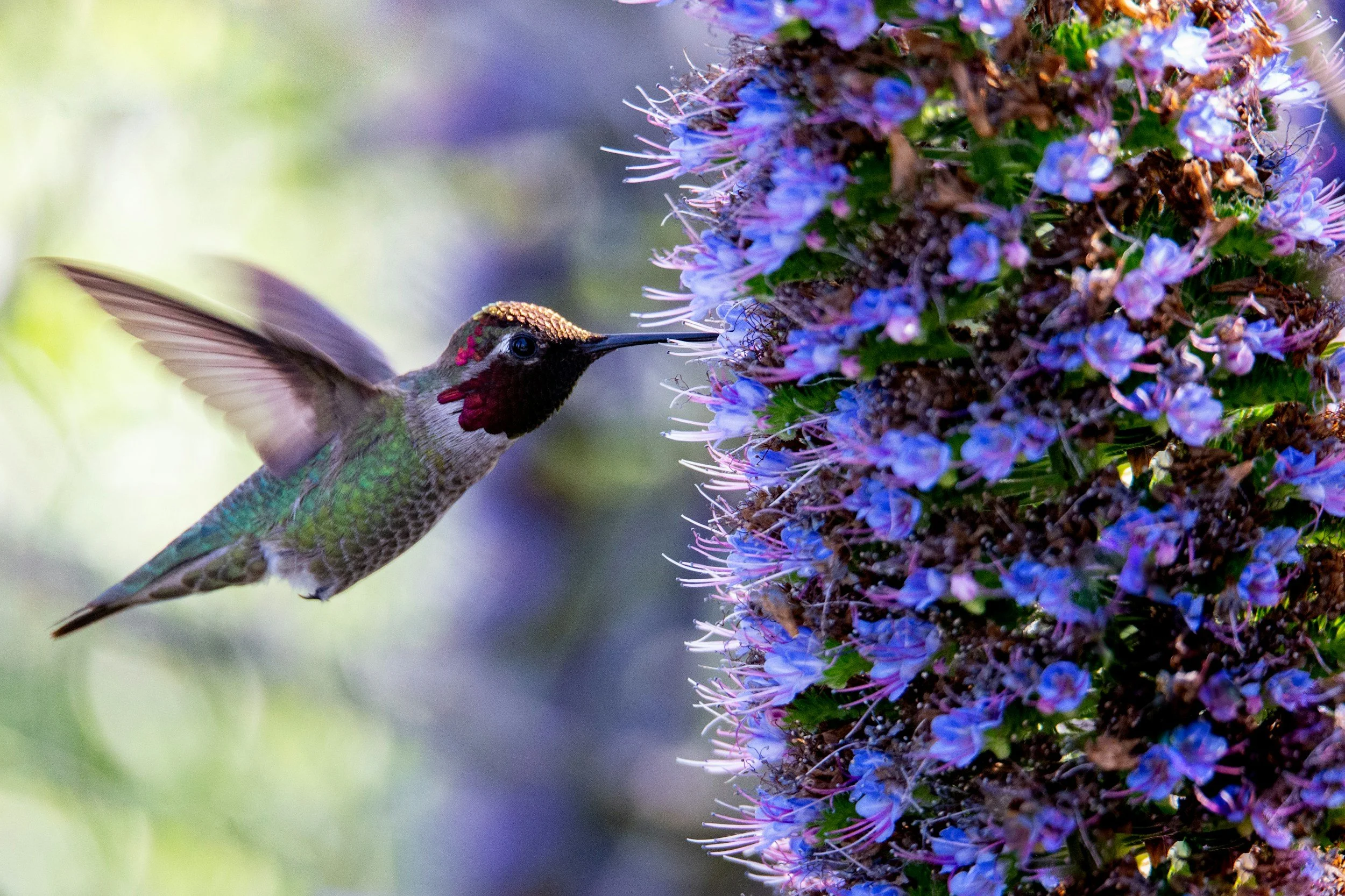
Hummingbirds are among nature's most remarkable pollinators. As they hover from flower to flower in search of nectar, pollen collects on their heads and beaks, allowing them to pollinate countless flowering plants while supporting healthy ecosystems. Their ability to travel long distances also helps connect habitats and plant populations across entire regions.
Many flowering plants have evolved specifically to attract hummingbirds with bright tubular blooms rich in nectar, creating one of nature's most fascinating partnerships. At The Pollinators Network, we celebrate these incredible birds for the vital role they play in pollination and for the wonder they bring to gardens across North America.
While often associated with caves and nighttime activity, bats are important pollinators in many ecosystems around the world. As they feed on nectar from flowers that bloom at night, they transfer pollen from plant to plant, helping support the reproduction of numerous species.
Many plants rely on bats for pollination, including agave, which is used to produce tequila, along with various fruits and flowering plants found in tropical and desert regions.
Like many pollinators, bats face challenges from habitat loss, disease, and environmental changes. Protecting bat populations helps support biodiversity and healthy ecosystems.
Other Pollinators
Beetles, flies, wasps, and many other species also contribute to pollination. Together with bees, butterflies, moths, hummingbirds, and bats, they form a diverse network that supports life across the planet.
Pollination and Our Food Systems
Pollinators are responsible for helping many of the foods we eat grow and reproduce.
Apples.
Blueberries.
Pumpkins.
Squash.
Almonds.
Strawberries.
Tomatoes.
And countless other crops benefit from pollination.
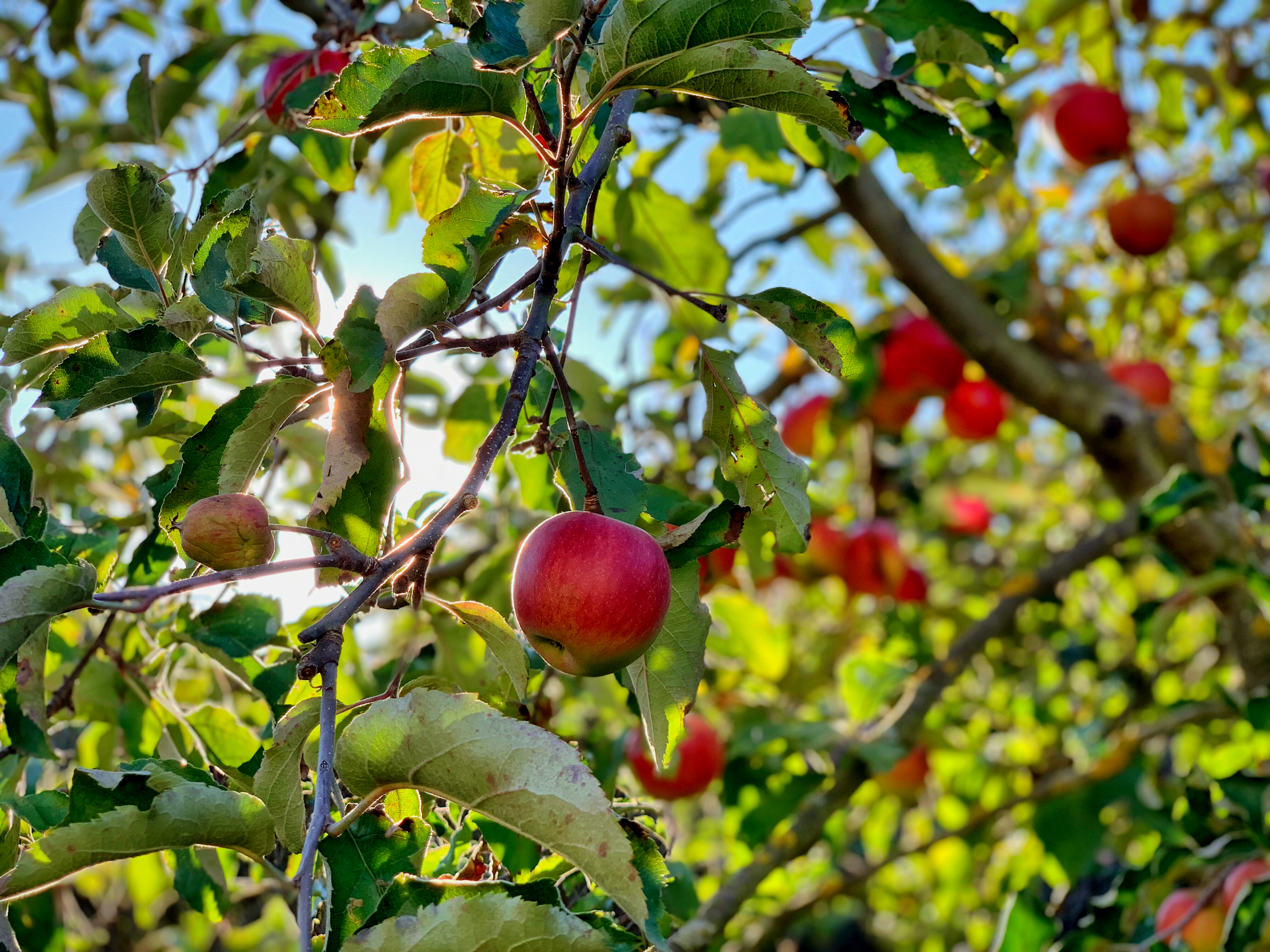
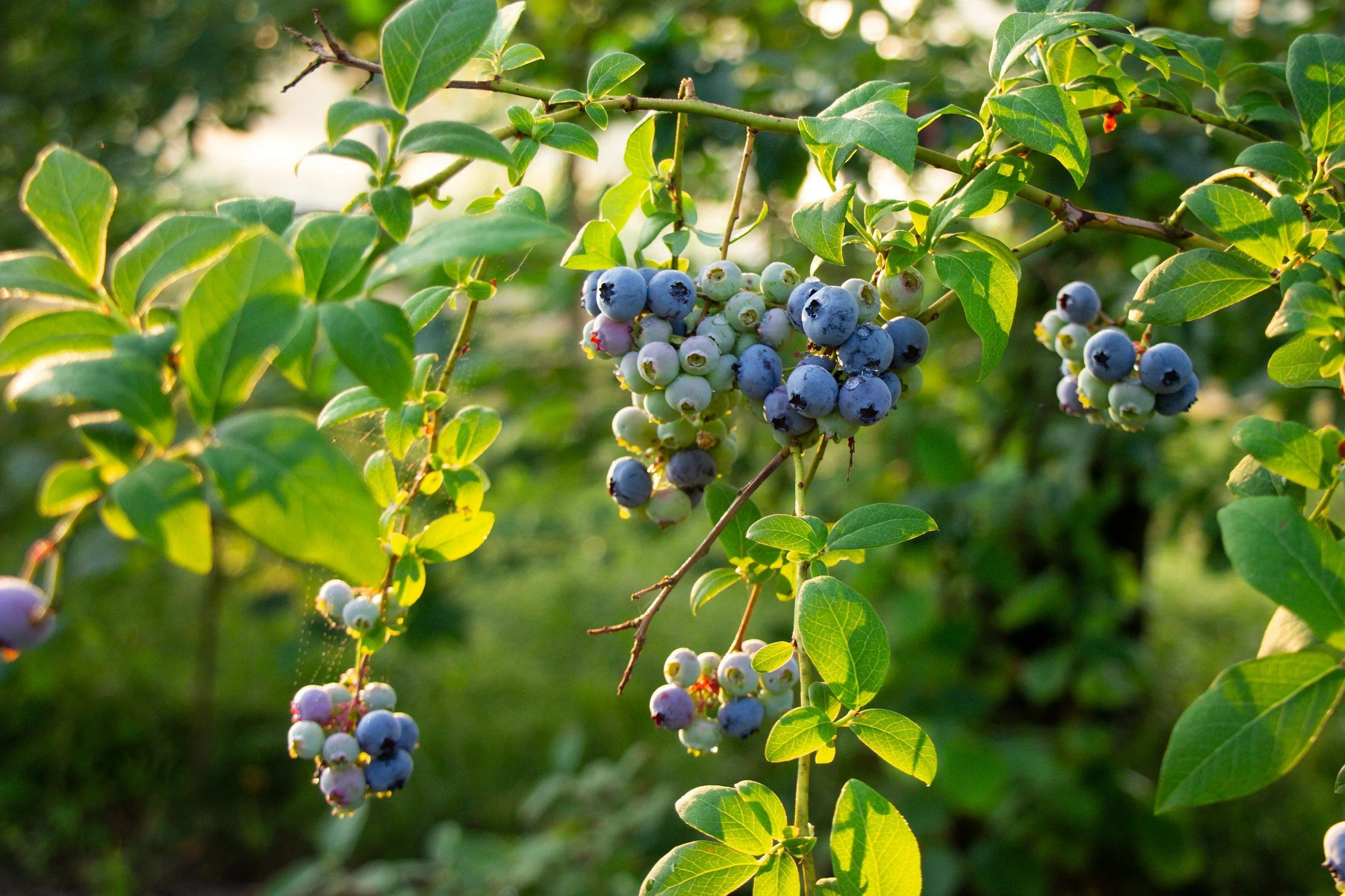
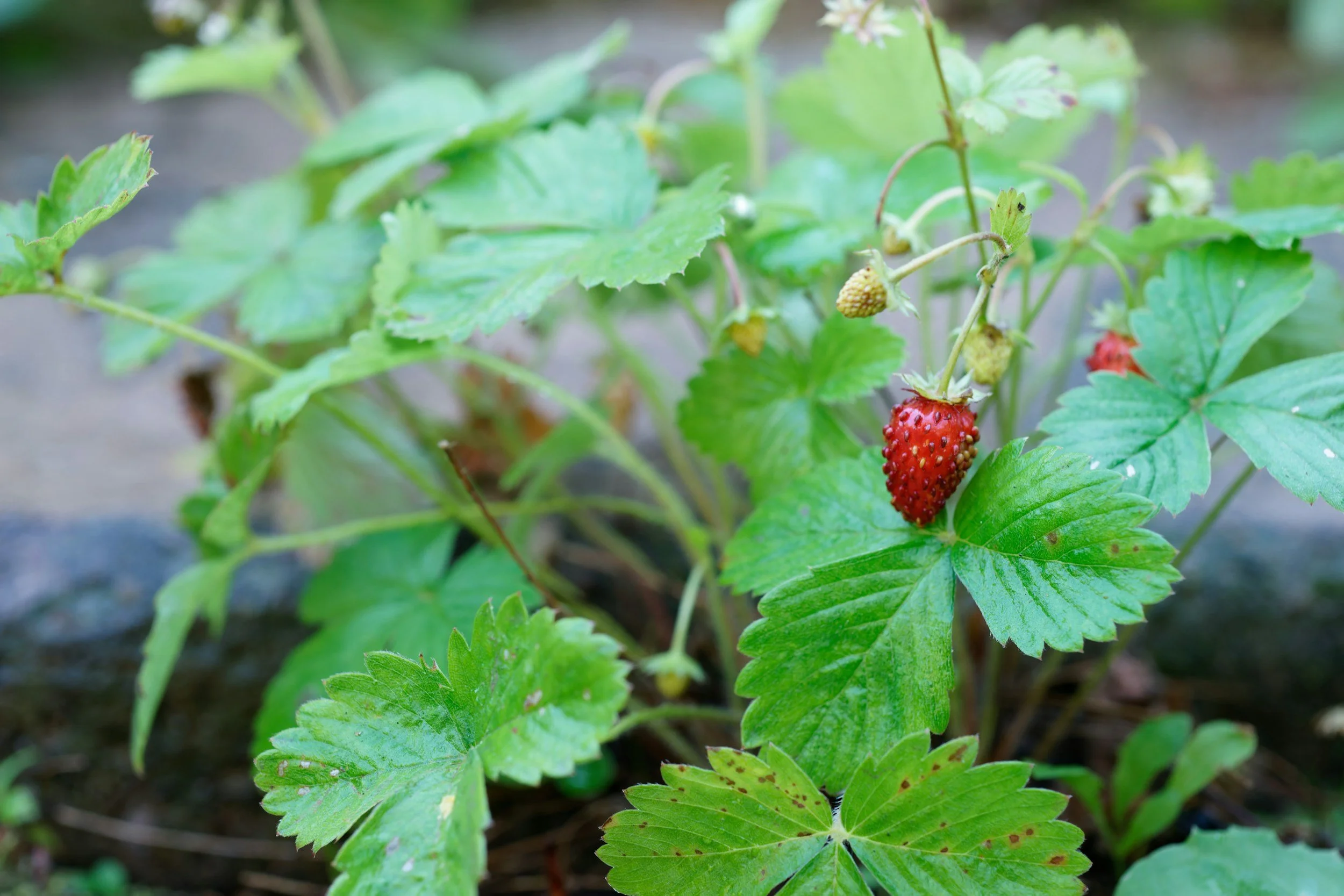
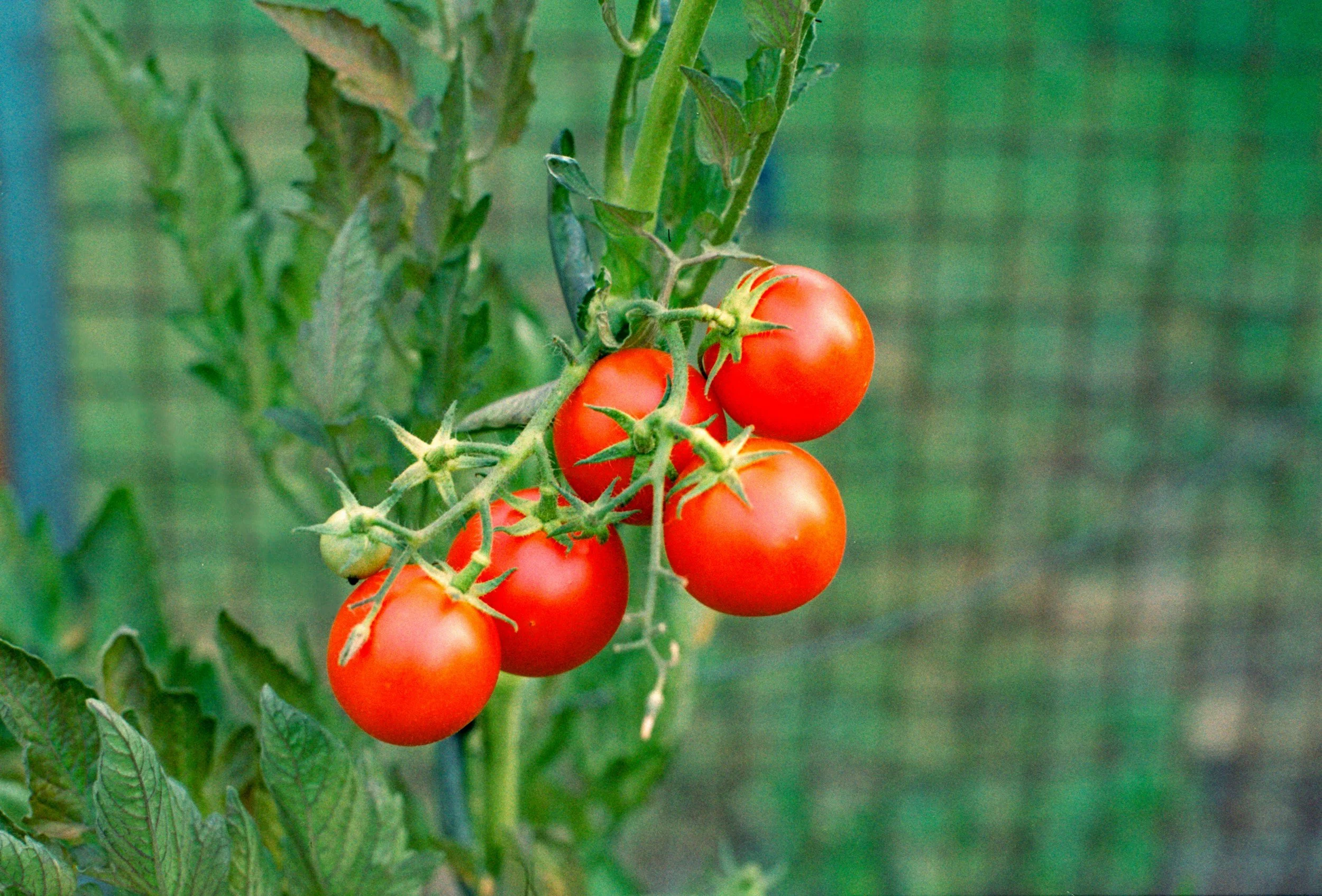
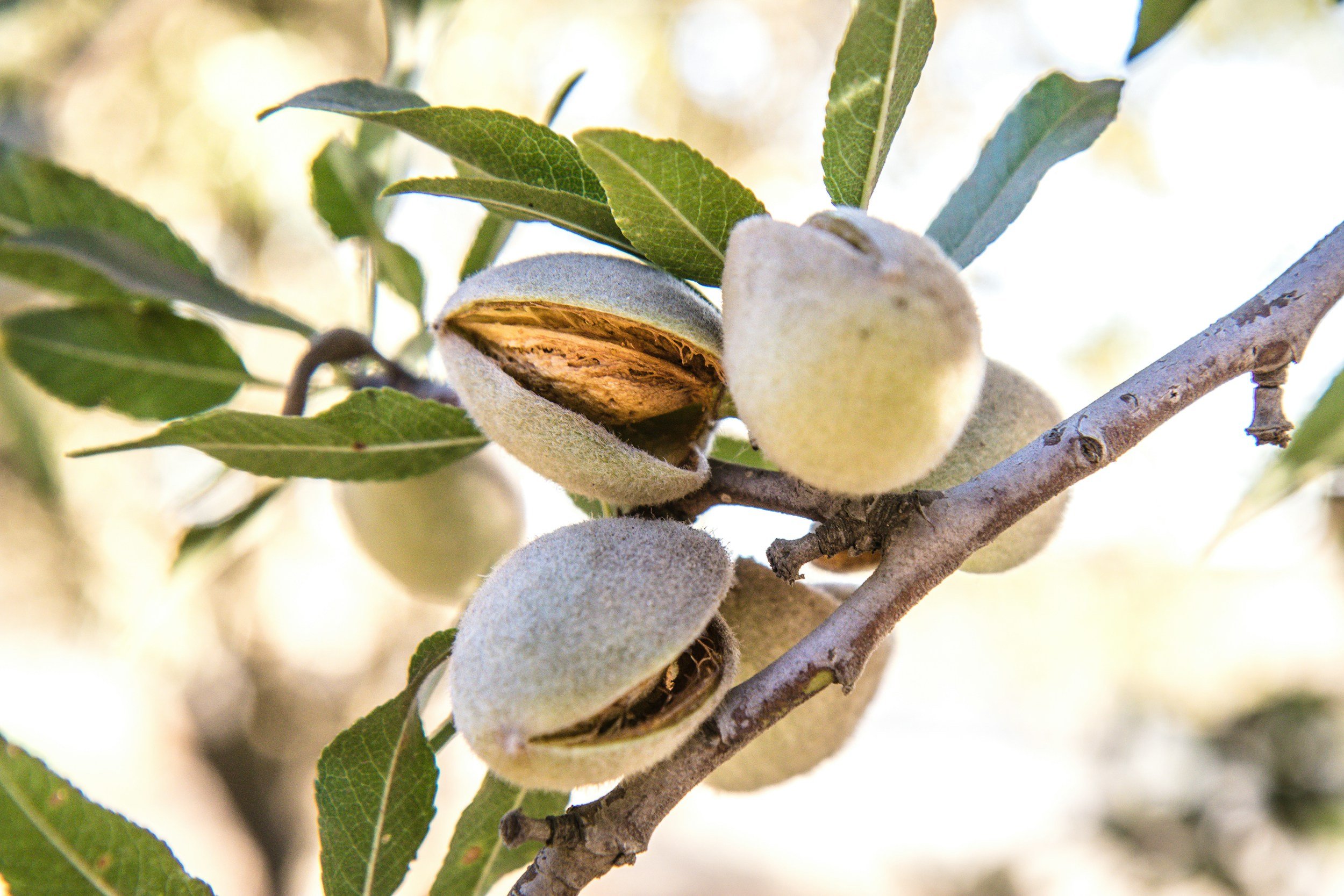
When pollinator populations are healthy, food systems become stronger and more resilient. Farmers, gardeners, and communities all benefit from the work pollinators perform every day.
The relationship between pollinators and food is one of nature's most important partnerships.
Pollinators and Biodiversity
Pollinators do far more than support agriculture. They help sustain entire ecosystems.
When pollinators move through forests, meadows, wetlands, farms, and gardens, they support plant reproduction. Those plants then provide food and habitat for birds, mammals, insects, and other wildlife.
Healthy pollinator populations contribute to biodiversity, ecological balance, and thriving landscapes. In many ways, pollinators are indicators of environmental health. When pollinators flourish, ecosystems are often healthier and more resilient.
Challenges Pollinators Face
Despite their importance, pollinators face increasing challenges.
Habitat loss continues to reduce the availability of food sources and nesting areas.
Urban development can fragment ecosystems that pollinators rely upon.
Climate change is altering flowering seasons and migration patterns.
Pesticide exposure can negatively affect pollinator health and survival.
Invasive species and disease also place pressure on many pollinator populations.
These challenges make conservation, education, and habitat restoration more important than ever.
What Can We Do to Help?
Protecting pollinators does not require a large farm or expansive garden.
Small actions can create meaningful impact.
Plant native flowers that provide nectar and pollen throughout the growing season.
Reduce or eliminate the use of harmful pesticides whenever possible.
Support local gardens, farms, and conservation efforts.
Create pollinator-friendly spaces in yards, schools, balconies, and community gardens.
Learn about native pollinators and share that knowledge with others.
Most importantly, become a steward of the natural world in your own community.
Every flower planted and every habitat protected contributes to a healthier future.
Check out Ohio gardener Alex as he transforms a section of his garden into a thriving pollinator habitat by planting native seeds. Check out his garden now in Summer 2026
Pollinators may be small, but their impact is enormous.
They connect ecosystems, support food production, strengthen biodiversity, and remind us that even the smallest creatures can play an essential role in sustaining life.
Their future is connected to ours.
By learning about pollinators, protecting habitats, and supporting the people working on their behalf, we can help ensure that future generations inherit a world where pollinators continue to thrive.
Stories that help pollinators thrive.
Enjoyed this story? Share it with your community.
🔗 Share on Facebook
🔗 Share on LinkedIn
🔗 Share via Email
Why TPN Exists
The Pollinators Network was created to tell the stories of the people, projects, and organizations helping pollinators thrive.
We believe storytelling can inspire action.
Through videos, interviews, educational resources, and community-driven content, we aim to connect people with the pollinators and habitats that make life possible.
The more we understand pollinators, the better equipped we are to protect them.
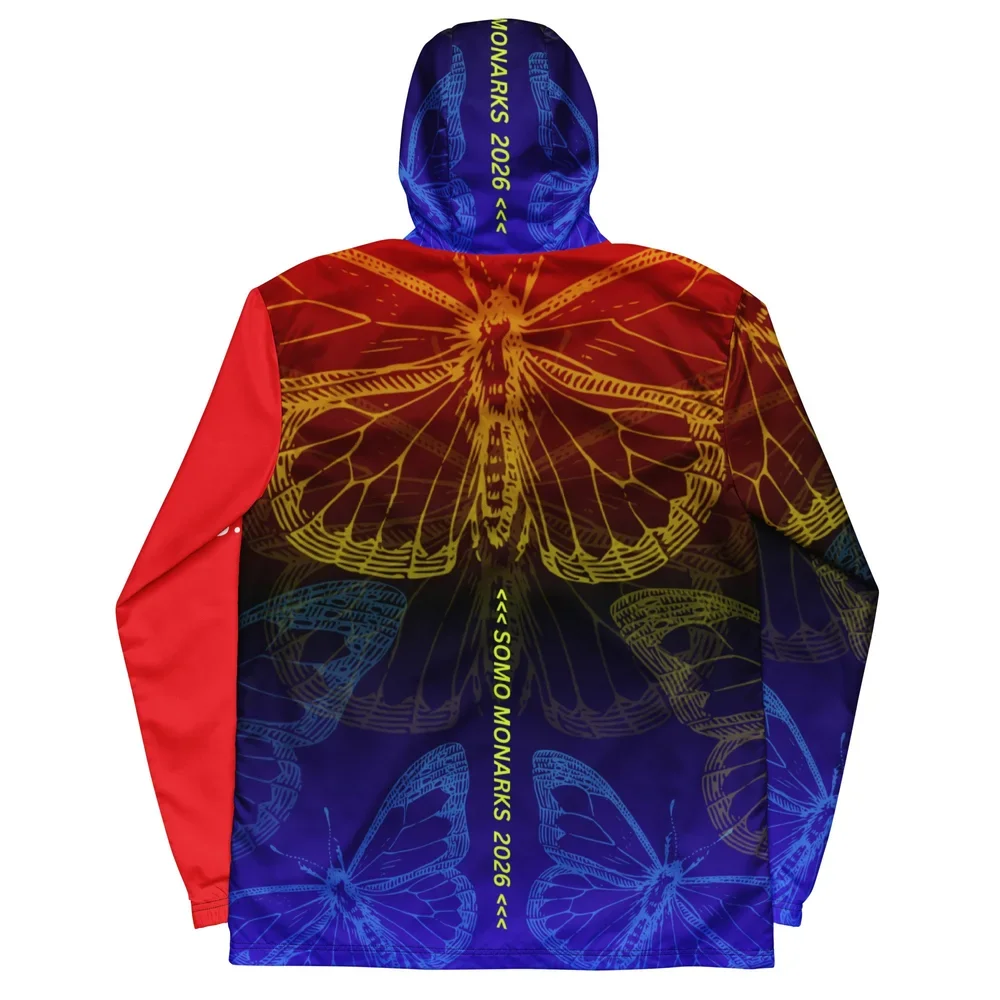
Somo Monarks Windbreaker - 250th Anniversary Edition